The Study Session
The biodiversity space is currently feeling overwhelming. The Commission is pushing its simplification agenda, critical decisions are being made at the ongoing Convention of Biological Diversity’s Conference of the Parties (CBD COP 17), and the recent State of Biodiversity Action report has suggested its targets will not be achieved by 2030. However, Youth and Environment Europe’s (YEE) recent study session on the Bern Convention, held at the Council of Europe Youth Centre in Strasbourg in September 2026, was a welcome contrast.
YEE, European Young Rewilders (EYR), and Europarc Youth Council worked together with the Council of Europe (CoE) to develop a session which raised awareness of the Convention, built capacity among participants to engage in environmental governance and decision-making, and encouraged youth-led action. The week felt positive and proactive, and reminded everyone involved of our collective ability to face these challenges.
Why is it Important?
YEE is currently the only youth observer to the Bern Convention’s Standing Committee, but youth engagement with this treaty can go much further. One of the tipping points for the creation of this study session was the down-listing of the wolf from Appendix II to Appendix III of the Convention in 2024. The decision, strongly opposed and campaigned against by YEE, EYR and the Global Youth Biodiversity Network (GYBN), only highlighted the increasing importance of empowering young people to engage more confidently in environmental governance and ensure their voices are heard. Youth participation is essential to ensure that intergenerational justice is not compromised – especially now, as leaders take some of the most consequential decisions for nature to date.
What was Covered?
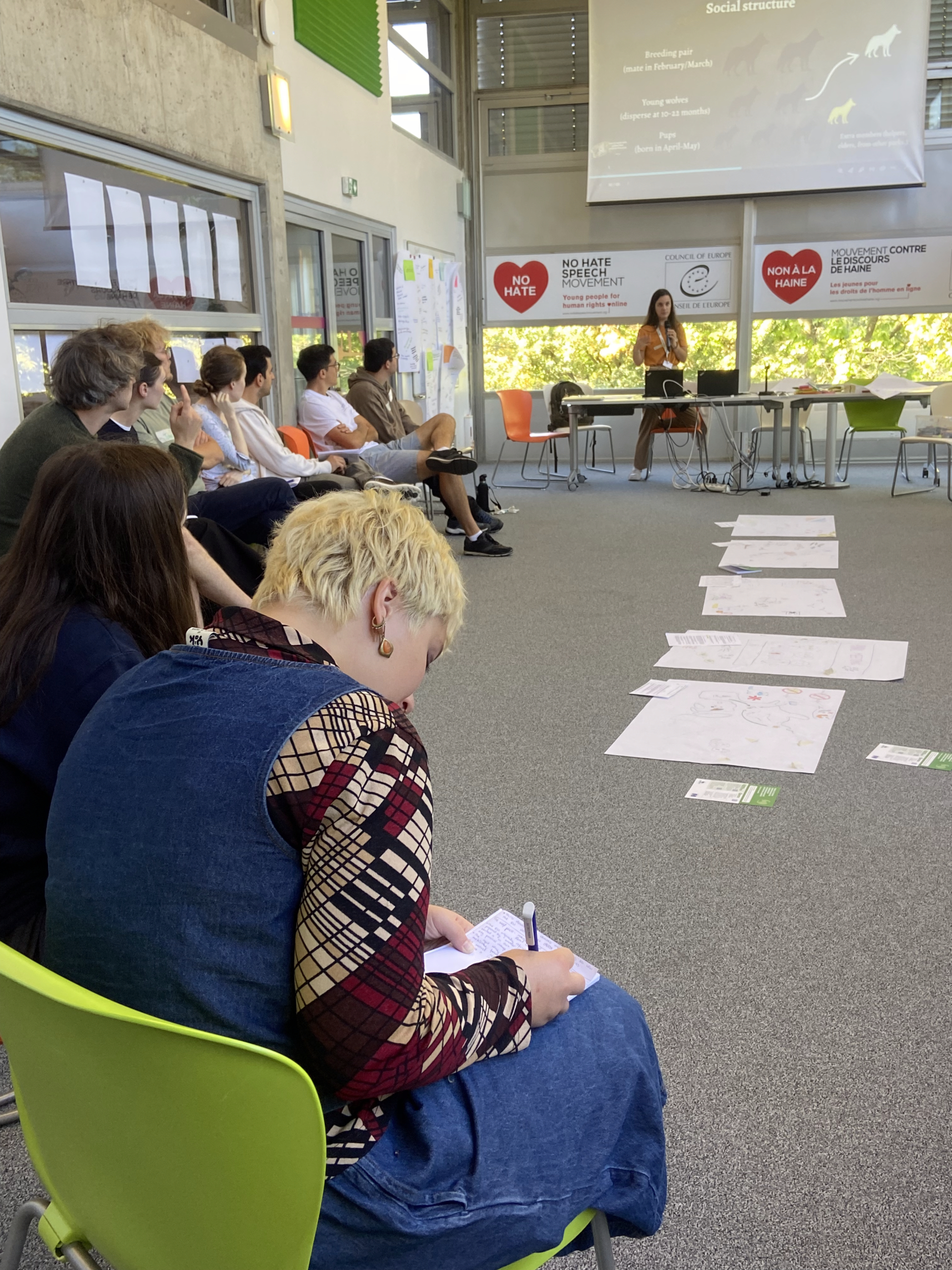
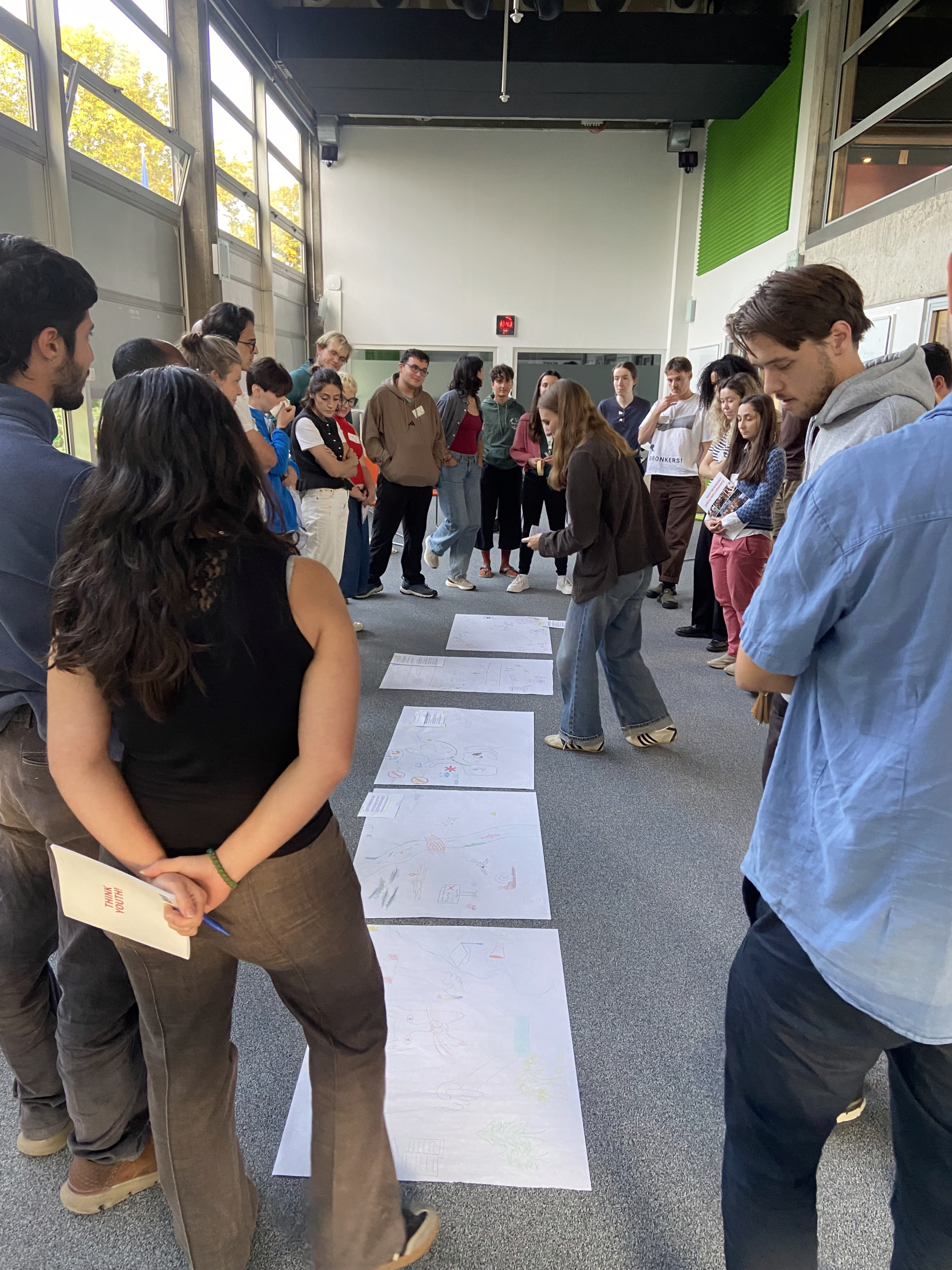
The session started off with discussions exploring the environmental and youth participation challenges that the participants – coming from over 17 countries around Europe – had experienced. Understanding the perspectives of others in the room was a valuable starting point, and the group embraced the variety of approaches to the activities and problems presented during the week.
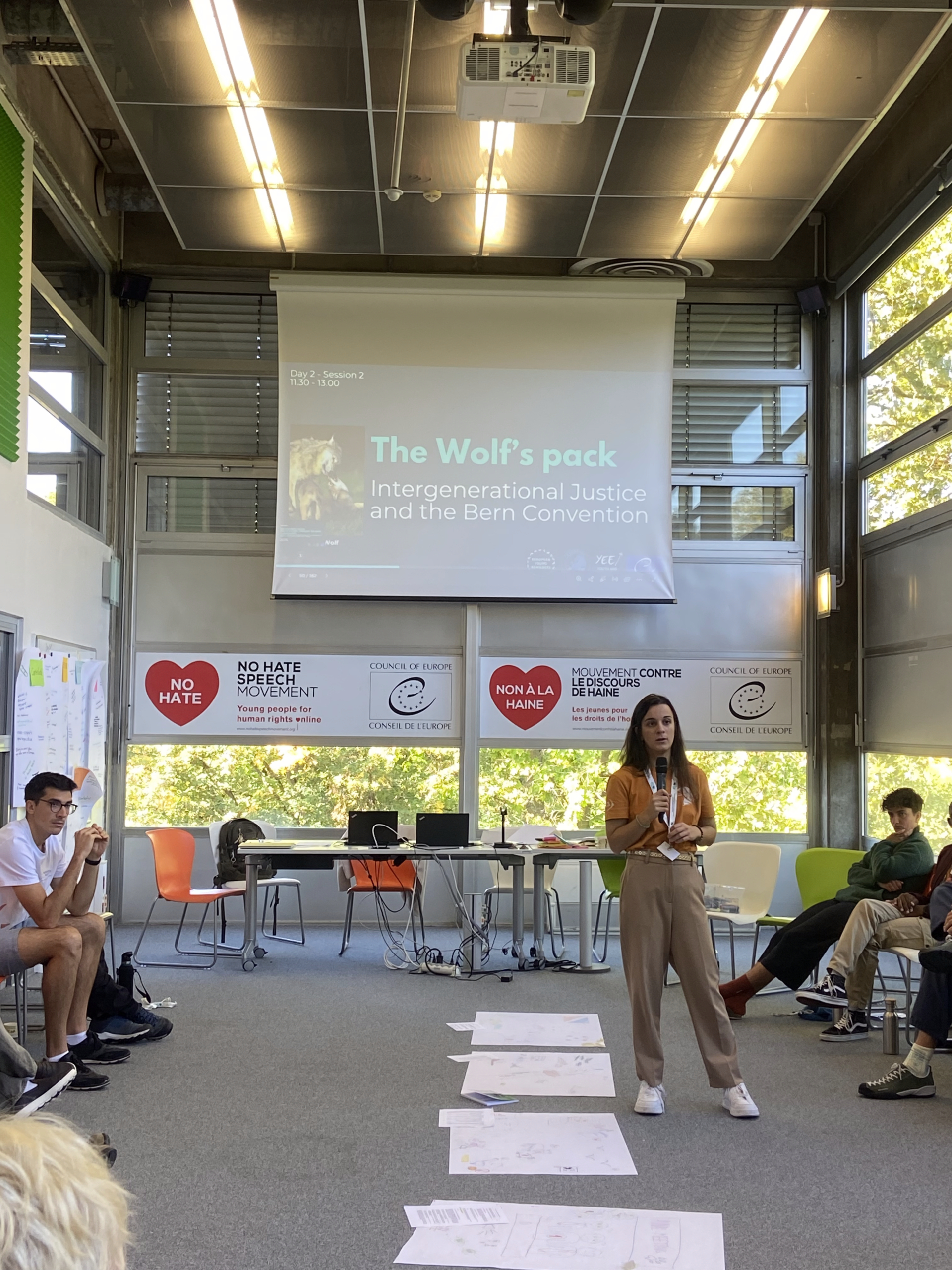
A central part of the session was understanding how youth can engage with the Bern Convention. The participants spent time reviewing the text itself, and were even given a presentation on how the Convention works in practice from Marta Medlinska, the Programme Manager for the Secretariat of the Bern Convention.
Other activities explored everything from shifting baseline syndrome to conflicting attitudes towards nature. The rights of young people regarding nature were another key focus of the session, and underpinned several exercises. Participants built their understanding of how these rights can be exercised through participation – for example, through a mock session of the Bern Convention Standing Committee based on the 2016 Vjosa case. In this dispute, EcoAlbania submitted a complaint concerning the construction of hydropower plants on the Vjosa River, as well as an airport within the boundaries of the Vjosë-Nartë Protected Area. Small groups were given different roles (including YEE’s own observer position) and were tasked with presenting their case to the room.
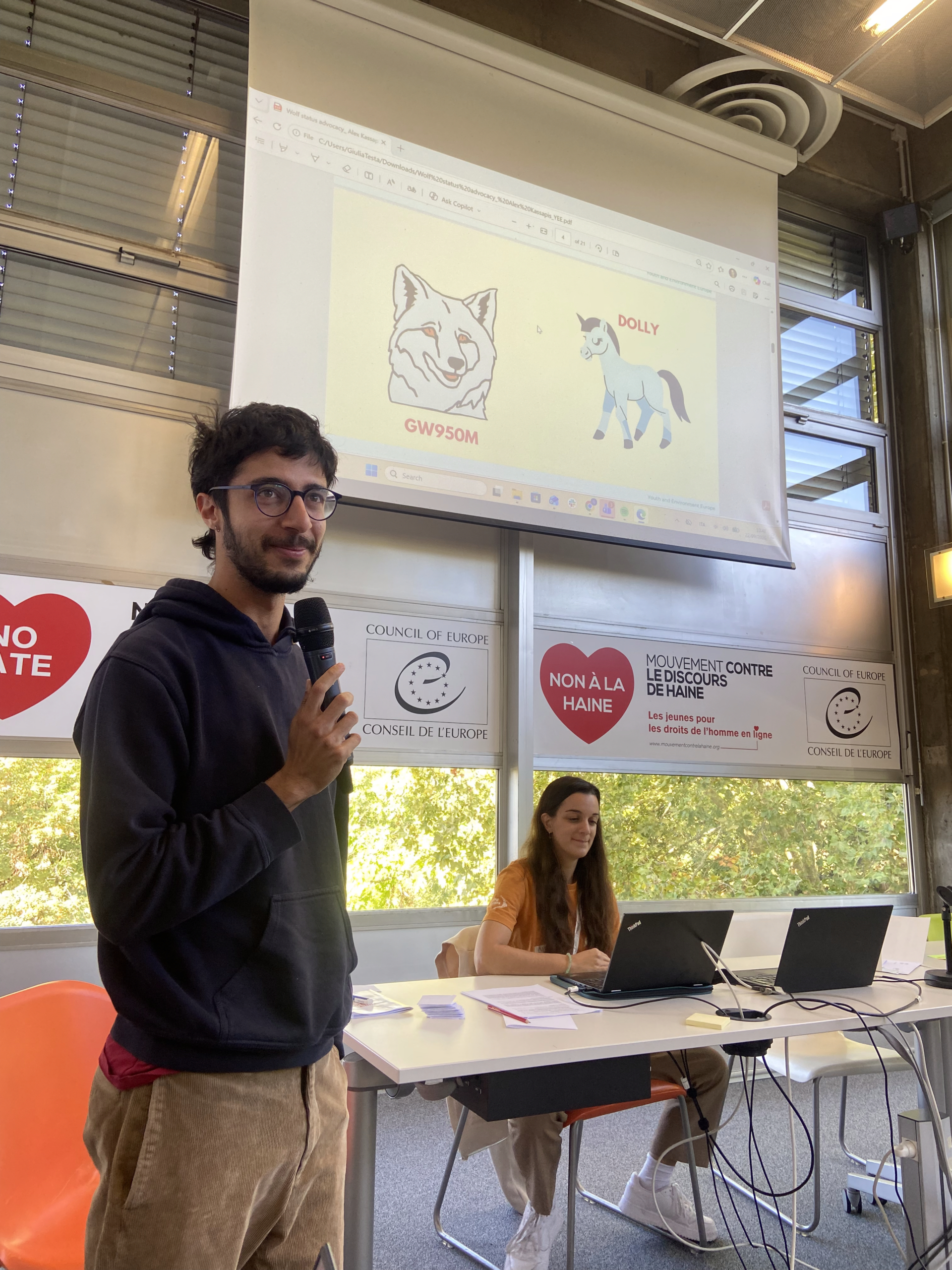
The group also heard from Ashton Melfor, one of YEE representatives, about his experience as an observer at the Annual Standing Committee in 2025, and from Emilie Tamo, a member of the Youth Advisory Council to the Council of Europe. This fed into discussions on tokenistic versus meaningful youth inclusion, and how young people can ensure that their involvement is respected and acted upon.
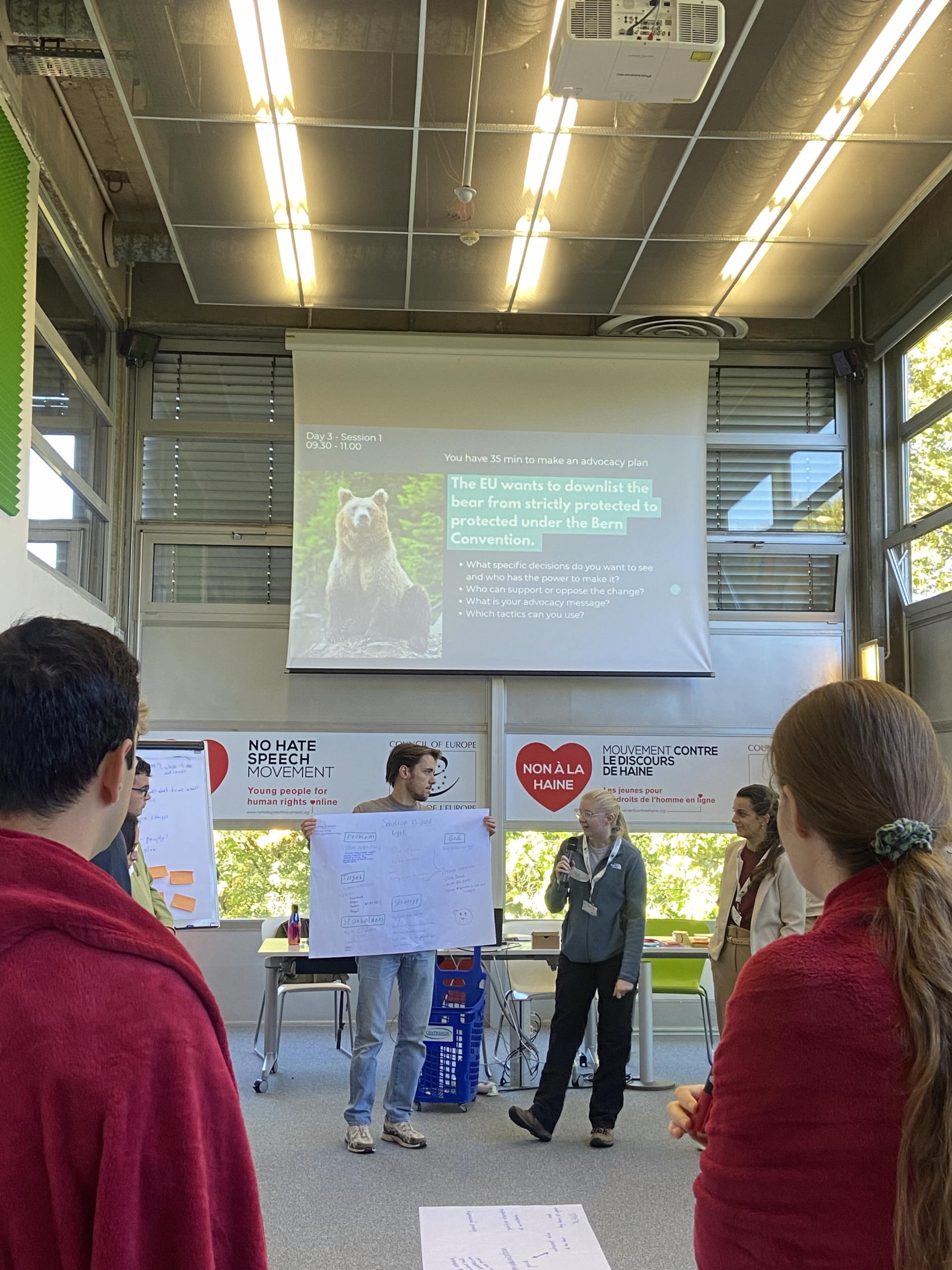
The participants were also given the opportunity to develop advocacy skills and share strategies to engage others. They were tasked with creating advocacy plans for a hypothetical down-listing of the bear, allowing them to build on what they had learnt about the Bern Convention, YEE’s advocacy efforts on the downlisting of the wolf campaign, and their own position as rights-holders and directors of change.
To ensure that the week’s work did not end in the room, the group collated all their shared knowledge and efforts to create a zine – a collective guide to the Bern Convention for other young people. They were also guided through developing their own personal action plans, and had the opportunity to explore ways of connecting their own ideas with the work of others.
Who Participated?
Participants came from over 17 countries from around Europe, all with different experiences and motivations for joining the session. Although the mix of backgrounds in science, policy, law and advocacy meant there was plenty of scope for discussion and comparison, everyone was inspired to find how much their ambitions and priorities overlapped. The group went away with widened perspectives and new connections, but also a renewed realisation of the commitment and support there is to find among people working to protect the planet.
What Happens Next?
With new knowledge of their rights as young people and understanding of the Bern Convention and how to use it, the participants will be able to engage more effectively in conservation efforts and influence decision‑making processes around Europe. The importance of study sessions like this one can be seen in the effect the week had on the participants. The relationships built within the group, their drive to create change in their own communities and countries, and their collectively positive attitude towards difficult problems all show the potential young people have to address these challenges. Building the capacity of young people to participate in governance and decision-making is essential. Youth need a seat at the table when decisions are made, but also the confidence, knowledge, and support network to ensure our message is impactful and considered.
If you are part of a youth organisation focused on addressing environmental challenges, consider applying to be part of the YEE network, and get the opportunity to participate in projects such as this one! (Become a member | YEE).




 YEE aims to unite environmental youth non-profit organisations in Europe in order to enhance international cooperation, increase knowledge about the climate crisis, raise awareness of environmental problems and to strengthen participation of youth in environmental decision-making.