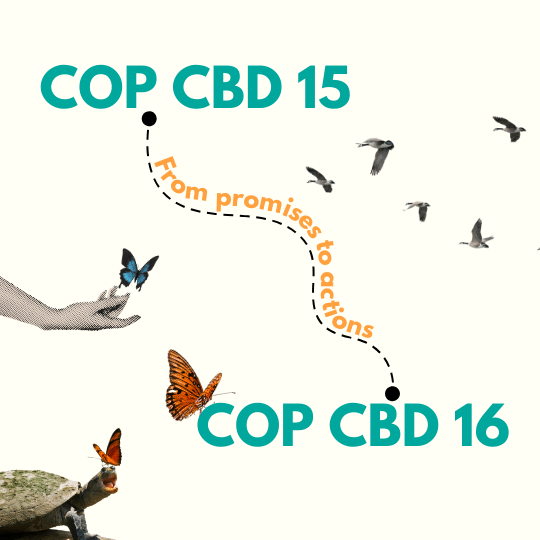
The Road from COP CBD 15 to COP CBD 16

From Commitment to Action

Written by

Contents

Visual summary

Share this article

Looking back at COP 15 

With the next conference of the parties to the convention on biological diversity (COP 16) right around the corner, let’s look back at what was achieved the last time around. The most important achievement of COP 15 was the adoption of the Kunming-Motreal Global Biodiversity Framework (GBF). After 4 years of negotiations,  a post-2020 Global Biodiversity Framework was finally adopted. This new GBF follows a  failure on behalf of the parties to achieve the targets set out in the previous decade. The new framework sets out 4 ambitious goals for halting biodiversity loss and the sustainable use of genetic resources. Transforming our relationship with nature and be nature positive by 2050. 

Key Points of the GBF:

  • Goals for 2050: The framework sets out four long-term goals to achieve a vision of living in harmony with nature by 2050.

  • Targets for 2030: There are 23 specific targets to be achieved by 2030, focusing on conservation, sustainable use, and equitable sharing of benefits from biodiversity.

  • Global Vision: The overarching vision is to ensure that by 2050, biodiversity is valued, conserved, restored, and wisely used, maintaining ecosystem services, sustaining a healthy planet, and delivering benefits essential for all people.

To achieve these goals the framework sets out 23 targets. These global targets must be achieved by 2030. By far the most significant target is the so-called 30 by 30 which aims at restoring 30% of terrestrial and aquatic ecosystems by 2030. We discuss the outcomes of COP 15 and go more in depth on some of the targets in a previous article. 

Broadly the targets can be divided into 3 key areas:

  1. Minimising risks to biodiversity.
  2. Addressing human needs through sustainable utilisation and equitable benefit-sharing.
  3. Strategies and solutions for implementation and integration.

What’s at stake COP 16

“A world living in harmony with nature by 2050”. That was the vision set forth by countries at COP 15. As the first COP being held after the adoption of the global biodiversity framework, COP 16 will serve as the first review moment for this framework. The parties to the convention are tasked with reviewing the protocol’s state of implementation, additionally, they must show that their National Biodiversity Strategies and Action Plans (NBSAPs – explained in the next section) are in alignment with the new targets and goals of the framework. 

At COP 16, the parties will also enhance the monitoring framework and improve resource mobilisation for the Global Biodiversity Framework. Among other responsibilities, COP 16 is also expected to complete and implement the multilateral mechanism for the fair and equitable sharing of benefits derived from the use of digital sequence information on genetic resources. 

What are National Biodiversity Strategies and Action Plans (NBSAPs)

National Biodiversity Strategies and Action Plans (NBSAPs) are essential tools for countries to plan how they will protect and use their biodiversity sustainably. According to Article 6 of the Convention on Biological Diversity, every country that is part of the convention must create these plans.

NBSAPs outline each country’s specific actions and strategies to meet the goals of the convention. They also show how these biodiversity plans are integrated into other national policies and sectors, ensuring a coordinated approach to biodiversity conservation.

So, NBSAPs will serve as the main tool for implementing the GBF at the national level, with parties monitoring and reviewing their progress towards achieving the GBF goals and targets through regular National Reports. These reports contribute to the Global Biodiversity Outlook, which periodically summarises the latest data on global biodiversity status and trends and analyses the global community’s efforts to conserve and sustainably use biodiversity. They are the keys to the goals to be achieved. Unlike the previous ones, goal D provides the technical and financial means necessary to achieve the other 3 goals.

Want to know what’s in your country’s NBSAPs including the European Biodiversity Strategy?

Take a look at the latest submissions.

Together, we can make a difference. Join us in sharing our vision for COP16 and ensure our voices are heard.

More articles about biodiversity

Nature Protection and Biodiversity as Enablers of Rights, Participation and Well-Being Written by Olivia Robertson Volunteer at YEE – Biodiversity Contents Share
Read More

The conclusion of the 16th meeting of the Conference of Parties to the Convention on Biological Diversity (CBD COP16) marks a pivotal
Read More

Despite the law’s importance in combating deforestation, the European Union recently announced a 12-month delay.

Read More

While nighttime activities are popular with humans for a few nights a year, some creatures keep it creepy all year round.
Read More

With the next conference of the parties to the convention on biological diversity (COP 16) right around the corner, let’s look back
Read More
, ,

The Road from COP CBD 15 to COP CBD 16

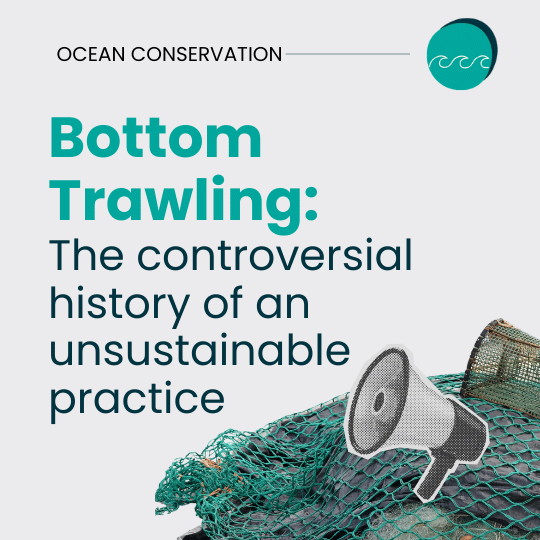
Bottom Trawling: The controversial history of an unsustainable practice

Written by

Contents

Share this article

Sources

  • Wardle, C. S. (1986). Fish behaviour and fishing gear. In The behaviour of teleost fishes (pp. 463-495). Boston, MA: Springer US.
  • Steadman, D., Thomas, J. B., Villanueva, V. R., Lewis, F., Pauly, D., Palomares, M. L., … & Collinson, T. (2021). New perspectives on an old fishing practice: Scale, context and impacts of bottom trawling. Our Shared Seas, Report, 44.
  • De Groot, S. J. (1984). The impact of bottom trawling on benthic fauna of the North Sea. Ocean management, 9(3-4), 177-190.

  • Hiddink, J. G., Kaiser, M. J., Sciberras, M., McConnaughey, R. A., Mazor, T., Hilborn, R., … & Jennings, S. (2020). Selection of indicators for assessing and managing the impacts of bottom trawling on seabed habitats. Journal of Applied Ecology, 57(7), 1199-1209.

  • Parker, R. W., Blanchard, J. L., Gardner, C., Green, B. S., Hartmann, K., Tyedmers, P. H., & Watson, R. A. (2018). Fuel use and greenhouse gas emissions of world fisheries. Nature Climate Change, 8(4), 333-337.

  • Paradis, S., Goñi, M., Masqué, P., Durán, R., Arjona‐Camas, M., Palanques, A., & Puig, P. (2021). Persistence of biogeochemical alterations of deep‐sea sediments by bottom trawling. Geophysical Research Letters, 48(2), e2020GL091279.

  • Clark, M., & Tilman, D. (2017). Comparative analysis of environmental impacts of agricultural production systems, agricultural input efficiency, and food choice. Environmental Research Letters, 12(6), 064016.

  • European Parliament and the Council of the European Union. (2008). Directive 2008/56/EC of the European Parliament and of the Council of 17 June 2008 Establishing a Framework for Community Action in the Field of Marine Environmental Policy (Marine Strategy Framework Directive). Official Journal of the European Union, L 164, 19-40.

  • Scholaert, F. (2023). Action plan to protect marine ecosystems for sustainable fisheries. European Parliamentary Research Service.

What is Bottom Trawling?

Fisheries are an essential resource, supporting human well-being and sustaining the livelihoods of billions of people worldwide, especially in coastal communities. As a major economic sector, fisheries have profound socio-political and environmental impacts. Various fishing techniques are employed globally, each selected based on factors such as the target species, fish behaviour, location, and timing. Bottom trawling is a widespread fishing practice which accounts for approximately 26 per cent of the total fish catch within the Exclusive Economic Zones (EEZ) and on the high seas. 

 An exclusive economic zone, as prescribed by the 1982 United Nations Convention on the Law of the Sea, is an area of the sea in which a sovereign state has exclusive rights regarding the exploration and use of marine resources, including fishing.

This practice is especially prevalent in Europe, North America, and East Asia, where it is used to harvest a variety of marine species, including cod, shrimp and squid. Bottom trawling involves dragging a weighted net or a rigid frame along the ocean floor, a method that is often confused but is distinct from pelagic trawling, which targets fish in the water column. 

Environmental impacts

Originating in the United Kingdom during the 1300s, bottom trawling underwent significant industrialization in the 20th century due to advancements in technology. Over time, various trawling gear, including beam trawls and otter trawls, have been developed to suit different environments and species, impacting the environment in diverse ways. Despite its economic advantages, bottom trawling is contentious due to its considerable environmental and ecological impacts. It is linked to several major threats to biodiversity, such as the overharvesting of target species, bycatch of non-target species, and the destruction of seabed habitats. Studies have shown that this method reduces marine species diversity and biomass, often favouring short-lived species, which disrupts the ecosystem’s food web and functioning. This disruption can lead to a decrease in prey availability for commercially important fish.

The practice of bottom trawling is also under scrutiny for its contribution to greenhouse gas emissions. Fisheries collectively use about 40 billion litres of fuel annually, generating approximately 179 million tonnes of CO2-equivalent emissions, which accounts for 4% of the global food production emissions. Among these, bottom trawling is particularly harmful, as it releases carbon dioxide stored in the seafloor into the atmosphere, contributing to global warming. Without bottom trawling, this carbon could be safely stored under the sea bed. Research from 2021 found that continuously trawled areas at depth of 500 metres has 30% less organic carbon in the sediment at similar depths where trawling was banned for just two months. This 30% reduction is significant, as it showcases how bottom trawling can drastically deplete organic carbon that would otherwise remain sequestered in marine sediments. Additionally, an older study indicated that bottom-trawl fisheries emit nearly three times more greenhouse gases compared to non-trawl fisheries, furtherly highlighting the serious impact on climate change. 

Socio-economic impacts

The socio-economic effects of bottom trawling are varied and significant, though comprehensive formal documentation is limited. A recent report from Steadman and others highlights key areas of impact, including economic consequences, social conflicts, food security, harbour conditions, and health and safety. While bottom trawling can provide affordable fish, its economic impact is felt differently across various communities. It often depletes resources that small-scale fishers depend on, impacting food security for coastal communities. For example, in Southeast Asia small-scale fisheries support millions through direct consumption and aquaculture feed, benefiting lower-income populations. Beyond these economic and social consequences, bottom trawling has also been linked to human rights abuse, particularly in regions with weaker regulatory systems. Regional variations in socio-economic impacts are also evident. For example, Scotland’s Inshore Exclusion Zone (IEZ), established in 1889 to protect small-scale fishers by banning bottom trawling within three miles of the shore, was repealed in 1984. This change allowed bottom trawling to encroach on inshore waters, leading to the collapse of local fisheries, heightened conflicts, and the loss of traditional cultural practices. 

Regulatory framework

In response to the significant environmental and socio-economic challenges posed by bottom trawling, Europe has developed a range of regulatory frameworks. The Marine Strategy Framework Directive (MSFD), introduced in 2008, has been a key legislative instrument aimed at protecting the marine environment across Europe, with a focus on achieving Good Environmental Status (GES) of marine waters . However, as environmental pressures have evolved, so too have the strategies to address them. The European Union has now placed increased emphasis on the Marine Action Plan (MAP), which is part of the broader European Green Deal and aims at making fishing practices more sustainable. This includes transitioning to more selective fishing gear, utilising technological innovations to reduce bycatch of sensitive species, and gradually phasing out mobile bottom trawling in all Marine Protected Areas (MPAs) by 2030 .

Call for collective action

While bottom trawling remains a vital part of the global fishing industry, its environmental and socio-economic impacts cannot be overlooked. Recent efforts in Europe, particularly through the latest Marine Action Plan, signal a shift towards more sustainable fishing practices. Greece and Sweden have taken a significant step by banning bottom trawling within all their National Parks and Marine Protected Areas (Greece) and the entirety of their territorial waters (Sweden), setting a positive example that more European countries might follow. 

Many NGOs, such as Oceana and Seas at Risk, are at the forefront of efforts to phase out bottom trawling, including this campaign urging the EU to take stronger action against Member States that continue to allow bottom trawling in Marine Protected Areas. Similarly,  the Transform Bottom Trawling Coalition is working to build a global movement aimed at restoring ocean health by eliminating destructive fisheries, while protecting the livelihoods of communities who depend on a sustainable ocean. Achieving these goals will require collective actions from all stakeholders – policymakers, industry and consumers – who must work together to phase out destructive practices and ensure sustainability of our oceans for future generations. 

As we continue to explore these issues, a series of webinars will follow this article offering deeper insights and discussions on the future of bottom trawling. We invite you to join these sessions and contribute to shaping a more sustainable future for our oceans! 

More on ocean-related issues

, ,

Bottom Trawling: The controversial history of an unsustainable practice

Overcoming barriers to inclusive language

#VoiceItRight

As we already mentioned, in the context of youth work and climate activism, language plays a pivotal role in shaping perceptions, influencing behaviour and reflecting values. Inclusive language ensures that climate activism is accessible and welcoming to all, regardless of background or identity. 

This is crucial to avoid bias, stereotypes or expressions that discriminate against groups of people based on race, gender, socioeconomic status, disability or other factors. 

Inclusive (intercultural) communication: is a transparent, truthful, accessible, and engaging communication that reflects the diversity of the society, promotes a climate of openness to intercultural encounters, and creates a shared sense of belonging.

Understanding barriers to inclusive language

If we want to foster inclusive language in our work for climate action it is important to recognise obstacles and barriers that can be hinder climate activism initiatives and inadvertently marginalise groups. In fact, many environmental terms were developed in context that did not prioritise inclusivity. For instance, the term “Developing countries” can be considered paternalistic. 

Lack of diversity within environmental movements and youth organisations can lead to the exclusion of voices and perspectives that could otherwise share best practices and useful approaches to foster inclusivity. 

By understanding and addressing these barriers we can foster communication that is equitable, accessible and truly representative of diverse perspectives. This awareness can help us to avoid language that can unintentionally exclude, alienate, or marginalise certain groups, perpetuating existing inequalities and limiting participation. A language that is inclusive and culturally sensitive serves as a tool for empowerment, fostering dialogue, and building inclusive movements that reflect the needs and contributions of all people.

Prevalence of technical language

The extensive use of jargon and technical language can make environmental issues seem inaccessible or irrelevant to those without a background in the field. In fact, too often scientists use the deceptively passive “neutral” language to explain climate change-related events to better reflect both scientific accuracy and the true gravity of the situation. 

At the same time, the media tend to follow the scientists’ lead, by adopting the so-called “neutral” language in order to avoid alarming anyone with any uncomfortable emotions. 

This has serious consequences, as it may limit the reach of activism’ initiatives. In fact, only people with certain knowledge on the topic or educational levels feel qualified to participate. 

Cultural and linguistic differences

Environmental activism often originates in contexts where the dominant cultural norms shape the discourse, potentially excluding those from different cultural backgrounds who may have unique perspectives on environmental issues. A core example of this is the role of indigenous communities, who are often at the forefront of environmental stewardship and yet could find their voices marginalised if the language used does not reflect their experiences. 

Western-centric approaches

Too often environmentalism has been shaped by and centred on western perspectives. This western-dominated approach typically emphases certain principles, practices and solutions that may not align with the environmental realities or cultural values of non-Western communities.

An example of this approach relies on the focus on conservation efforts like national parks or wildlife reserves, which are rooted in the idea of preserving “pristine” nature. Despite the good intentions behind these methods, they might hinder or even undermine the traditional ecological knowledge of indigenous and local communities who have been sustainably managing their environments for generations.

Another consistent difference is the tendency of framing environmental issues through a lens of individual responsibility. This includes reducing personal carbon footprints or adopting a sustainable lifestyle. Although these actions are important, they often do not consider structural inequalities that disproportionately affect non-Western and vulnerable groups. In fact, most communities in the Global South who contribute the least to global carbon emissions are the most affected by and suffer the most from the consequences of climate change. However, the dominant narrative may place undue emphasis on individual actions without addressing the larger, systemic forces driving environmental degradation.

Stereotypes

A certain use of language can perpetuate stereotypes and bias or fail to acknowledge systemic inequalities. This has the potential to alienate marginalised groups. For instance, framing environmental issues solely in terms of individual responsibility can overlook the disproportionate impact of environmental degradation on low-income and vulnerable communities, who may have less capacity to effect change through personal choices alone. As a consequence, feelings of exclusion or frustration can characterize those who feel that their struggles are not being adequately addressed. 

How to ensure inclusive (intercultural) communication

According to the Council of Europe guidelines, we can distinguish three key components of inclusive communication.

  • Accessibility for everyone
  • Representativity of the population
  • Narratives that favour openness to valuing diversity.

Accessibility

Everyone has access to – and ability to understand and feel targeted by – public communication and information that is needed to fully enjoy their rights. The words and images used, the communication channels, the language style and availability of the core information in several languages, are important features for inclusive communication.

In environmental activism it is crucial to keep a simple language in order to allow the message to come across and reach a larger audience. In fact, language barriers are a problem for English speakers all over the world, not just non-native speakers. As the majority of projects are conducted in a language not native to the participants and the audience, there will inevitably be language challenges.  Also, the discourse surrounding climate change is characterised by complex jargon, unclear definitions, and a constantly changing language.

Furthermore, equality has always to be taken into account: as societies are even more diverse and multicultural, it may be necessary to provide contents in different languages, by providing translations or subtitles. 

When having conversations about climate change, linguistic inclusiveness shouldn’t come last. It is critical that we spread the word about how crucial it is to include linguistic diversity in climate solutions. 

It is equally important to use gender-neutral language to describe a group of people in order to avoid generating a feeling of exclusion.  

Representativity

In the context of climate activism, it is essential to embrace pluralism in the environmental discourse, in order to incorporate a wide range of voices, particularly those from non-western and marginalised communities. 

A clear example are indigenous people, whose wisdom and customs to reduce the effects of climate change’s effects can be complementary to our competence to safeguard the planet. Furthermore, SDG17—partnership, which is at the centre of the Sustainable Development Goals—is also in jeopardy when there is a lack of inclusivity in the discourse.

Inclusive and alternative narratives

By ‘alternative narratives’ we intend pluralist, progressive, and human-rights-based communications of facts and commentaries in relation to phenomena which may be subjected to prejudice, stereotypes and hate speech. In this sense, alternative narratives are a form of constructive and inclusive communication, promoting critical thinking while avoiding a paternalistic or morally superior attitude. 

In the framework of climate action, the human rights-based approach is translated into the attention to how environmental issues disproportionately impact vulnerable communities. This leads to the use of a language that advocates for the rights and well-being of marginalised groups. 

By framing environmental issues within a human rights context, we can highlight the connections between environmental justice and social justice, ensuring that the movement addresses both environmental degradation and the inequalities that exacerbate it. 

Adopting alternative narratives means also avoiding paternalism and morally superior tone, by encouraging people to dialogue and questioning dominant narratives. This approach fosters a more collaborative and respectful movement where all participants feel valued and heard, without making them feel like they are being talked down to or excluded. 

The core point is to focus on building bridges and being mindful of how language can bring people together rather than alienate and divide them. By using inclusive and culturally sensitive language, we can avoid reinforcing existing prejudices and perpetuating stereotypes. 

More articles from the #VoiceItRight campaign

, ,

Overcoming barriers to inclusive language

The impact of language on perceptions of climate change


#VoiceItRight

Share this article

Written by

Contents

Follow the #VoiceItRight campaign on

Language is more than just a means of communication; it’s the lens through which we view the world, shape our thoughts, and engage with each other. In the realm of climate activism, language serves as a powerful tool that can either unite or divide, empower or marginalise.

Imagine language as the thread that weaves the fabric of our collective consciousness. The words we choose can spark action, inspire hope, and bring about change. But they can also perpetuate stereotypes, alienate those who are already vulnerable, and reinforce existing power dynamics. This dual nature of language makes it a critical component in any social campaign, particularly one aimed at addressing the complexities of climate change.

Why do we need an inclusive language when talking about climate change?

When we talk about climate change, the language used often frames the issue in ways that are too technical, abstract, or detached from the lived realities of those most affected. Terms like “carbon footprint,” “mitigation,” and “adaptation” may resonate in policy circles, but they can feel distant or inaccessible to young people and marginalised communities. This disconnect is not just a barrier to understanding; it’s a barrier to action.

On the flip side, inclusive language invites participation and fosters a sense of ownership. For instance, using stories and experiences from marginalised communities can bring the abstract concept of climate change into sharp focus, making it relatable and urgent. Instead of merely talking about rising sea levels, we might share the story of a coastal community in the Global South that is losing its homes and heritage. Such narratives are not just informative; they are transformative.

The importance of language also extends to how we frame solutions. Eurocentric narratives often dominate the discourse, sidelining indigenous knowledge and local practices that have sustainably managed environments for centuries. By broadening our linguistic horizons and embracing diverse perspectives, we enrich the global conversation on climate action and ensure that solutions are culturally relevant and inclusive.

In youth work, the stakes are even higher. Young people are not just the leaders of tomorrow; they are the change-makers of today. The language we use with them can either empower them to take charge of their future or discourage them by making them feel excluded or unheard. Consider the difference between saying, “You are the future” versus “Your voice matters today.” The former, while well-meaning, places the burden of change on an undefined future, while the latter empowers youth to act now.

Language, Intersectionality, and Marginalised Youth

Intersectionality, a term coined by scholar Kimberlé Crenshaw, refers to the way different forms of discrimination—such as racism, sexism, and classism—intersect and create unique experiences of oppression for individuals, particularly those from marginalised groups.

The role of intersectional language in climate activism

In the context of climate activism, language plays a pivotal role in either highlighting or obscuring these intersecting identities and the challenges they face.

For marginalised youth, especially those from communities of colour, low-income backgrounds, or non-Western cultures, the impact of climate change is not just an environmental issue but a deeply personal one that intersects with issues of social justice, economic inequality, and historical oppression. The language used in climate discourse often fails to capture these complexities, instead presenting a one-size-fits-all narrative that overlooks the nuanced realities of these young people.

When climate activism ignores intersectionality, it risks alienating the very groups that are most affected by climate change. For example, discussions that focus solely on carbon emissions without considering how environmental degradation disproportionately impacts low-income communities can render the concerns of these groups invisible. Similarly, climate campaigns that centre Western perspectives may inadvertently marginalise indigenous knowledge systems and the voices of youth from the Global South.

Language that acknowledges intersectionality, on the other hand, can empower marginalised youth by validating their experiences and recognising the unique challenges they face. It opens up space for their voices to be heard, not just as victims of climate change, but as leaders in the movement for environmental justice. For instance, instead of framing climate action as a universal issue with a single solution, language that emphasises intersectionality would highlight the diverse strategies needed to address the different ways in which climate change affects various communities.

Moreover, inclusive language in climate activism can help build bridges between different social movements, fostering solidarity across issues of race, gender, and class. By recognising that the fight against climate change is also a fight against systemic inequality, activists can create more holistic and effective strategies that resonate with a broader range of youth.

For marginalised youth, whose identities are often shaped by multiple layers of discrimination, language that reflects intersectionality can be a powerful tool of empowerment. It can validate their experiences, amplify their voices, and place them at the centre of climate action, where they belong. In doing so, it not only strengthens the climate movement but also ensures that the solutions we create are just, inclusive, and sustainable.

More articles from the #VoiceItRight campaign

Language is more than just a means of communication; it’s the lens through which we view the world, shape our thoughts, and

Read More

Inclusive language ensures that climate activism is accessible and welcoming to all, regardless of background or identity. This is crucial to avoid

Read More

Inclusive language ensures that climate activism is accessible and welcoming to all, regardless of background or identity. This is crucial to avoid

Read More
, ,

The impact of language on perceptions of climate change

Going to court, again!

Interview with Fridays For Future Estonia

Last year, young activists from Fridays For Futre won Estonia’s first ever climate court case, where the state energy company Enefit was ordered to halt the construction of a new shale oil facility. Despite this, Enefit has been issued another construction permit, and the Estonian youth are going to court again. With this second lawsuit, Estonian climate activists are sending a clear message to Estonia and Europe: fossil fuels must be left in the ground, and youth will fight with all possible means.

Written by

Share this article

In October last year, Estonia’s supreme court ordered the state energy company Enefit to halt the construction of a shale oil facility. This ruling was the result of a case brought forward by a group of young Estonian climate activists, who in 2020 decided to take the municipality of Narva-Jõesuu to court for issuing a construction permit for the shale oil facility. The group of young people argued that the construction permit was given without adequately assessing its climate impacts and the commitments made under the Paris Agreement, as well as the European Union’s objective to achieve climate neutrality by 2050.

The court ruled that the municipality had assessed the climate impact well enough but not the environmental impact, and revoked the permit. For the first time in Estonia, the Supreme Court stated that the mitigation of climate change is a constitutional obligation.

This is one amongst several recent climate cases in Europe, where especially young people are taking their states to court, for inefficient climate action. In this case, it was Fridays for Future Estonia who stood behind the claim, eventually winning the court case. We have had the chance to speak with some of the young activists behind this case, to learn more about how climate litigation works and why it can be such a powerful tool for climate advocacy:

Last year you won Estonia’s first ever climate court case! What motivated you to use the legal system for your climate action? 

We went to court because we ran out of other options and we were not willing to accept the government constructing a new fossil fuel plant amid the climate crisis. We had already presented public appeals, and organised peaceful weekly climate strikes, not to mention online advocacy. Suing the plant was our last option. As long as the rule of law holds, legal action is the only tactic that authorities and businesses can’t ignore.

How did you start the process? What do you need in order to file a climate court case?

First, it is essential to understand the stages of the oil plant’s completion, specifically the stage at which the operation of the plant can be impeded. The oil plant requires several permits, such as the construction permit and the integrated permit. Initially, we successfully contested the construction permit issued to the plant. This time, we are challenging the integrated permit which allows the plant to operate. Legal experts from the Estonian Environmental Law Center helped us find shortcomings in the permits and prepare arguments for both court cases. We submitted two complaints against the integrated permit: one as an environmental organisation under the name MTÜ Loodusvõlu, and another by a young activist in the movement, to protect her rights. Since this time the case also involved issues regarding human rights and children’s rights, we formed a team of multiple lawyers of various backgrounds to cover all necessary areas of legal expertise. The most crucial aspects of initiating a climate lawsuit are finding the right moment in the long chain of decisions to challenge legally, then finding lawyers who are willing to bring an innovative case, and securing funding to pay them.

This year you are filing new complaints to the court, why?

On May 27, 2024, the Environmental Board of Estonia issued an integrated permit to the aforementioned state-owned oil plant, allowing it to operate for the next 10 years. This is the same plant that we already successfully challenged in court once. By issuing the integrated permit, the Board rejected the arguments presented by us and other environmental organisations, urging them to refuse the permit. The plant will produce shale oil, a fossil fuel so polluting that it is not compliant with EU environmental regulations. That is why the oil is exported and used for fuelling long-distance ships, thereby contributing to the export of carbon emissions.

We based our complaints on the following arguments.

  1. Firstly, by granting the oil plant an integrated permit, the Environmental Board did not sufficiently consider the plant’s climate impact. The plant will increase Estonia’s current greenhouse gas emissions by about 6% and will take approximately 20% of Estonia`s carbon budget, which, in turn, makes it harder to reach our climate goals. Additionally, the measures to mitigate the climate impact are inadequate and largely based on underdeveloped technologies, such as carbon capture.
  2. Secondly, by granting the complex permit, the harmful effects of the oil shale mining required for the plant’s operation on the natural environment were not taken into account. Groundwater layers and wetlands, including Natura 2000 areas, which are already degraded due to mining, would be damaged.
  3. Thirdly, there is no overriding public interest in operating the oil plant. It does not create a significant number of jobs, is not highly profitable, and does not ensure our energy security to the extent that we should collectively endure the environmental damage it causes. 
  4. Fourthly, the oil plant exacerbates climate change, which has dangerous consequences for people’s health, including children’s. For many people suffering from chronic diseases, the impacts of climate change are more serious than usual. For example, heatwaves, which have already become more frequent due to climate change, hinder adequate sleep and increase the likelihood of dangerous epileptic seizures.

What is your goal with the new court case?

We hope to revoke the integrated permit for the plant to stop the shale oil plant once and for all. This way we can push Estonia towards a climate-neutral economy and industry. We are trying to show to all fossil fuel enterprises that hope to burn the last of Estonia’s oil shale for rapid profit, that it is not going to be easy for them.

What would be your advice to a group of young people wanting to start something similar? What is the first thing to start with? 

The first piece of advice would be to not be afraid. Turning to court, especially against a powerful actor like a large corporation or even the government can feel very intimidating. However, even the youngest and most vulnerable people have the right to a healthy environment, including a safe climate, that states and businesses must respect. The second piece of advice would be to build a team so that you are never quite alone. We have greatly benefitted from working together with legal experts, environmental NGOs, and volunteers, who have all helped us with different skills and support.

How can other young people or youth organisations support your new court case?

You can help us by sharing our messages––international pressure could be an impactful way of pressuring the government to stop the plant. Our main court battles lie still ahead. These may last for several years and are going to be costly. We would very much appreciate if you could donate to help us cover the costs of the case: https://fridaysforfuture.ee/en/what-can-you-do/#donate

More from environmental law

Youth perspectives on the EU deregulation agenda Written by Claire Leduc Volunteer at YEE – Environmental Law Contents Share this article   Can environmental protections be simplified without weakening environmental

Read More

We have had the opportunity to speak with Fridays for Future Estonia, about their decision to go to court, again! Last year, these young activists won Estonia’s first ever climate

Read More

Recommendations to the EU Commission on how to address the gaps in the exercise of Aarhus rights with regards to European youth.
Read More

Rivers – anywhere you are in Europe, there must be a river not far from you. Ancient Greeks would marvel at rivers like Gods. How have we now come to

Read More
How to sue a state - article

Many climate lawsuits are started by young people, including an ongoing climate lawsuit in Sweden led by a group called Aurora, led by over 600 youth and children, including Greta

Read More
, ,

Going to court, again!

Everything you need to know about air pollution in the EU

Written by

Contents

Share this article

What is air pollution?

First and foremost, it is important to distinguish between indoor air pollution and ambient air pollution, as the agents responsible for indoor and outdoor air pollution are not the same. The purpose of the reform voted April is related to ambient air.

Air pollution or poor air quality is referred to when the concentration of certain harmful substances is too high.

The WHO defines a list of pollutants responsible for numerous harmful effects. The main pollutants on this list are:

Fine particules (PM)

These are a collection of particles that can be of different natures (sulphates, nitrates, ammonia, sodium chloride, black carbon, mineral dust) which are too fine to settle and therefore remain suspended in the air. They are labelled as PM and are classified according to their diameter. Thus, PM2.5 are particles that are 2.5 micrometres in diameter.

Carbon monoxide (CO)

A toxic, colourless, odourless gas produced by the incomplete combustion of carbon-based fuels such as wood, petrol, charcoal, natural gas, and kerosene.

Ozone (O3)

A gas that forms from other pollutants emitted by human activities as well as vegetation under the influence of solar activity. This is why ozone pollution is particularly noted in the summer during periods of intense heat.

Nitrogen dioxide (NO2)

NO₂ is a gas commonly released during the combustion of fuels in the transport and industrial sectors.

Sulphur dioxide (SO2)

SO₂ is a colourless gas with a pungent smell. It is produced from the combustion of fossil fuels (coal and oil) and the smelting of sulphur-containing ores.

The WHO therefore defines guidelines on the concentration thresholds not to be exceeded to avoid effects on health and biodiversity. The concentration levels are expressed in micrograms per cubic metre, noted as µg/m³.

Learn more about WHO recommendations.

Where do these pollutants come from? 

To put it simply, almost all human activities contribute to pollution (although some natural elements can also cause high levels of pollution, such as a volcanic eruption or a forest fire).

Most of these pollutants are the result of the combustion of fossil fuels (coal, oil, and gas) and are therefore mainly linked to industries, particularly construction due to the production of cement and steel, or the energy sector, which requires the burning of large quantities of fossil materials. Road and air transport are another significant source of air pollution, and finally, the agricultural sector is also to be blamed.

What are the consequences of air pollution? 

On human health

The invisible particles penetrate the cells and organs of our body: our lungs, heart, blood, and brain. This leads to diseases such as asthma, strokes, heart attacks, cancer, dementia, and in many cases, death.

The WHO considers air pollution to be the most important environmental threat to humans in the world. Nearly 7 million premature deaths are attributable to it annually. In Europe, this is nearly 300,000 each year.

The WHO considers air pollution to be the most significant environmental threat to humans worldwide. Nearly 7 million premature deaths are attributed to it annually. In Europe, it accounts for nearly 300,000 deaths each year.

Economic impacts

Pollution hampers productivity by affecting workers, which severely impacts overall economic activity. According to the World Bank, the loss of global GDP attributable to air pollution is estimated at 6.1%. 

Additionally, the numerous diseases caused by this pollution are costly to taxpayers through healthcare systems. Air pollutants also affect agricultural yields, as indicated by the European Environment Agency, which estimates that some agricultural states have lost up to 5% of their wheat production, costing 1 billion euros.

On biodiversity

Certainly, these pollutants significantly affect ecosystems and vegetation, notably through a process called “eutrophication,” which involves the rapid growth of algae and aquatic plants, facilitated by concentrations of nitrogen oxides and ammonia in the air. When these plants decompose, they reduce oxygen levels, harming fish and other aquatic organisms. This phenomenon also leads to freshwater acidification and affects forest soils.

Key numbers to evaluate air pollution  


Good

Fair

moderate

poor

Very poor

Extremely poor

(PM2.5)

<10µg/m3

<20µg/m3

<25µg/m3

<50µg/m3

<75µg/m3

+80µg/m3

(PM10)

<20µg/m3

<40

<50

<100

<150

+160

(NO2)

<40µg/m3

<90

<120

<230

<340

+350

(O3)

<50µg/m3

<100

<130

<240

<380

+390

(SO2)

<100µg/m3

<200

<350

<500

<750

+760

Source : European Environmental Agency

The political context

Today, two main legal texts at the European Union level regulate air quality standards:

  1. Directive 2008/50/EC sets the objectives for ambient air quality to prevent or reduce the effects of air pollution on human health and the environment as a whole. It defines measures for the assessment of ambient air quality in all Member States as well as the conditions for obtaining information on ambient air quality. The Directive aims at increasing cooperation between the Member States in reducing air pollution.
  2. Directive 2004/107/EC is more of a technical. It sets mandatory levels of fine particles, arsenic, cadmium, mercury, nickel and polycyclic aromatic hydrocarbons in ambient air and defines methods and criteria for the assessment of concentrations of these substances in the ambient air.

In 2022, the European Commission introduced a proposal to reform this legislative package.

The main elements of this reform are:

Yet a few issues remain with the current version of the draft. For starters, the new air quality standards remain above the pollution levels recommended by the WHO:

While the current draft of the directive lowers the values for fine particles (PM2,5) from 25 to 10 µg/m3 and for Nitrogen Dioxide (NO2) from 40 to 20 µg/m3. The most recent World Health Organisation (WHO) recommendations advise not to exceed 5 μg/m3 for PM2,5 and 10 μg/m3 for NO2.
If the current draft also includes a review clause, the review of the alignment of EU’s air quality standards with WHO will not be done before 2030

Secondly, the implementation deadline is too long. The main deadline for the implementation of the new standard is the 31st of January 2029, but the current draft includes a postponement clause allowing under certain conditions to extend the deadline till 2040

To find out more detailed information see the European Council’s press release.

More articles about air quality

Air pollution is a significant environmental challenge facing the European Union (EU). It is crucial to understand the various aspects and implications

Read More
, ,

Everything you need to know about air pollution in the EU

Time to Act! – What can we do to support insect conservation

Let’s talk bugs!

Written by

Contents

By doing this we can, see how the species evolves in the basements, by looking for new unmarked insects and then learn to create the best habitat and find the best way to live together with the Blaps mucronata!
JNM – Jeugdbond voor Natuur en Milieustudie
Jef Hendrix & Ewout De Vos

Share this article

In our last article, we explored the numerous challenges insects face. Fortunately, there are many ways to support their survival. As our series on the world of insects concludes, we turn our focus to the solutions and actions that can help protect these vital creatures.

Let’s first delve into how two of our member organisations – UK Youth 4 Nature (UKY4N) and Jeugdbond voor Natuur en Milieu (JNM) – are actively contributing to insect conservation before giving you some practical steps to follow to take action!

UKY4N: Raising Awareness Through Creative Campaigns. 

UKY4N empowers young people in nature decision-making in the UK. In 2022, to celebrate the 60th anniversary of Rachel Carson’s iconic book, “Silent Spring”,  they organised a youth insect photography competition, which showcased stunning images of UK insects. The winning photos were displayed at an exhibition at Oxford’s Museum of Natural History. 

In their Natural Kingdom: Wild Walls campaign, they included insects in murals across UK cities and towns, highlighting local wildlife in decline. A notable mural featured the beautiful tiger beetle in Liverpool. They also create digital art for social media, organise bee walks and hold online workshops.

As part of the “Not so Freshwater” campaign they even hosted a chemical cocktail bar event in London, highlighting the impact of chemical pollution on insects with youth artwork of a mayfly. 

What’s Next?

UKY4N plans to continue their successful initiatives, including the “Your Wild Streets” campaign  that will  advocate for pesticide-free urban areas in the UK to help pollinators thrive! 

JNM: Research and Human-Insect Cohabitation

JNM, based in Belgium, focuses on conservation through hands-on projects. A notable example is their work with the Cellar Beetle (Blaps mucronata), a rare species that was first found in their main secretariat building’s basement in 2006 but then thought extinct after the building was renovated in 2016, disturbing the beetle’s habitat. However, five years later, a fresh dead specimen was found, and after an extensive search, 15 living specimens were discovered.

What makes this beetle so special?

20 to 25 mm in size with pitch-black, with smooth shields and long legs, they require old, not-too-clean cellars with high humidity, stable temperatures, and lots of hiding places. They are now quite rare in Belgium, making JNM’s discovery even more significant. Originally, the Cellar Beetle was found mainly in southern Europe, living in caves and later adapting to human-made cellars. 

Inside JNM, a dilemma arose because the beetles were found in the same basement where tents and camp materials were stored, which need to be kept dry. To address this, JNM initiated a survey where beetles were caught, marked, and released back into a more humid basement to better suit their needs. 

Taking action: How can YOU help

In your garden: 

  • Maintain insect habitats: Plant native flowering plants and leave some areas of your garden wild to provide shelter and food for insects. Did you know that branches left on the ground and dead wood are extremely useful and provide micro-habitats for the fauna? 
  • Create water sources: Provide small, shallow water sources like bird baths or shallow dishes with stones for insects to drink from, especially during hot and dry periods.
  • Reduce pesticide use: Minimise or eliminate the use of pesticides in your garden to create a safer environment for pollinators and other beneficial insects.

With your community: 

  • Support conservation efforts: Get involved with local conservation groups and participate in initiatives like habitat restoration.
  • Participate in insect monitoring: Join insect monitoring programs to help scientists track insect populations and health. Your observations can contribute valuable data for conservation efforts
  • Advocate for pesticide-free Zones: Work with your local community to create pesticide-free zones in public spaces, such as parks and gardens, to protect pollinators.
  • Educate others: Share your knowledge about the importance of insects with friends, family, and the community. Host workshops, give talks, or use social media to spread awareness.

By highlighting these inspiring examples and offering practical steps, we hope to empower you to take action and make a difference in insect conservation. You can help ensure a future where insects continue to thrive and play their crucial roles in ecosystems!

More articles about biodiversity

Nature Protection and Biodiversity as Enablers of Rights, Participation and Well-Being Written by Olivia Robertson Volunteer at YEE – Biodiversity Contents Share

Read More

The conclusion of the 16th meeting of the Conference of Parties to the Convention on Biological Diversity (CBD COP16) marks a pivotal

Read More

Despite the law’s importance in combating deforestation, the European Union recently announced a 12-month delay.

Read More

While nighttime activities are popular with humans for a few nights a year, some creatures keep it creepy all year round.

Read More

With the next conference of the parties to the convention on biological diversity (COP 16) right around the corner, let’s look back

Read More
, ,

Time to Act! – What can we do to support insect conservation

Hovering on the edge

Let’s talk bugs!

Written by

Contents

Eupeodes corollae

Share this article

Our last article on the history of human insect coevolution already indicated that insects face many challenges. This week the journey continues and we will dive deeper into the challenges faced by insects. We will do this from the perspective of the humble jet, very important hoverfly.

What even is a hoverfly and why are they so important?

Here already we encounter our first challenge. Many arthropod groups are not well understood or equally loved as other arthropod groups by the average European. One such group are hoverflies.

The unknown pollinators

Hoverflies are close relatives of common house flies but unlike house flies are important pollinators instead of decomposers. That’s right, bees and butterflies have another important coworker. Due to the shape of their mouthparts, hoverflies prefer to visit flat instead of cone-shaped flowers. Even though they have important ecological roles, they are unfortunately often forgotten when insects are discussed.

The impact of agricultural intensification

The second challenge faced by hoverflies, as well as many other insects, is agricultural intensification. It is not just the growing of monoculture crops that threatens many hoverfly species, but excessive pesticide use has significant negative effects both on farmland and outside.

Ever heard of a pesticide drift?

This is when, oftentimes invisible, clouds of pesticide travel through the air and into surrounding areas. Because of this, even insects that are kilometres away in a protected area can experience negative consequences of pesticide use. 

The impact of urban development

We as humans like to modify our environment to suit our needs. In doing so we often change very important habitat characteristics that are very important for other organisms.

One of these habitat modifications impacting hoverflies is obstructing and controlling the flow of natural waterways. Certain hoverfly species depend on the consistent flow of clean water for the proper development of their larva. This is of particular concern for wetland hoverflies.

When development does not consider the ecological impacts we risk losing valuable habitat characteristics for hoverflies and other insects. Once an ecosystem is lost it can be hard to get it back. 

The impact of urban development

We as humans like to modify our environment to suit our needs. In doing so we often change very important habitat characteristics that are very important for other organisms.

One of these habitat modifications impacting hoverflies is obstructing and controlling the flow of natural waterways. Certain hoverfly species depend on the consistent flow of clean water for the proper development of their larva. This is of particular concern for wetland hoverflies.

Urban and industrial development can destroy hoverfly habitat like flower rich meadows, but it can also create opportunities. Promoting flower rich roadsides and changing mowing regimes in urban environments can create additional habitat for hoverflies closer to home.

When development does not consider the ecological impacts we risk losing valuable habitat characteristics for hoverflies and other insects. Once an ecosystem is lost it can be hard to get it back. 

Prioritising Habitat Conservation for Arthropod Species Protection

The final challenge we will look into might seem obvious but is not always considered. There are currently 340 hoverfly species considered threatened and many more arthropod species. So it is simply not possible to put species specific conservation measures in place.

Thankfully, on the EU level hoverflies have received attention. But the same can not be said for other arthropod groups. The most effective way to address this challenge is to focus on conserving suitable habitats (not just those under the habitats directive) and enacting policies that take a holistic approach to problem solving. In this regard the EU farm to fork strategy and Nature Restoration Law are crucial.

You as an individual can also contribute by providing hiding places for these insects (dead wood is much appreciated), planting native flowering plants and using less pesticides in your garden.

More articles about biodiversity

Nature Protection and Biodiversity as Enablers of Rights, Participation and Well-Being Written by Olivia Robertson Volunteer at YEE – Biodiversity Contents Share

Read More

The conclusion of the 16th meeting of the Conference of Parties to the Convention on Biological Diversity (CBD COP16) marks a pivotal

Read More

Despite the law’s importance in combating deforestation, the European Union recently announced a 12-month delay.

Read More

While nighttime activities are popular with humans for a few nights a year, some creatures keep it creepy all year round.

Read More

With the next conference of the parties to the convention on biological diversity (COP 16) right around the corner, let’s look back

Read More
,

Hovering on the edge

A Coevolution Tale: Humans, Plants, and Insects

Let’s talk bugs!

Written by

Contents

Ophrys apifera
Apis mellifera on a flower
Ostrinia nubilalis

Share this article

Have you ever wondered how the intricate relationship between insects, plants, and humans came to be? Let’s travel through time to uncover the fascinating coevolution of these vital partners that had a major role in shaping our modern world.

In the Beginning: Insects and Plants

The earliest insects emerged around 400 million years ago, long before humans. As plants began to colonise land, insects evolved to exploit the resources that plants provided. 

Did you know pollinating insects are far more diverse than bees? They include species of flies, beetles, moths, butterflies, wasps as well as ants. Those pollinators coevolved with flowering plants, called angiosperms, that appeared around 170 million years ago. In exchange for pollinating services, those plants reward insects with food such as nectar. Pollen itself is a source of nutrients as well for some species like wasps! This mutually beneficial relationship allowed angiosperms to diversify extensively. 

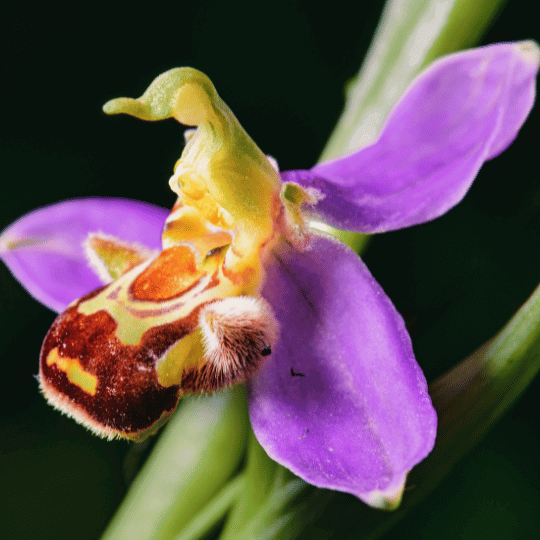
We owe the most famous example of this coevolution to Darwin. The scientist predicted that Angraecum sesquipedale, a Malagasy orchid with 30cm nectar spurs, must be pollinated by a hawk moth with an extremely long tongue (proboscis). Some plants like Ophrys apifera even mimic the appearance and scent of female bees to attract male pollinators, thus exploiting this relationship.

The Agricultural Revolution: Insects and Humans

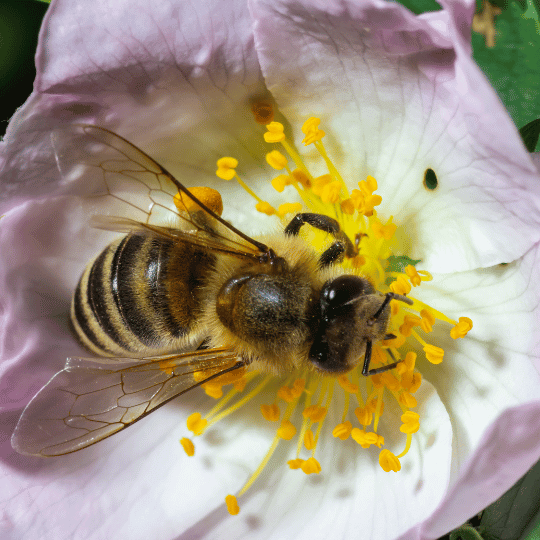
As humans transitioned from hunter-gatherer societies to agricultural ones around 10,000 years ago, the role of insects became even more crucial. Early farmers harnessed the power of pollinators and pest controllers. The domestication of honeybees such as the European honeybee (Apis mellifera), for honey and crop pollination is one of the most significant examples of the use of insects for agricultural purposes. 

However, not all interactions were beneficial. The European corn borer (Ostrinia nubilalis), became notorious for its ability to devastate corn crops. This led to the development of early pest control methods, illustrating the complex and sometimes adversarial relationship between humans and insects.

The Industrial Age : Insect Decline

The industrial revolution led to significant changes in agriculture in order to increase productivity: mechanisation, modernisation, monoculture and increased pesticide use. They all heavily altered the dynamics between humans, plants, and insects. In the mid-20th century, following World War Two, the widespread use of DDT* caused severe declines in pollinator populations. This broad spectrum pesticide kills pests and other insects such as bees without distinction and is responsible for long term toxicity.

This example among many led to a reevaluation of pest management practices and interdiction of particularly dangerous molecules. Therefore, DDT was banned from agricultural use worldwide in 2001. 

*DDT : Dichlorodiphenyltrichloroethane

Contemporary times and Beyond: Insect Conservation 

In contemporary times, the situation has grown even more complex. Human induced threats such as habitat loss, climate change, and spreading of invasive species threaten insect populations, as well as human health. Showing a renewed appreciation for insects’ roles in our ecosystems and everyday life, conservation efforts are made to restore and protect their habitats and diversity. In Europe, initiatives such as the EU Pollinators Initiative aimed to address these challenges by promoting sustainable agricultural practices, conservation strategies, and supporting research on pollinator health. Numerous environmental organisations are advocating for reduced pesticide use and increased biodiversity in agricultural landscapes to support insect populations.

As we look to the future, the coevolution of humans, plants, and insects will undoubtedly continue to shape our world. Understanding and preserving these relationships is crucial for maintaining biodiversity and ensuring food security!

More articles about biodiversity

Nature Protection and Biodiversity as Enablers of Rights, Participation and Well-Being Written by Olivia Robertson Volunteer at YEE – Biodiversity Contents Share

Read More

The conclusion of the 16th meeting of the Conference of Parties to the Convention on Biological Diversity (CBD COP16) marks a pivotal

Read More

Despite the law’s importance in combating deforestation, the European Union recently announced a 12-month delay.

Read More

While nighttime activities are popular with humans for a few nights a year, some creatures keep it creepy all year round.

Read More

With the next conference of the parties to the convention on biological diversity (COP 16) right around the corner, let’s look back

Read More
,

A Coevolution Tale: Humans, Plants, and Insects

Hidden in plain sight

Let’s talk bugs!

Written by

Contents

Eresus sandaliatus
Photo credits: Ewout de Vos
Phyllodesma tremulifolium

Share this article

If it has 6 legs it’s an insect and if not it is something else.

With all the hustle and bustle going on in our lives, especially for those of us living in big cities, our time spent in nature is limited to short walks in nearby parks. Even when we do attempt to visit our national parks, some creatures often go overlooked. Many of these overlooked organisms belong to the phylum (group) of arthropods.

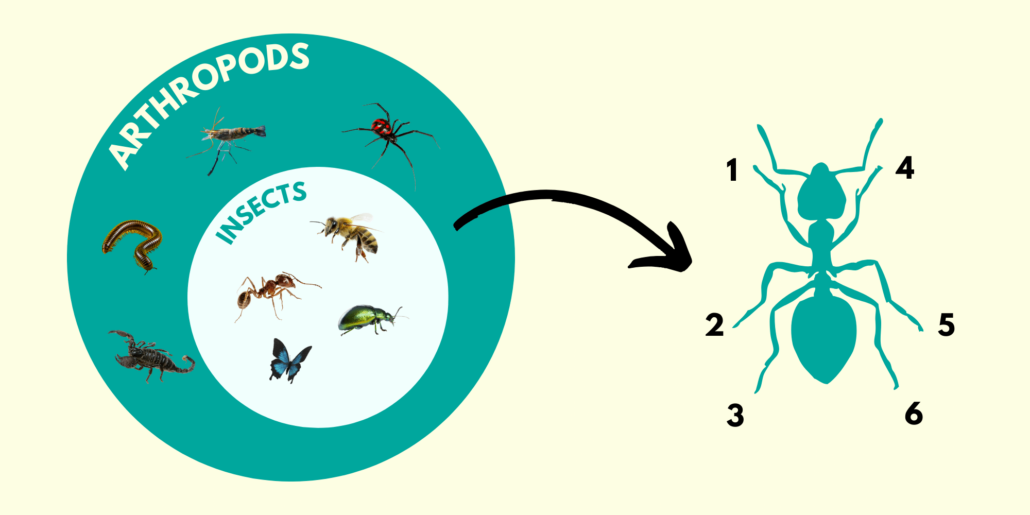
The reason why we use the word arthropod instead of insect is because all insects are arthropods but not all arthropods are insects.

Confused? Don’t worry, just look at the legs. If it has 6 legs it’s an insect and if not it is something else.

Examples of insects include: 
  • Bees 
  • Butterflies
  • Beetles 
  • Praying mantis
Examples of non insect arthropods are:
  • Shrimp
  • Spiders
  • Millipedes
  • And yes even ancient trilobites

Let’s look at some of these arthropods that are often hidden in plain sight

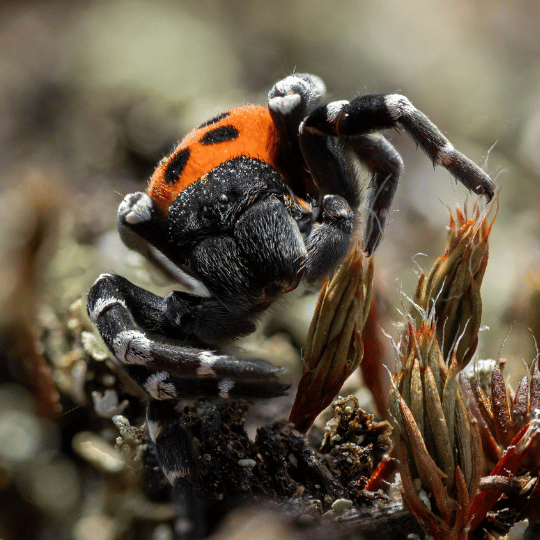
One of the more unexpectedly cute ones is the Lady bird spider (Eresus sandaliatus). As with many species in nature, it is the male that boats such vibrant colours. Though they look fuzzy and cute, try not to pick them up as a bite can cause some discomfort. Spiders, even those that look more menacing, play an important role in our ecosystems. These arthropods are mostly predators, as such they control the population of other arthropods lower in the food chain. We call this top down control. In doing so they prevent any one species from becoming too dominant in the ecosystem.

Moving on to some flying arthropods, we have wild bees. Most people are familiar with honey bees and their importance in European agriculture. But did you know that out in nature wild bees are more important than honey bees? Certain bees specialise only on certain groups of plants like yellow asteraceae. There are even bees that parasitise other wild bee nests like the Cuckoo bees from the genus Nomada.

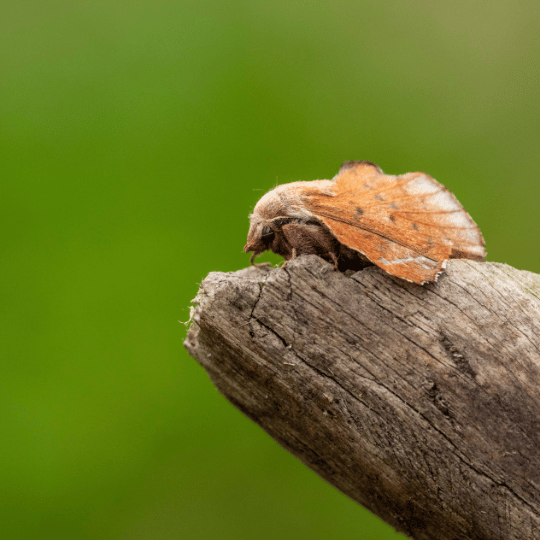
The final arthropod we want to highlight is the Aspen lappet (Phyllodesma tremulifolium). Unlike our first arthropod, the Lady bird spider, the Aspen lappet will definitely go overlooked during your next visit to your favourite Natura 2000 area thanks to its amazing camouflage. The ability to blend in with your surroundings has proven to be beneficial for both predators and pray alike. Praying mantises use it to ambush prey and moths and butterflies like the Aspen lappet use it to avoid becoming lunch. And have you ever wondered why moths are so fuzzy? Well, this is an adaptation that helps them avoid detection from predators and keep them warm so they can fly at night.

So next time you’re in nature don’t forget to keep an eye out for those cool arthropods hidden in plain sight!

More articles about biodiversity

Nature Protection and Biodiversity as Enablers of Rights, Participation and Well-Being Written by Olivia Robertson Volunteer at YEE – Biodiversity Contents Share

Read More

The conclusion of the 16th meeting of the Conference of Parties to the Convention on Biological Diversity (CBD COP16) marks a pivotal

Read More

Despite the law’s importance in combating deforestation, the European Union recently announced a 12-month delay.

Read More

While nighttime activities are popular with humans for a few nights a year, some creatures keep it creepy all year round.

Read More

With the next conference of the parties to the convention on biological diversity (COP 16) right around the corner, let’s look back

Read More
,

Hidden in plain sight