Call for Secretary-General

FULL Time (40h/week)

2955.8 EUR

remote possible

1 year contract

Start end of September 2025

We are seeking an individual with a deep commitment to our cause and a proven track record in strategic planning, project management, partnership building, and human resources. The ideal candidate will be under 35 years of age, proficient in English, and a resident in Europe, preferably with an EU working permit.

As Secretary General, you will be at the forefront of our mission, providing overall leadership and strategic oversight to ensure our values and goals in environmental advocacy, youth empowerment, and social justice are effectively pursued. Your responsibilities will encompass managerial oversight of the Secretariat, including staff recruitment and development, and acting as the main liaison with the Executive Board. You will also be crucial in financial and project management, fostering key partnerships, representing the organisation internationally, and securing vital structural grants.

We highly encourage all candidates based in the EU, irrespective of their nationality, to apply. Full remote working is possible, depending on being an EU citizen or non-EU. 

Work Arrangements

Contract period: A minimum of 12 months full-time (40 hours per week) employment contract with a strong prospect of prolonging. This role includes a 3-month provisional period.  

Remuneration: 73,150 CZK gross (approximately 2955.80 EUR) per month.

The selected candidate will be provided with an employee contract and typically will be required to pay their taxes in the Czech Republic, depending on their status. For more information please check the following website.

Essential Requirements

Applicants are eligible if they:

Application deadline: 18th August 2025

Your Responsibilities

  • ⚬ Lead the strategic planning process and ensure its implementation across departments and programmes; 
  • ⚬ Provide overall leadership and vision to ensure the NGO’s mission, values, and goals are effectively pursued; 
  • ⚬ Ensure the organisation complies with legal and regulatory requirements (e.g., membership fees, international cooperation, project reports and annual reports); 
  • ⚬ Ensure that the structures and processes within the organisation are kept under review and remain fit for purpose, especially in the light of organisational growth.
  • ⚬ Managerial oversight of the Secretariat, including recruitment, supervision, appraisal and motivation of staff and effective delegation;
  • ⚬ Act as the main liaison between the secretariat and the Executive Board
  • ⚬ Overseeing the integration and establishment of long-term engagement with the member organisations and effective servicing of the General Assembly, Executive Board and other governance bodies.
  • ⚬ Supervise staff and volunteers, ensuring a collaborative, safe, and productive work environment;
  • ⚬ Oversight of financial and project/programme management, working closely with the financial team.
  • ⚬ Represent the organisation at local, national, and international events, coalitions, and with partners or donors; 
  • ⚬ Act as a spokesperson and media contact when needed.
  • ⚬ Acquire and report for the existing structural grants for the organisation, namely from Erasmus+, European Youth Foundation and explore new opportunities  to secure further funding in this regard;
  • ⚬ Sign legal documents (e.g. grant agreements) and communication with the Ministry of Interior (e.g. regarding changes made to the composition of the organisation), as well as other legal entities; 
  • ⚬ Human resources management (Contracts, wages,  salaries and insurance, etc.); 
  • ⚬ Ensure that the external financial audits are on schedule and liaise with the internal auditors on the roadmap.

Ideal Profile

Extra Assets

Application Process

Interested candidates should fill in the application form by 18th August 2025.

Interviews will be held in the first weeks of September.

Equal Opportunity

We value diversity and have a strong commitment to a diverse work environment. In cases of equal competence, we give preference to candidates who contribute to this diverse work environment. 

, ,

Call for Secretary-General

YEE Statement in light of Genocide in Palestine and other human rights violations

The struggle for a livable planet is inseparable from the struggle for human rights and dignity. While our work focuses on climate and environmental advocacy, we cannot remain silent in the face of the ongoing genocide in Palestine.

We demand an end to the violence, accountability for those responsible, and justice and peace for all. Environmental and climate justice must be rooted in the broader fight for liberation, equality, and the right of all people to live free from oppression. We stand in solidarity with the people of Palestine.

We have joined countless civil society organisations and millions of people around the world in urgently calling for an immediate end to the atrocities in Gaza. Thousands of lives have been lost (many of them children) in what is an unimaginable humanitarian catastrophe.

Some examples of the calls we have endorsed/signed and that reflect our position:  

We also denounce the increasing censorship of Palestinian voices and its civil society supporters within international spaces, including the UNFCCC, where calls for justice and accountability at the SB62 Sessions have tried to be silenced under the guise of neutrality. We will not stand on the wrong side of history.

In parallel, we also condemn the coordinated attacks in the European Parliament during the European Youth Event (EYE) in June 2025, where the Forum of European Muslim Youth and Student Organisations (FEMYSO) faced coordinated attacks from right-wing MEPs and young right-wing groups. This included a demonstration outside the European Parliament by the youth wing of Identité Libertés and Rassemblement National Jeunes, actively supported by two sitting MEPs from the far-right Patriots alliance. YEE alongside the European Youth Forum (YFJ), FEMYSO and Federation of Young European Greens (FYEG) condemned these actions as part of a systematic campaign of intimidation and defamation, aiming to exclude and shrink the civic space of youth, in particular Muslim youth, from European spaces. 

At this critical moment, we reaffirm our unwavering commitment to justice, peace, and solidarity. The climate and environmental movement must not be neutral in the face of systemic violence, racism, and the erosion of human rights. Silence enables oppression; our advocacy must be intersectional.

We call on our peers, institutions, and allies across Europe and beyond to take a principled stand to challenge all forms of injustice, to protect civic space, and to defend the right of all young people, especially those from oppressed and racialised communities, to be heard, represented, and safe in democratic spaces.

Another world is not only possible, it is necessary. And we will not stop working for it.

Help us spread the word! Share this statement.

, , ,

YEE Statement in light of Genocide in Palestine and other human rights violations

Feedback for the upcoming EU Bioeconomy Strategy

By Youth and Environment Europe and co-signed by Generation Climate Europe

The European Commission launched the public consultation on 31 March 2025 for the upcoming EU Bioeconomy Strategy. The concept of bioeconomy encompasses biomass production, its conversion into food, bio-based materials, products, and bioenergy. This new strategy aims to advance innovation and maintain the EU’s leadership in the bioeconomy, while reinforcing circularity and sustainability and contributing to the decarbonisation of the EU economy. It will propose specific actions to unlock the potential of bioeconomy innovations, enabling them to reach the market and generate green jobs and growth. Stakeholders will be able to participate in the discussion and provide feedback until 23 June 2025 through the Have Your Say portal.

Bioeconomy Strategy (2018) – A sustainable Bioeconomy for Europe: Strengthening the connection between economy, society and the environment

Our feedback was published on the portal of the European Commission.

Subtopics to include:

1. Support for Scaling Bio-Based Production

Enable companies – particularly SMEs – to scale up economically viable bio-based production by improving access to financial instruments and awareness-raising campaigns. Special attention should be given to strengthening biomaterial startups that rely on manufacturing capabilities, as they face significant barriers due to limited access to pilot facilities and industrial scaling hubs. Currently, many EU programmes continue to prioritize digital and tech-based innovation, while nature-based solutions remain underfunded and under-supported.

2. Establish Harmonised Standards and Certification

Develop clear, EU-wide standards for biodegradable and bio-based products. The current patchwork of complex and divergent standards across Member States undermines market uptake. Introduce a national or EU-level certification mark for raw materials produced in alignment with circular economy principles. A recognisable, trusted label would empower consumers and purchasers to make informed choices, increasing confidence and demand for sustainable materials.

3. Create Market Incentives for Circular Bio-Based Materials

Introduce economic incentives – such as reduced VAT rates – for circular, nature-based, or regenerated materials. These products often struggle to compete due to higher production costs. Furthermore, embed procurement incentives for state and EU-funded projects that prioritise materials aligned with circular and sustainable principles.

4. Align Biomass Production with Environmental and Food Security Goals

Establish clear eligibility criteria for farmers producing biomass for industrial use. These criteria must ensure that biomass production does not interfere with primary food production and respects the integrity of natural ecosystems.

5. Embed Bioeconomy Education and Training

Integrate bioeconomy education into school curricula and vocational training programmes, with a particular focus on creating opportunities in rural areas. This is essential to ensure that all young people – regardless of geography – can participate in and contribute to the bioeconomy.

6. Strengthen University-Industry Collaboration

Provide funding for university-industry training programmes, internships, and activities organised by student associations in relevant fields. These experiences are crucial for developing the next generation of bioeconomy professionals and innovators.

7. Improve Access to Jobs and Career Opportunities

Enhance digital platforms such as the Knowledge Centre for Bioeconomy by integrating job-matching tools. A centralised, youth-friendly registry of job opportunities within the bioeconomy would make it easier for young people to enter and navigate this sector.

8. Promote Youth Participation and Leadership

Actively support youth engagement in bioeconomy innovation challenges, hackathons, and governance bodies. Young people should be recognised as key stakeholders whose ideas, energy, and leadership can help drive transformation.

9. Establish a Biomass Mass-Balancing Framework

Introduce a clear mass-balancing framework as part of the EU Bioeconomy Strategy. This would help industries transition toward more transparent and segregated biomass sourcing systems, ensuring traceability and sustainability.

10. Ensure Social Inclusion and Equity

To build a truly sustainable bioeconomy, social inclusion must be prioritised. Establish safeguards that define who is involved – such as workers, rural communities, and underrepresented groups – and how they are included in decision-making, benefit-sharing, and access to opportunities. Without this, the bioeconomy risks reinforcing existing inequalities.

11. Facilitate Youth Entrepreneurship in the Bioeconomy

Develop a clear and supportive regulatory framework that simplifies the process for young people to launch bioeconomy-related enterprises. Complement this with accessible mentorship programmes that offer hands-on guidance through each stage of business development, from idea to implementation.

Help us spread the word! Share this feedback.

Signatories

, , ,

Feedback for the upcoming EU Bioeconomy Strategy
Conclusion of the YEE Annual Meeting 2025

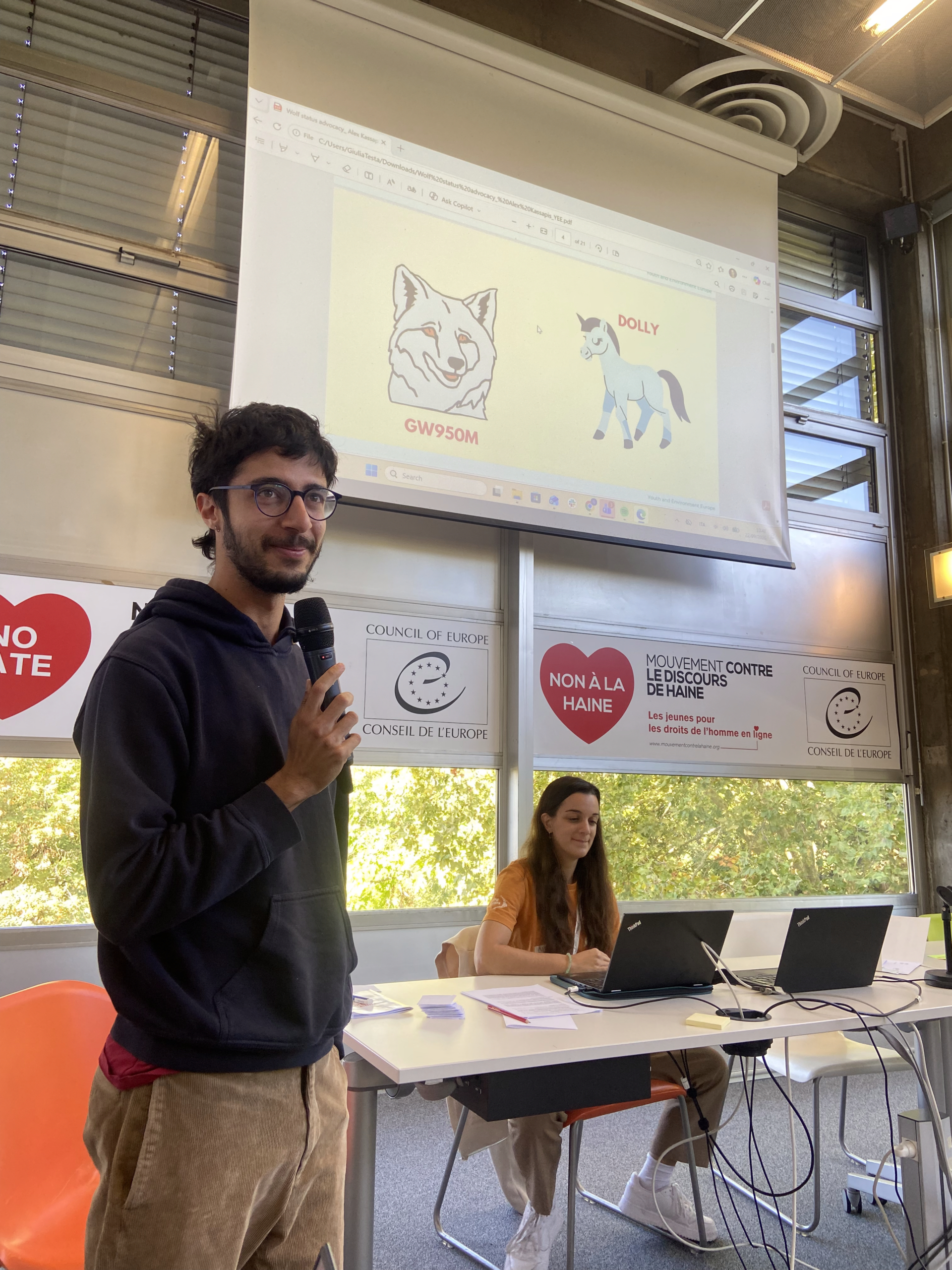
We are delighted to announce the successful conclusion of our Annual Meeting, held from 3-6 July 2025 in Prague. This event brought together our member organisations to discuss key issues, elect new leadership, and expand our network.

Overview

The Annual Meeting of the YEE network happened from Thursday, 3rd July to Sunday, 6th July 2025 in Prague and online. Out of 45 member organisations, 25 sent official delegates to discuss, vote and learn about important issues of the network. 

Apart from the official delegates, we also welcomed other delegates from the member organisations, candidates to the executive board, internal auditors and the YEE team, including the executive board, staff and volunteers. Overall, the Annual Meeting was attended by 62 people in Prague or remotely.

Changes to YEE Statutes and Rules of Procedure

The general assembly voted in favour of the presented changes to the YEE Statutes and Rules of Procedure. The most significant changes include:

All changes as amended can be found in the updated versions of the YEE Rules of Procedure and YEE Statutes.

Elections

Executive Board 2025-2027

The General Assembly has elected a new executive board for a two-year mandate (the length of the mandate was changed previously during the extraordinary annual meeting in February 2025). Out of 16 candidates, the General Assembly elected the following to represent them in the YEE executive board:

Internal Auditors

The General Assembly elected one new internal auditor, Ibrahim Tukur, from three candidates, who will play a crucial role in maintaining transparency and accountability within our organisation. 

The position of the second internal auditor has not been filled and therefore will be open before and voted on during an extraordinary annual meeting in early 2026.

Membership update

After the Annual Meeting, the YEE network now gathers 47 youth organisations from 23 countries.

New member organisations

We are excited to welcome two new member organisations to our network. 

The new members of the YEE network are:

The General Assembly did not approve of the new membership of one organisation – Vitality Association based in Moldova.

We look forward to a productive year ahead with our new board members, member organisations, and internal auditors!

, ,

Conclusion of the YEE Annual Meeting 2025

Delving into the Bioeconomy and the Power of Youth

The bioeconomy represents a unique chance to shift towards a more sustainable and less harmful way of living and doing business, while also reconciling with nature. Young people have a key role to play.

Written by

Contents

Explainers

Bioeconomy refers to all economic activities that rely on renewable biological resources.

Share this article

Many of you have probably heard the word bioeconomy before. But what does it really mean? These days, people are talking about it more and more, especially since the European Commission has announced its intention to update the EU Bioeconomy Strategy by the end of this year. The goal? to make the EU’s bioeconomy more sustainable, more circular, and more competitive. To get there, Europe must invest in innovation, create green jobs, and bring new bio-based solutions to the market — all while keeping its long-term goals in focus: decarbonising the economy and protecting the environment. 

Yet despite this political and social momentum, the concept of the bioeconomy — and why it matters — remains unfamiliar to many. So let’s break it down: What is the bioeconomy? And more importantly, how can young people help shape its future and seize the opportunities it offers?

What Is the Bioeconomy?

In simple terms, the bioeconomy refers to all economic activities that rely on renewable biological resources. These bio-based resources include plants, forests, fish, animals, and micro-organisms — anything that comes from nature and can be renewed. They are used to produce food, feed, bio-based products, energy, and services.

But what does this look like in real life? Below are some examples that illustrate how this transformation is taking place in the fashion and plastics industries:

From Fruit Waste to Fashion

Let’s start with fashion, a major industry that puts immense pressure on natural ecosystems, as most clothing today is made from fossil-based materials like polyester, which causes pollution and carbon emissions. But even in this gloomy context,  alternatives are emerging. One example is the Italian company Orange Fiber, which transforms citrus waste from the juice industry into textile fabrics. That’s right — fabric made from orange peels! Their approach reduces industrial waste and preserves natural resources, as nothing new needs to be cultivated or extracted from nature. 

Turning Waste Into Bioplastics

Similarly, the Spanish company Venvirotech uses food and agricultural waste as raw material to produce bioplastics. How? By using bacteria that naturally generate biopolymers, which are then turned into biodegradable plastics. These bioplastics break down in the environment without leaving behind toxins or microplastics, ensuring human and ecosystem health. 

Another inspiring initiative is the Plastisea project,  which develops bioplastics from seaweed, providing another bio-based solution to the global plastic crisis.

Why does the Bioeconomy Matter?

All in all, bio-based feedstocks can be transformed into a wide range of products, offering alternatives to fossil-based resources. But why do we want and need these alternatives? Because transitioning from fossil-based to bio-based is critical to protecting our planet and combating climate change. 

At the same time,  we must not forget that these resources originate from nature, and their use must respect our planetary boundaries; in other words, we cannot extract resources in ways that harm the planet’s ability to recover and stay healthy. Unfortunately, this is already happening in many parts of the world, which is why this transformation must come hand in hand with strong sustainability and circularity principles. 

Lastly, since this shift toward a bio-based economy will impact all sectors of society, it is important that everyone is involved, including young people.

Youth and Bioeconomy

So, how can young people shape the future of the bioeconomy and seize the opportunities it offers? First, by becoming key drivers of innovation. Our generation will bring new ideas and solutions that can potentially transform a wide range of sectors. This transformation opens up exciting opportunities, from research and innovation to entrepreneurship and new job opportunities. To unlock this potential, education is essential. Knowledge must be shared and be accessible at all levels, ensuring that rural communities are active participants in this transformation. Empowering the young through education and mentoring will be critical, but equally important is their inclusion in shaping bioeconomy policies at different levels. 

At the same time,  young people can influence the bioeconomy as conscious consumers. By choosing bio-based and sustainably sourced products, we can send strong market signals that encourage more responsible production. However, the burden of sustainability should not rest solely on individual choices. Companies must ensure that their claims about bio-based products are credible, transparent, and traceable. Information campaigns are also crucial to help young consumers make informed decisions. 

Empowering Youth to Shape a Sustainable Bioeconomy

The bioeconomy represents a unique chance to shift towards a more sustainable and less harmful way of living and doing business, while also reconciling with nature. Young people have a key role to play – from actively shaping policies, driving innovation and research to consuming bio-based products, among other important contributions. 

We hope this article offers young people a clearer glimpse into what the bioeconomy is and inspires you to engage in shaping its future. As a youth-led organisation, we are providing comments for the future EU Bioeconomy Strategy, ensuring that youth perspectives are heard and considered in future policies.

More articles about EU strategies

, , ,

Delving into the Bioeconomy and the Power of Youth