Can the EU energy goals guarantee a safe and solid electrification of our cities?

The EU’s ambitious electrification goals promise cleaner cities, but recent energy crises show that resilience must power the transition as much as renewables do.

Written by

Contents

Green loans and mortgages in the EU are financial instruments that offer preferential terms (such as lower interest rates) to borrowers for financing projects with clear, positive environmental benefits, such as improving a home’s energy efficiency.

Share this article

The transition to clean energy is reshaping Europe’s cities – from how we power our homes to how we move and build. Electrification is at the heart of this transformation, seen as a key solution to the climate crisis. Yet, as the European Union accelerates its green transition, recent events such as the April 2025 blackout across the Iberian Peninsula raise an important question: Can Europe’s energy systems handle the pressure of full electrification?

Urban Energy Demand and Infrastructure Gaps

To meet the objectives of the European Green Deal and achieve climate neutrality by 2050, alongside the goal of reducing greenhouse gas emissions by 55% by 2030 (compared to 1990 levels), the European Commission has introduced a series of directives, most notably the Energy Performance of Buildings Directive, which promotes and mandates the efficient and circular use of resources, the improvement of buildings’ energy performance, and the reduction of a building’s Global Warming Potential (GWP), a key metric for assessing emissions throughout a building’s entire life cycle.

European cities, particularly those with higher levels of energy poverty, are characterised by having many historic buildings with energy efficiencies far below the levels required to meet the established energy targets (75% of the building stock is considered energy inefficient, as noted in points 6 and 7). Given that buildings account for 36% of energy-related greenhouse gas emissions in the EU and that two-thirds of the energy used for heating and cooling still comes from fossil fuels, point 14 highlights the urgent need for a progressive phase-out of these energy sources.

It is essential to emphasise that all life-cycle emissions, particularly those from new buildings but also from major renovations and refurbishments, must be accurately assessed. This includes the selection of materials and a thorough analysis of site-specific conditions and climate factors, which are critical to the strategic placement and design of buildings.

The EU’s ambition, as stated in consideration 20, is for all new buildings to be zero-emission by 2030, and for the existing buildings to achieve zero-emission status by 2050. This goal may be reached through various strategies (consideration 22), including the integration of solar energy systems (consideration 32). Additionally, buildings must be prepared for electric vehicle integration, which will play a key role in both decarbonising and enhancing the efficiency of the electricity system (considerations 49, 50, 51).

Despite the REPowerEU initiative, energy-inefficient buildings (many of which belong to a lower class) remain highly vulnerable to energy price increases, as energy expenses constitute a major portion of household budgets (consideration 63). The Renovation Wave, supported by financial and administrative mechanisms from Member States, must therefore ensure that this transition is fair.

All the challenges that will arise with the electrification of cities must be grounded in a strong European energy independence, ensuring the stability, affordability and security of the energy grid, as well as an active state involvement in the management and implementation of the National Renovation Plans.

European Energy Dependence

In this context, the European Union has developed an Action Plan for Affordable Energy, which broadly focuses on “decreasing energy costs for citizens, businesses, industry and communities across the EU, considering the needs of all people, including vulnerable groups”.

This need arises from Europe’s strong dependence on fossil fuels and, consequently, from the price volatility of these energy sources, which has made Europe “more vulnerable to external pressure and global market uncertainty” 

Another contributing factor lies in inefficiencies and the lack of system integration within the electricity network, issues that could be addressed through improved interconnections, grid infrastructure, system integration, and increased flexibility. Additionally, operational costs and service-related charges also significantly impact overall energy prices. The full implementation of REPowerEU projects is critical for enabling Europe’s energy independence from other countries such as Russia, and must proceed with urgency, while also promoting an unprecedented expansion of renewable energy production. However, reducing energy costs and dependence alone won’t be enough. Europe also needs to modernise its energy infrastructure to prevent large-scale failures.

The Modernisation of the Grid

This Action Plan is structured around four core pillars: (i) lowering energy costs for all; (ii) completing the Energy Union; (iii) attracting investment; and (iv) preparing for potential energy crises.

The first pillar stands as a fundamental element in the construction and rehabilitation of cities, as it reflects the indirect relationship between the need for energy use and, consequently, the reduction of its cost. Therefore, the energy efficiency of buildings must be maximised (a challenge, particularly in the context of European city centres). Ultimately, this quality can enable urban buildings to achieve energy neutrality.

The Action Plan, however, outlines several projects and initiatives aimed at establishing integrated energy networks across Europe such as increasing the interconnection level of the Iberian Peninsula with the rest of Europe, the forthcoming Heating and Cooling Strategies (Q1 2026), and the Electrification Action Plan (Q1 2026), which must be implemented with the utmost speed, quality, and security to ensure the energy stability of European countries. One of the major current challenges, as reflected in the aftermath of the April 2025 blackout, concerns the connection of the Iberian Peninsula’s grid to the broader European network, as well as the development of a recovery and storage plan and a modernised energy infrastructure.

Funding Strategies

At the end of the day, it is funding that enables Member States to develop concrete and actionable plans. Within the directive referenced throughout this document, consideration 58 highlights recent initiatives aimed at increasing EU-level financing for improving the energy performance of buildings. These include the “Renovate” component of the Recovery and Resilience Facility, particularly within the REPowerEU plan, as well as the Social Climate Fund. For ordinary citizens, these policies translate into warmer homes, lower bills, and cleaner air. But the challenge lies in ensuring that no one is left behind, especially low-income households and communities dependent on fossil fuel jobs.

In addition to these funding mechanisms, “green” mortgages and “green” loans also have the potential to play a significant role in transforming the economy and reducing carbon emissions (considerations 60 and 61), namely as an incentive for the rehabilitation or renovation of existing buildings. Even with financing in place, system failures can quickly undermine progress.

The Social Impact of Energy System Failures

In April 2025, the Iberian Peninsula, Andorra (and some regions in southern France, along with parts of the European energy grid), experienced a major blackout that resulted in a widespread interruption of electricity supply.
This event, once considered an “impossible” scenario, generated instability and insecurity in the governance of the affected territories, which are aiming to achieve near-total electrification in the coming years. The instability of the energy grid and storage systems, combined with the lack of structured emergency energy recovery plans, has further reinforced public resistance in a population still largely hesitant about full electrification and household energy dependence.

Indeed, the Action Plan for Affordable Energy emerges at a somewhat ironic yet strategic moment, anticipating the urgent need for the modernisation and expansion of the European energy grid, particularly the connection between the Iberian Peninsula and the rest of Europe. This network, supported by a strong energy storage capacity capable of responding rapidly and effectively, will contribute to greater social, political, and economic stability across European cities. In my view, a key shortcoming of the plan lies in its fourth pillar (preparing for potential energy crises), which should be further developed and detailed to address and prepare for potential failures within the system itself.

Fragile Grids, Urgent Actions

In a context where the European energy grid remains fragile, particularly the Iberian energy network, there is a pressing need to investigate, modernise, and develop action plans for potential energy emergencies, as well as to invest in effective and sustainable energy storage.

This discussion and conclusion raise crucial questions: Is it possible to achieve these targets within such a short timeframe without compromising the safety and stability of cities and the European community as a whole? How can we anticipate and respond to energy emergencies like the one that occurred in such a brief period? Can the EU plans guarantee a safe and solid electrification of our cities?

More articles about energy issues

, , ,

Can the EU energy goals guarantee a safe and solid electrification of our cities?

Climate Justice and Adaptation Measures

The most vulnerable groups to climate impacts are always the ones most protected through adaptation measures. Unfortunately, in today’s reality, this sentence is not true, and there is a long way to go to achieve that goal.

This article will explore why effective adaptation measures must always be just and inclusive, and present a case study of the Baltic Sea Region.

Written by

Contents

Adapted Adaptation Justice Index Framework, showcasing the dimensions that occur most often.

What are National Adaptation plans?

National Adaptation Plans (NAPs) were established in COP16 and implemented at COP17. Their aim is to identify climate risks and corresponding adaptation needs, while outlining strategies for implementing relevant adaptation measures. Countries are encouraged to share their documents with the UNFCCC Secretariat and the general public.

Share this article

Why do we need just adaptation strategies?

With the increasing occurrence of climate-related disasters caused by droughts, floods, storms and wildfires, the implementation of effective adaptation measures has become an important topic of discussion between policymakers. 

In this regard, many scholars highlight that there is a strong connection between inequalities and vulnerability to climate change. One example is that marginalised communities often live in areas that are more at risk of being affected by, for example, flooding, and thus resulting in a need for more protection. Similarly, not recognising the special needs of these groups may also cause maladaptation, therefore, artificially putting them in increasingly greater danger in case of an emergency.

On the other hand, wealthier communities often live in more secluded and secure spaces. Furthermore, in many places around the world, these groups possess monetary resources and political connections that guarantee them better protection against any type of climate disaster. 

These examples showcase that the meaning of the concept of just climate adaptation measures varies depending on the context. It can be applied to different scales (local, regional and global), and relate to different types of inequalities (racial, religious, socio-economic and more).

Case Study of the Baltic Sea Region

Why is the Baltic Sea Region relevant to be examined?

Most importantly, it is a very unique space with one of the most vulnerable and climate-impacted marine systems in the world. The Baltic Marine Environment Protection Commission (HELCOM) is one of the main intergovernmental organisations in the region, which has focused on environmental issues since 1974. According to their reports, the Baltic Sea is already facing many climate-related challenges connected to the rise in water temperature, increasing sea levels, and the occurrence of less intense winters.

As a consequence of these changes, many areas in the region will become high-risk to live in due to, for instance, predicted high precipitation. These types of disasters have already increased in occurrence, as can be exemplified by the flooding in Poland in Autumn 2024. Therefore, with the increasing risks and need for resilience building, it is also key that policymakers think about making those measures equitable and targeted at vulnerable groups.

Climate Justice in National Adaptation Plans

Taking into account the knowledge about these high risks of climate change-related disasters and the importance of coordinated, just adaptation policies, what does the research show about the reality in the Baltic Sea Region?

My analysis was based on the Adaptation Justice Index framework, which allows us to look at climate justice in adaptation strategies from four perspectives: distributive, procedural, recognition and restorative. Per each dimension, there are several indicators provided, and depending on the extent of how just were the actions taken by the countries, a score from 0 to 3 is provided per indicator.

Distributive justice

Distributive justice refers to whether citizens have equal access to opportunities that would allow them to avoid climate hazards. For example, one indicator from this category could be whether or not a risk assessment was performed. There were 4 indicators in this category, meaning that countries could score from 0 to 12 points overall. The main findings were as follows:

Graph of scoring per country for the distributive justice category in the Adaptation Justice Index
Scoring per country for the distributive justice category in the Adaptation Justice Index, based on data collected by the author of this article.

In the context of distributive justice, the Western/Nordic countries have significantly differentiated themselves from the Eastern/Post-Communist neighbours. The former have scored between 67% and 100%. On the other hand, the latter group have scored between 25% to 42% of all the possible points. Many of the national adaptation strategies lacked risk assessment, scarcely identified vulnerable groups, and did not take the distribution of negative impacts or benefits of adaptation measures into account.

Procedural justice

Procedural justice refers to the extent to which the planning process of the adaptation strategies is inclusive and allows for fair participation of various stakeholders. For instance, one of the indicators in this category was concerned with whether the Adaptation strategy details who participates in the planning process. There were 5 indicators in this category, resulting in countries being able to score a maximum of 15 points.

Scoring per country for procedural justice category in Adaptation Justice Index, based on data collected by the author of this article.

When it comes to procedural justice, there was no division as in the previous category, and the results were slightly higher, with the majority of the countries scoring over 60%. The analysis has shown that a lot of countries attempted to facilitate open, continuous consultations; however, the vulnerable groups (as defined by each country in their NAPs) were only invited in one case. Similarly, most of the governments highlighted that citizens will also be taking part in the process of implementation, while it was not the case regarding evaluation and updates.

Recognition justice

Recognition justice can be understood as ensuring that each of the societal groups, especially minorities, is recognised and their adaptation needs are taken into account. One example of the indicator in this category was whether the strategy acknowledges adaptation as a way to secure basic rights. There were 3 indicators in this dimension, thus the maximum score possible to obtain was 9 points.

Scoring per country for the recognition justice category in the Adaptation Justice Index, based on data collected by the author of this article.

The lowest scores were visible in the recognition justice category, with only one country, Sweden, scoring over 50%. Unfortunately, the examined adaptation plans did not acknowledge that there are varying adaptation needs in society, depending on vulnerability level, nor that it is affected by socio-economic power structures. Additionally, most Baltic countries do not recognise that the right to adaptation is a basic human right.

Overall scoring of the Baltic Sea Region

Overall, none of the Baltic Sea Region countries has scored over 70% as calculated per the Adaptation Justice Index. Even though the majority of the analysed NAPs were very comprehensive and complex, including opinions of experts on the topic, they nevertheless do not account for vulnerable groups and differences among the citizens of the countries. 

Scoring per country for all categories in the Adaptation Justice Index, based on data collected by the author of this article.

While it is possible that the differentiated adaptation needs are more recognised on the regional and local level in many of these cases, the national strategies should stand as examples of effective resilience-building measures, building strong fundamentals based on theories of climate justice. 

Therefore, the most important conclusion drawn from this article is that the national governments around the Baltic Sea Region, and Europe in general, should increase their efforts to create comprehensive NAPs that correctly identify the needs of the citizens and strategies to implement those measures. 

At the current moment, similarly to other UNFCCC processes, the lack of binding mechanisms and requirements disincentivises Parties from making efforts to submit the NAPs on time and consult relevant communities in the process.

How to change the current situation?

The analysis has proven that factors such as international debates, political ideologies of the ruling government and prominence of public discourse on climate all shape the extent to which climate justice is applied in adaptation measures. So how can young people get engaged and make an impact?

Firstly, the topic of (just) adaptation needs to be prioritised internationally and get the attention of global leaders. The finance gap between adaptation needs around the world and actual investments has been estimated at around US$187-359 billion per year. As this year’s COP finished with the commitment to triple adaptation finance and the adoption of a set of indicators measuring the adaptation progress, now is the perfect time for youth to advocate for the implementation and delivery of those promises. You can join panel discussions, campaign online and advocate to politicians, on a local, regional or global level.

Secondly, with the rise of far-right governments in Europe, it’s clear that the topic of climate change is becoming increasingly neglected. In addition to that, what comes with this new wave in politics is also discrimination against different vulnerable groups, such as migrants or LGBT communities. This can also strongly affect the implementation of the just adaptation measures. Therefore, it is essential that young people engage in advocacy networks, meet with their local representatives and participate in national elections.

Finally, connecting the two above-mentioned points, is the need to increase the importance of discourses on climate change in society. The engagement with international and national politicians will not bring any change until the majority of the population starts caring not only for the environment, but also for each other. With the increasing polarisation of society, we begin to treat each other with hostility and suspicion, losing the ability to feel empathy for each other.  

Therefore, what young people can do is to engage with their local community and spread awareness about the importance of climate justice and climate adaptation. In this way, you can contribute towards creating a powerful bottom-up movement whose demands will not be ignored by the state leaders.

Recent articles

, , ,

Climate Justice and Adaptation Measures

Personal experience from the symposium on the Right to a Healthy Environment

Written by

Understanding the Triple Planetary Crisis

This text is an outcome of the project Understanding the Triple Planetary Crisis through the Lens of the Right to a Healthy Environment, supported by the European Youth Foundation of the Council of Europe.

Share this article

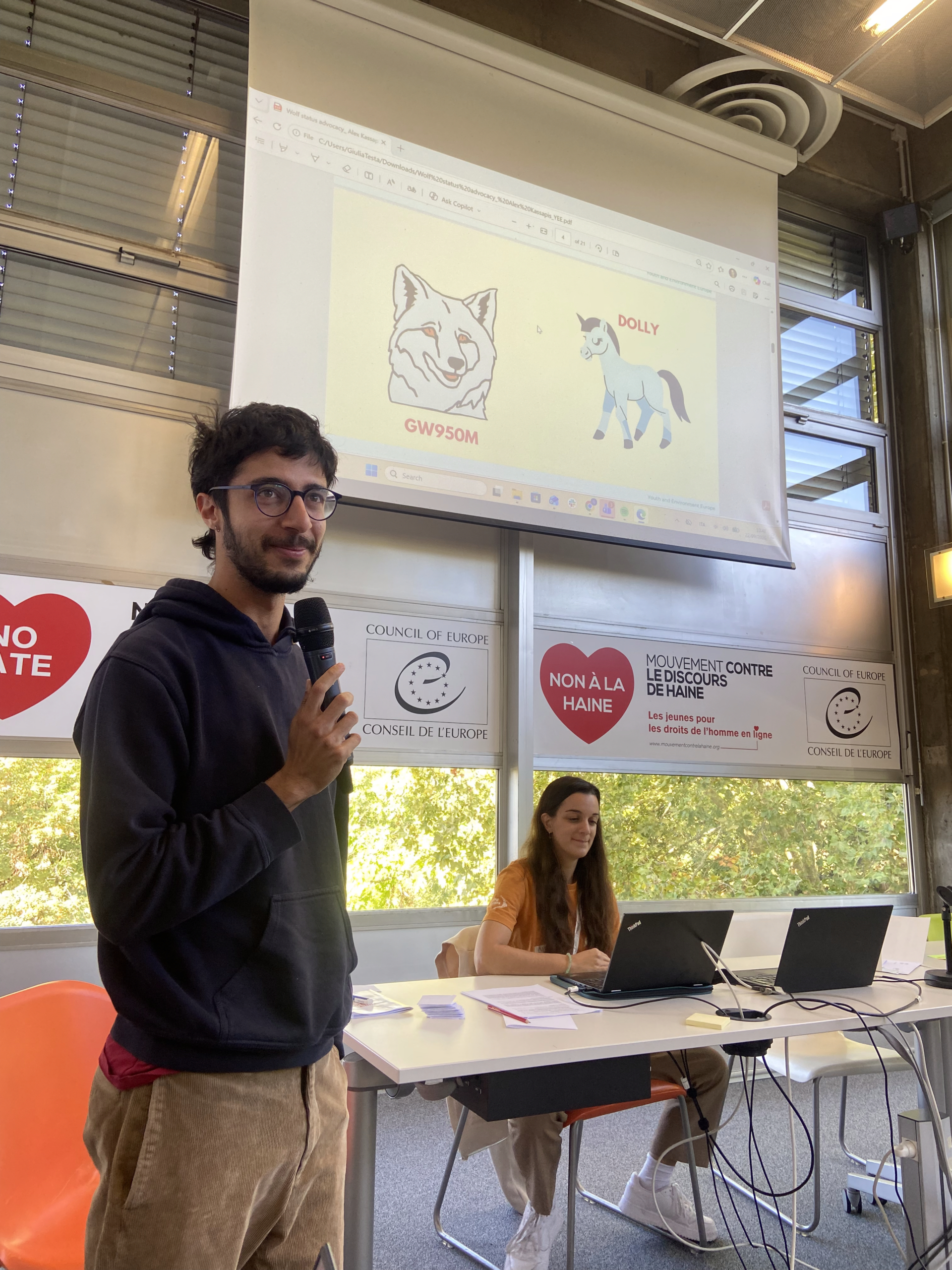
In the weekend of 18 and 19 October the YEE advocacy project on the Triple Planetary Crisis was concluded during a two-day symposium in Utrecht, the Netherlands.

During this weekend, I joined nine other students from the field of environmental law, eighteen young environmental advocates and the YEE team to work on a draft protocol for the Right to a Healthy Environment (RtHE) which we hope will be included in the European Convention on Human Rights (ECHR).

The Right to a Healthy Environment (RtHE) includes ‘the right to enjoy clean air, safe and sufficient water, healthy and sustainably produced food, a safe climate, healthy biodiversity and ecosystems, and non-toxic environments where people can live, work, learn and play’.

As such, it can be said that the RtHE lies at the root of most human rights and – if protected – will be central to addressing our triple planetary crisis. This gives me cause for hope, especially since it has already found recognition in the domestic legislation of 164 UN Member States. Not only that, it has also been recognised inter alia by the United Nations General Assembly with a wide consensus of 161 votes in favour and none against. Other notable recognitions of the RtHE were made by the Inter-American Court of Human Rights in 2024 and the International Court of Justice in July 2025. All these developments are grounds for quiet optimism, and a feeling that our work over this weekend, and the weeks leading up to it, will not be in vain.

In preparation for the symposium, as LLM students we prepared a legal publication exploring the implications of the RtHE for the regional legal order. Each chapter was drafted by a team of two, with each team providing peer feedback to the others.

During the seminar, we presented our chapters in short form and received feedback from the audience.

While I thought all the presentations were illuminating, this is not the place to discuss them in depth. To give an idea nonetheless, I will highlight just one (of the many) interesting points that were made. The team working on the legal impacts of the RtHE examined the margin of appreciation as the ECHR’s means of giving States discretion in implementing of human rights. They explained that, while this flexibility helps maintain cooperation and respect for sovereignty, it also limits the Court’s ability to address cross-border and global challenges, especially environmental ones such as climate change and pollution. Because these crises do not stop at national borders, too wide a margin can undermine collective protection.

I thought this was particularly strong because, when a clear European consensus exists, the Court can narrow the margin and strengthen common standards. I felt that this presentation clearly showed that Europe’s caution in this regard has become outdated, and that a new and explicit recognition of environmental rights could make human rights law and environmental protection both more preventive and more effective.

To us law students, in turn, it was inspiring to see the work done in the twenty-three local advocacy campaigns, which were displayed in a ‘science-fair’ style during one part of the symposium. Fighting food waste, cleaning up beaches and making flower bombs. Simply put, it was impossible to turn my back without facing another inspiring project, always proudly showcased by its beaming propagators.

While this is still not the place for a deep dive – which can be found in the accompanying documents – all projects combined a mixture of research and awareness-raising with education of the public and real action. One example of such action that stirred me most came from a campaign that put the spotlight on bees as an indicator species of the world’s welfare, spreading bee-friendly flower bombs that sowed not destruction, but life.

With the symposium wrapped up and the project a great success with new friends and connections, what’s next? For one thing, we finalised the legal publication I mentioned. In addition, we prepared a Youth Perspectives document during the symposium, reflecting on the experiences gathered during both the campaigns and the legal research. Both documents have informed a final pièce de résistance in the form of an additional protocol to the ECHR, which was produced collaboratively by all participants at the symposium. All documents will be considered by the Council of Europe and forwarded to relevant decision-making bodies.

In this way, our symposium has created its very own verbal flower bomb – we can’t wait to see it take root!

More resources on the Right to a Healthy Environment

, ,

Personal experience from the symposium on the Right to a Healthy Environment

From Armenia to the Netherlands: A Journey of Climate Advocacy, Youth Participation and Connection

Written by

Contents

Understanding the Triple Planetary Crisis

This text in the context of the project Understanding the Triple Planetary Crisis through the Lens of the Right to a Healthy Environment, supported by the European Youth Foundation of the Council of Europe.

Presentation of a local campaign

Share this article

How It All Began

One day, while scrolling through LinkedIn, I came across a post from Youth & Environment Europe (YEE) for a fully funded training programme on the Rights to a Healthy Environment (RtHE) in Armenia. It immediately caught my attention.

I’ve always wanted to contribute to climate and social justice, youth empowerment, and storytelling through impactful communication. I love discovering new cultures and broadening my horizons. Without hesitation, I applied and was selected along with 25 other young people. 

Learning and connecting in Armenia

The training in Armenia immersed us in the global environmental challenges: rising temperatures, pollution, biodiversity loss, and the way these issues affect daily life. We explored how environmental rights connect to human rights & social justice, and how frameworks like the Aarhus Convention can empower communities. We also met inspiring local organisations, such as Armenian Progressive Youth in Yerevan, who showed us how education and grassroots action can transform and inspire a community.

But what made Armenia unforgettable was the atmosphere we built together: open, kind, and collaborative. Between interactive workshops, cultural visits, and meaningful conversations, I found myself surrounded by people who share the same passion for environmental justice. 

Building Our Advocacy Campaign – Rights to a Healthy Environment 

Once the training ended, our work continued. We stayed in touch and developed our local advocacy campaigns. With Nadia Waclawiak, I worked on the coal mine challenge in Silesia, Poland, the country’s most coal-dependent region. Coal still shapes the local economy, yet its environmental and health impacts are undeniable. Water contamination, natural radioactivity, mercury exposure, and lung and larynx cancers affect the lives of many communities.

Together, we created a campaign on Instagram (@silesian_project_rthe) to share relevant, accessible educational content and raise awareness about the RtHE. This was paired with a petition to local authorities calling for a fair transition to renewable energy.

Reuniting in Utrecht

Months later, we met again in Utrecht for the final Youth Symposium on the Right to a Healthy Environment. 

The symposium sessions were eye-opening and diverse, but two moments in particular stayed with me. The keynote by Dr. Julie Fraser shed light on the role of young people in shaping global climate decisions. It is also essential to raise the voice of small island states and developing countries in the Global South – some of the most vulnerable and affected communities in the world.

Another highlight was the presentation by Utrecht University law students. This session gave me valuable insights into legal frameworks, protocols, treaties, and conventions. One of the most remarkable presentations for me was Chapter 2: The Right to a Healthy Environment in an international and regional context, by Mathilde & Manrique from Utrecht University. I loved the comparative and global approach: we got to learn about the protection of the RTHE in the Americas, Africa, Asia, the Middle East and of course, Europe.

The symposium also allowed us to discover each other’s campaigns. I was blown away by the creativity and commitment of my peers – from projects on water preservation in the Netherlands to food waste in Albania, bee protection in Georgia, and heatwaves in Portugal. 

What I Learned

Looking back, this experience reinforced something I’ve always believed: environmental justice and social justice are inextricably connected. Protecting ecosystems means protecting vulnerable communities, livelihoods, and public health. And real change always begins with education and awareness. 

My personal reflections after the journey

Beyond everything I learned, the heart of this journey was the group itself. This cohort became more than participants – they became friends I truly admire. Thoughtful, motivated, curious, generous, and sincere, they made this experience unforgettable. I felt constantly inspired by their work and also their kindness.

Looking Forward: more adventures, connection and engagement for our planet

This journey has deepened my commitment to environmental protection, social justice, and youth participation – the causes closest to my heart. It reminded me of the power that emerges when young people come together with purpose, compassion, and curiosity, no matter where they come from. It also showed me that our engagement doesn’t end here – it lives on in every campaign, every conversation, every work we do and every choice we make in our everyday lives.

And so, the story doesn’t end in this chapter. It simply opens new doors, inviting me into new adventures ahead. For the planet, and for its people.

More resources on the Right to a Healthy Environment

, ,

From Armenia to the Netherlands: A Journey of Climate Advocacy, Youth Participation and Connection

Advancing the rights of young environmental defenders under the Council of Europe framework

This position paper is directed at Council of Europe Member States and aimed at addressing protection gaps and eliminating the root causes of such protests through stronger environmental action.

The three proposals outlined include:

We invite young activists and youth organisations to support the position paper by promoting these measures to their elected officials and representatives in the Council of Europe. If you have any questions or would like to join forces to promote the position paper, do not hesitate to reach out to us!

Help us spread the word! Share this statement

, ,

Advancing the rights of young environmental defenders under the Council of Europe framework

Feedback on the Cosmetic Products Regulation

YEE calls for a stronger regulation to better protect the health of current and future generations, and address our main concerns and recommendations for a revision of the Cosmetic Products Regulation (Regulation (EC) No 1223/2009).

In February 2025, the European Commission launched a call for evidence for the evaluation of the Cosmetic Products Regulation to protect public health and ensure the safety of cosmetic products in the EU market.

Cosmetics and personal care products contain chemicals to which consumers are exposed daily, and may pose short, or long-term health risks. Given that adolescents and children are particularly vulnerable, as they experience prolonged developmental phases during which chemical exposures may have compounded health implications, the regulatory framework needs to ensure that it does not pose a health risk.

As a youth organisation we call for a strengthened Cosmetic Products Regulation that better protects the health of current and future generations, with particular attention to our recommendations outlined below.

Protecting Against Endocrine Disruptors through Restriction and Elimination

The use of cosmetics that contain Endocrine-Disrupting Chemicals (EDCs) and serious hazards such as carcinogenic, mutagenic and reprotoxic chemicals (CMRs) has been associated with a variety of chronic diseases. These include cancer, respiratory conditions, neurological disorders, and endocrine disruption. Since the susceptibility to endocrine disruptors varies with the stage of life, mini-puberty and puberty are one of the sensitive periods during which a hormonal disorder can irreversibly alter certain functions of the body.

Therefore, young people’s developing hormonal systems are particularly vulnerable to endocrine-disrupting chemicals commonly found in cosmetics. Driven by social media influence and the propagation of unrealistic beauty standards, especially among younger demographics, many cosmetic products have become integral to contemporary society.

However, there is a significant lack of information and education regarding the substances that these products contain, leading to widespread consumer unawareness about their potential health and environmental impacts. This inevitable and growing phenomenon supports the need for legal strengthening for the most harmful substances, including those impacting the endocrine, immune and neurological systems in cosmetics.

Consequently, the EDCs should be restricted and eliminated to ensure the health of current and future generations.

Addressing Toxic Cocktail Effects

In our homes and daily lives, we are exposed to hundreds of chemicals from many sources, such as flame retardants in soft furnishings, phthalates in plastic food packaging, and Per and Polyfluoroalkyl Substances (PFAS) in cosmetics.

However, most chemical safety regulations still ignore the fact that we are simultaneously exposed to a mixture of hundreds of substances from various sources. Risk assessments must include comprehensive exposure scenarios that consider chronic toxicity, cumulative daily exposure from multiple sources, and the increased sensitivity of sensitive groups.

The European Commission should require that cosmetic risk assessments explicitly consider cumulative exposure to chemical mixtures from multiple products used simultaneously, rather than assessing single substances, considering increased uncertainty factors for sensitive groups.

Banning PFAS To Ensure Healthy Drinking Water 

Many chemicals, including PFAS, that are present in cosmetics (e.g. hair conditioner, foundation cream, sunscreen, etc.) are washed out, pass through the wastewater and end up in oceans, rivers, groundwater, and even drinking water. These substances hardly break down in the environment and can accumulate in water sources, complicating the purification of drinking water.

Given this, PFAS need to be fully banned from all cosmetic products to ensure healthy drinking water.

Help us spread the word! Share this statement

,

Feedback on the Cosmetic Products Regulation

SB62 Unpacked

YEE’s experience on the international climate negotiations

Contents

Stephanny Ulivieri, Project Lead and COP30 Coordinator and Samira Ben Ali, Oceans Project Assistant in the New York Plenary Room in Bonn

Want to know more about the Global Just Transition Mechanism? Check out this short BAM explainer.

Picture from the intervention done by the Environmental NGOs (ENGO), one of the 9 official constituencies, during one of the JTWP negotiations
Picture of the meeting with Denise Dora in Bonn.
Meeting with Swiss Youth for Climate members, one of YEE’s member organisations!

Share this article

YEE’s first official delegation to SB62

Earlier this summer, Youth and Environment Europe (YEE) took an important step towards its COP30 preparation by joining the 62nd session of the Subsidiary Bodies (SB62) of the UNFCCC in Bonn with its first official in-person and online delegation to the international climate gathering. This marked a significant milestone in YEE’s advocacy journey this year, further cementing our presence in formal international climate negotiations.

Overview of the negotiations

While this was the first time YEE had attended the international climate gathering in person, it was also the first time we had a virtual delegation, which was both challenging and inspiring. As is often the case in the UNFCCC process, access to real negotiations remains limited for observers, and virtual participation was no exception. Most key negotiating sessions were closed to online observers, and even for the few that were open, technical issues such as platform lag made it difficult to join on time or follow them fully.

Still, following workshops and informal consultations gave more understanding into the process of upcoming COP negotiations and some hope for more productive and action-oriented discussions at Belém. The YEE online team closely followed discussions on gender and inclusion of Local Peoples and Indigenous Communities in the UNFCCC framework. A new Gender Action Plan (GAP) was being discussed, and the term intersectionality came up more frequently, signalling a positive shift in negotiation language. 

Gender and inclusion in climate policy

One of the notable developments was care work and gender-based violence being recognised, but Sexual and Reproductive Health and Rights (SRHR) and inclusive language are still contested, with some countries restricting gender to biological sex. While constructive engagement continues, more work is needed before COP30 to secure an ambitious, actionable GAP with funding. Gender mainstreaming showcased uneven progress, while some adaptation references were made, a notable step back was observed in the agreed language. Overall, cautious optimism is warranted alongside ongoing advocacy to set gender justice in climate action.

Key issues raised included the recognition of people of African descent, the need for gender-disaggregated data, and broader calls for intersectional approaches. YOUNGO’s intervention emphasised that age must also be considered, especially when it comes to children, who remain largely invisible in climate finance frameworks.

It was encouraging to see these issues raised by multiple parties, reflecting growing awareness. At the same time, heated debates around the definition of gender showed that more work is needed, including from civil society, to keep challenging the stigma and push for broader acceptance of non-binary and inclusive gender identities in climate policy spaces. 

Just Transition Work Programme (JTWP) highlights

The on-the-ground delegation also closely followed the Just Transition Work Programme (JTWP) negotiations, which stood out as one of the silver lining elements of SB62. Despite limited progress across other negotiation streams, discussions under the JTWP signalled a growing openness to more rights-based, inclusive approaches that prioritise workers, frontline communities, and youth.

For YEE, this space offered meaningful entry points to push for climate justice through structured and ongoing engagement. But the fight is not yet over. Having left Bonn with a strong chairs’ note draft was just the beginning in order for us to obtain an ambitious decision later this year at COP30. Before that, in early September, the Fourth Dialogue under the United Arab Emirates just transition work programme will take place in Addis Ababa, Ethiopia, and it will focus on “Just energy transition pathways and holistic approaches to just transitions including socioeconomic, workforce, social protection and other dimensions, based on nationally defined development priorities“.

The messages and summaries arising out of the dialogue will be integrated into the existing draft text, thus essentially shaping what negotiators will be focusing on in Belém. And that is where our role will matter – holding the lines for negotiators to know that civil society needs a strong text to come out of it. For example, one of the main cross-constituency proposals is about the BAM (Belém Action Mechanism) for a Global Just Transition, concrete ideas on how to operationalise the JTWP and discuss actionable outcomes. 

Adaptation negotiations and global resilience

Negotiations on adaptation measures showed the balance between urgency and capacity, with parties emphasising that adaptation guidance to be based on practical experiences and lessons learned by implementing nations. There was also a call for better coherence among review processes like the Global Stocktake and the Methodology Panel. Persistent capacity constraints, especially among smaller delegations, were mentioned regarding the conduct of comprehensive reviews as early as 2027 or postponing them to 2028.

The discussions showcased the intention of pursuing a balanced approach to build collaboration, inclusivity, and actionable climate resilience strategies globally. Yet, there were missed opportunities, like no concrete agreement on further advancing National Adaptation Plans (NAPs) and some issues being postponed to SBI 63. Overall, while negotiations set foundations, NGOs and civil society expect faster, clearer commitments, stronger financial support, and implementation of more inclusive, ambitious adaptation to meet the urgency of climate impacts worldwide.

Beyond negotiations – youth-led advocacy and solidarity

Right at the beginning of the SBs, alongside partners from the Center for International Environmental Law (CIEL) and the World’s Youth for Climate Justice (WYCJ), the delegation co-hosted a side event on the right to a healthy environment. The discussion unpacked the international legal basis of this fundamental right, recent developments at the Council of Europe, and how youth can leverage these tools in their advocacy and litigation work.

The YEE delegation also attended and supported the second edition of the Bonn Climate Camp, a dynamic and inclusive space co-created by youth and civil society. It provided a much needed alternative to the often too sterile halls of conferences, with it becoming a space for dialogue, creativity, resistance, and deep connection, a reminder that our fights are not just about policy—they’re essentially about people.

On top of that, Bonn was a moment to meet some of our member organisations in person and to connect with other friends and allies, such as those part of the CAN-I Just Transition Working Group, and the members of the Human Rights and Climate Change Working Group, through which we had the chance to have bilaterals and meet with people such as Elisa Morguera, the United Nations Special Rapporteur on Human Rights and Climate Change and Denise Dora, COP30 Special Envoy for Human Rights and Just Transition.

Looking ahead to COP30

Bonn was also a moment for solidarity and resistance. The YEE delegation joined protests in support of Palestine and stood by civil society against the censorship being imposed by the UNFCCC Secretariat. 

SB62 marked just the beginning of YEE’s presence in international climate negotiations in 2025, with COP30 on the horizon. Building on this experience, YEE managed to expand its policy engagement, strengthen partnerships, and support young people across its network to access and influence global climate spaces.

Showing up matters—and this first official presence at SB62 was a clear signal that YEE is ready to contribute with purpose, solidarity, and a deep commitment to youth-led climate action.

More articles about environmental decision-making

, , ,

SB62 Unpacked

YEE Statement in light of Genocide in Palestine and other human rights violations

The struggle for a livable planet is inseparable from the struggle for human rights and dignity. While our work focuses on climate and environmental advocacy, we cannot remain silent in the face of the ongoing genocide in Palestine.

We demand an end to the violence, accountability for those responsible, and justice and peace for all. Environmental and climate justice must be rooted in the broader fight for liberation, equality, and the right of all people to live free from oppression. We stand in solidarity with the people of Palestine.

We have joined countless civil society organisations and millions of people around the world in urgently calling for an immediate end to the atrocities in Gaza. Thousands of lives have been lost (many of them children) in what is an unimaginable humanitarian catastrophe.

Some examples of the calls we have endorsed/signed and that reflect our position:  

We also denounce the increasing censorship of Palestinian voices and its civil society supporters within international spaces, including the UNFCCC, where calls for justice and accountability at the SB62 Sessions have tried to be silenced under the guise of neutrality. We will not stand on the wrong side of history.

In parallel, we also condemn the coordinated attacks in the European Parliament during the European Youth Event (EYE) in June 2025, where the Forum of European Muslim Youth and Student Organisations (FEMYSO) faced coordinated attacks from right-wing MEPs and young right-wing groups. This included a demonstration outside the European Parliament by the youth wing of Identité Libertés and Rassemblement National Jeunes, actively supported by two sitting MEPs from the far-right Patriots alliance. YEE alongside the European Youth Forum (YFJ), FEMYSO and Federation of Young European Greens (FYEG) condemned these actions as part of a systematic campaign of intimidation and defamation, aiming to exclude and shrink the civic space of youth, in particular Muslim youth, from European spaces. 

At this critical moment, we reaffirm our unwavering commitment to justice, peace, and solidarity. The climate and environmental movement must not be neutral in the face of systemic violence, racism, and the erosion of human rights. Silence enables oppression; our advocacy must be intersectional.

We call on our peers, institutions, and allies across Europe and beyond to take a principled stand to challenge all forms of injustice, to protect civic space, and to defend the right of all young people, especially those from oppressed and racialised communities, to be heard, represented, and safe in democratic spaces.

Another world is not only possible, it is necessary. And we will not stop working for it.

Help us spread the word! Share this statement.

, , ,

YEE Statement in light of Genocide in Palestine and other human rights violations

Feedback for the upcoming EU Bioeconomy Strategy

By Youth and Environment Europe and co-signed by Generation Climate Europe

The European Commission launched the public consultation on 31 March 2025 for the upcoming EU Bioeconomy Strategy. The concept of bioeconomy encompasses biomass production, its conversion into food, bio-based materials, products, and bioenergy. This new strategy aims to advance innovation and maintain the EU’s leadership in the bioeconomy, while reinforcing circularity and sustainability and contributing to the decarbonisation of the EU economy. It will propose specific actions to unlock the potential of bioeconomy innovations, enabling them to reach the market and generate green jobs and growth. Stakeholders will be able to participate in the discussion and provide feedback until 23 June 2025 through the Have Your Say portal.

Bioeconomy Strategy (2018) – A sustainable Bioeconomy for Europe: Strengthening the connection between economy, society and the environment

Our feedback was published on the portal of the European Commission.

Subtopics to include:

1. Support for Scaling Bio-Based Production

Enable companies – particularly SMEs – to scale up economically viable bio-based production by improving access to financial instruments and awareness-raising campaigns. Special attention should be given to strengthening biomaterial startups that rely on manufacturing capabilities, as they face significant barriers due to limited access to pilot facilities and industrial scaling hubs. Currently, many EU programmes continue to prioritize digital and tech-based innovation, while nature-based solutions remain underfunded and under-supported.

2. Establish Harmonised Standards and Certification

Develop clear, EU-wide standards for biodegradable and bio-based products. The current patchwork of complex and divergent standards across Member States undermines market uptake. Introduce a national or EU-level certification mark for raw materials produced in alignment with circular economy principles. A recognisable, trusted label would empower consumers and purchasers to make informed choices, increasing confidence and demand for sustainable materials.

3. Create Market Incentives for Circular Bio-Based Materials

Introduce economic incentives – such as reduced VAT rates – for circular, nature-based, or regenerated materials. These products often struggle to compete due to higher production costs. Furthermore, embed procurement incentives for state and EU-funded projects that prioritise materials aligned with circular and sustainable principles.

4. Align Biomass Production with Environmental and Food Security Goals

Establish clear eligibility criteria for farmers producing biomass for industrial use. These criteria must ensure that biomass production does not interfere with primary food production and respects the integrity of natural ecosystems.

5. Embed Bioeconomy Education and Training

Integrate bioeconomy education into school curricula and vocational training programmes, with a particular focus on creating opportunities in rural areas. This is essential to ensure that all young people – regardless of geography – can participate in and contribute to the bioeconomy.

6. Strengthen University-Industry Collaboration

Provide funding for university-industry training programmes, internships, and activities organised by student associations in relevant fields. These experiences are crucial for developing the next generation of bioeconomy professionals and innovators.

7. Improve Access to Jobs and Career Opportunities

Enhance digital platforms such as the Knowledge Centre for Bioeconomy by integrating job-matching tools. A centralised, youth-friendly registry of job opportunities within the bioeconomy would make it easier for young people to enter and navigate this sector.

8. Promote Youth Participation and Leadership

Actively support youth engagement in bioeconomy innovation challenges, hackathons, and governance bodies. Young people should be recognised as key stakeholders whose ideas, energy, and leadership can help drive transformation.

9. Establish a Biomass Mass-Balancing Framework

Introduce a clear mass-balancing framework as part of the EU Bioeconomy Strategy. This would help industries transition toward more transparent and segregated biomass sourcing systems, ensuring traceability and sustainability.

10. Ensure Social Inclusion and Equity

To build a truly sustainable bioeconomy, social inclusion must be prioritised. Establish safeguards that define who is involved – such as workers, rural communities, and underrepresented groups – and how they are included in decision-making, benefit-sharing, and access to opportunities. Without this, the bioeconomy risks reinforcing existing inequalities.

11. Facilitate Youth Entrepreneurship in the Bioeconomy

Develop a clear and supportive regulatory framework that simplifies the process for young people to launch bioeconomy-related enterprises. Complement this with accessible mentorship programmes that offer hands-on guidance through each stage of business development, from idea to implementation.

Help us spread the word! Share this feedback.

Signatories

, , ,

Feedback for the upcoming EU Bioeconomy Strategy

Delving into the Bioeconomy and the Power of Youth

The bioeconomy represents a unique chance to shift towards a more sustainable and less harmful way of living and doing business, while also reconciling with nature. Young people have a key role to play.

Written by

Contents

Explainers

Bioeconomy refers to all economic activities that rely on renewable biological resources.

Share this article

Many of you have probably heard the word bioeconomy before. But what does it really mean? These days, people are talking about it more and more, especially since the European Commission has announced its intention to update the EU Bioeconomy Strategy by the end of this year. The goal? to make the EU’s bioeconomy more sustainable, more circular, and more competitive. To get there, Europe must invest in innovation, create green jobs, and bring new bio-based solutions to the market — all while keeping its long-term goals in focus: decarbonising the economy and protecting the environment. 

Yet despite this political and social momentum, the concept of the bioeconomy — and why it matters — remains unfamiliar to many. So let’s break it down: What is the bioeconomy? And more importantly, how can young people help shape its future and seize the opportunities it offers?

What Is the Bioeconomy?

In simple terms, the bioeconomy refers to all economic activities that rely on renewable biological resources. These bio-based resources include plants, forests, fish, animals, and micro-organisms — anything that comes from nature and can be renewed. They are used to produce food, feed, bio-based products, energy, and services.

But what does this look like in real life? Below are some examples that illustrate how this transformation is taking place in the fashion and plastics industries:

From Fruit Waste to Fashion

Let’s start with fashion, a major industry that puts immense pressure on natural ecosystems, as most clothing today is made from fossil-based materials like polyester, which causes pollution and carbon emissions. But even in this gloomy context,  alternatives are emerging. One example is the Italian company Orange Fiber, which transforms citrus waste from the juice industry into textile fabrics. That’s right — fabric made from orange peels! Their approach reduces industrial waste and preserves natural resources, as nothing new needs to be cultivated or extracted from nature. 

Turning Waste Into Bioplastics

Similarly, the Spanish company Venvirotech uses food and agricultural waste as raw material to produce bioplastics. How? By using bacteria that naturally generate biopolymers, which are then turned into biodegradable plastics. These bioplastics break down in the environment without leaving behind toxins or microplastics, ensuring human and ecosystem health. 

Another inspiring initiative is the Plastisea project,  which develops bioplastics from seaweed, providing another bio-based solution to the global plastic crisis.

Why does the Bioeconomy Matter?

All in all, bio-based feedstocks can be transformed into a wide range of products, offering alternatives to fossil-based resources. But why do we want and need these alternatives? Because transitioning from fossil-based to bio-based is critical to protecting our planet and combating climate change. 

At the same time,  we must not forget that these resources originate from nature, and their use must respect our planetary boundaries; in other words, we cannot extract resources in ways that harm the planet’s ability to recover and stay healthy. Unfortunately, this is already happening in many parts of the world, which is why this transformation must come hand in hand with strong sustainability and circularity principles. 

Lastly, since this shift toward a bio-based economy will impact all sectors of society, it is important that everyone is involved, including young people.

Youth and Bioeconomy

So, how can young people shape the future of the bioeconomy and seize the opportunities it offers? First, by becoming key drivers of innovation. Our generation will bring new ideas and solutions that can potentially transform a wide range of sectors. This transformation opens up exciting opportunities, from research and innovation to entrepreneurship and new job opportunities. To unlock this potential, education is essential. Knowledge must be shared and be accessible at all levels, ensuring that rural communities are active participants in this transformation. Empowering the young through education and mentoring will be critical, but equally important is their inclusion in shaping bioeconomy policies at different levels. 

At the same time,  young people can influence the bioeconomy as conscious consumers. By choosing bio-based and sustainably sourced products, we can send strong market signals that encourage more responsible production. However, the burden of sustainability should not rest solely on individual choices. Companies must ensure that their claims about bio-based products are credible, transparent, and traceable. Information campaigns are also crucial to help young consumers make informed decisions. 

Empowering Youth to Shape a Sustainable Bioeconomy

The bioeconomy represents a unique chance to shift towards a more sustainable and less harmful way of living and doing business, while also reconciling with nature. Young people have a key role to play – from actively shaping policies, driving innovation and research to consuming bio-based products, among other important contributions. 

We hope this article offers young people a clearer glimpse into what the bioeconomy is and inspires you to engage in shaping its future. As a youth-led organisation, we are providing comments for the future EU Bioeconomy Strategy, ensuring that youth perspectives are heard and considered in future policies.

More articles about EU strategies

, , ,

Delving into the Bioeconomy and the Power of Youth