


Environmental Rights Report
Share This Report
The Environmental Rights Report created by the BeLIFE project consortium looks at how people (especially young people) can stand up for their environmental rights across the EU. It focuses on procedural rights, such as the right to participate in decisions that affect our environment, to access environmental information, and to seek justice when those rights are denied.
Using insights from the EU’s Environmental Implementation Reviews, it examines how the European Green Deal is shaping these rights and what obligations it creates for governments to listen, involve, and respond to the public.
It also links what is happening in Europe with the growing global momentum around the right to a clean, healthy, and sustainable environment, including at the United Nations.

Environmental Rights Report
https://yeenet.eu/wp-content/uploads/2025/07/Environmental-Rights-ReportYouth-in-Cohesion-Policy-featured-image.png 353 353 YEE https://yeenet.eu/wp-content/uploads/2018/11/logo-yee-728x1030.png YEE2025-07-04 16:57:072025-08-27 15:08:09Environmental Rights Report
Environmental Defenders in Europe
Share This Toolkit
As part of the BeLIFE project, we launched a consultation to better understand the realities of environmental and climate defenders across Europe — with a special focus on youth. Through over 90 in-depth responses from 16 countries, this report reveals the challenges they face, the support they need, and their calls for systemic change.
From online harassment and legal intimidation to burnout and lack of institutional support, environmental defenders are facing growing pressure — often without adequate protection. However their messages are also filled with resilience, solidarity, and clear proposals for action.
The summary highlights:
-
The most common threats faced by respondents
-
Urgent needs in terms of funding, legal aid, training, and mental health
-
Youth-specific barriers and proposals for more meaningful inclusion

Environmental Defenders in Europe
https://yeenet.eu/wp-content/uploads/2025/07/Environmental-defenders-featured-image.png 353 353 YEE https://yeenet.eu/wp-content/uploads/2018/11/logo-yee-728x1030.png YEE2025-07-02 17:55:112025-08-27 15:02:03Environmental Defenders in EuropeEU Future Vision for Agriculture and Food
By Harveet Purewal and Ippokratis Tsevrenis, YEE Youth Scientific Advisory Board Members

Environmental conditionality: A risky trade-off
One theme identified by the European Commission in the Vision is the need to “cut red tape and simplify the current environmental conditionality system”, aiming to make environmental regulations more efficient and less burdensome. Although this approach may give farmers greater freedom to adapt their practices, this does not ensure that these practices will be sustainable.
Livestock farming: The missing commitment to reduction
Moreover, the Vision repeatedly mentions the need to strengthen the competitiveness and resilience of sensitive sectors such as livestock, stating that livestock is an essential part of EU agriculture. We as youth acknowledge the need to make vulnerable sectors such as livestock farming more resilient to ensure that no individual is left behind as part of a just transition. However, this perspective disregards the ever-growing body of scientific evidence highlighting the negative environmental impacts of livestock farming, as acknowledged at COP28 for the first time at the international level, as well as the potential for Europe to become a world leader in alternative proteins as an increasing proportion of individuals switch to more plant-based diets. Although the vision mentions a “new workstream on livestock” which provides an opportunity to create a framework that mediates consumer demand for meat products with the EU’s climate commitments, there remains no commitment to reduce livestock farming in Europe, even though direct livestock emissions account for two thirds of all reported agricultural GHG emissions.
Sustainability and Agroecology: Gaps in the Vision
Furthermore, the Vision itself provides a vague roadmap in terms of concrete steps the Commission have identified to create a more nature-friendly farming system. Within the document, there are no explicit strategic directions mentioned towards a more sustainable agriculture direction with agroecology as a practice that attracts young farmers, only mentioned once. Linked to this, there remains a strong emphasis on CAP within the Vision, however, CAP reforms are unlikely to be sufficient to address the scale of change needed. Plus, there was no mention of ending area-based payments, which are often not results-based and favour large landowners, putting a disadvantage on smaller farms, which may potentially achieve better environmental outcomes. For the Vision to create tangible impacts, it is crucial that the Commission targets the underlying factors that make it difficult for farmers to successfully implement environmentally friendly practices and incentivise practices that lead to actual benefits for nature, as opposed to payments for generic practices.
Failing to attract young people to agriculture
Specifically, as youth, we welcome the Commission’s use of dialogue to ensure that the Vision is inclusive. However, the vision lacks measures on how to attract young people into the agricultural sector. With only 12% of all farms in the EU being managed by farmers under 40, it is crucial that any Vision for the agricultural sector targets the ageing population of Europe’s farmers and effectively attracts young people into the agricultural sector.
Regional decentralisation and the right to stay
The Vision acknowledges and reiterates the “right to stay” in remote regions, yet it fails to quantify or plan research about the desirable approximate population target by region. This can be assigned to member states to come up with certain national decentralisation plans to assess the needs for reinhabiting remote areas, considering each region’s biocapacity and particularities.
Contradictions with the Mercosur Deal
Another conflictual point is the reference of the Vision to fostering locally sourced and seasonal food, matched with shortening supply chains for fairer farmers’ income. Although this ambition is in the right direction from a societal perspective of justice, it is concerning how it clashes with the Mercosur Deal. When it comes to agricultural affairs of the Deal, it foresees an extra 99.000 tonnes of imported beef to the EU with reduced or no tariffs, which can put European smallholder farms at stake, and jeopardise forest areas in Latin America. Besides this, there is well-established scientific evidence that animal farming is a major driver of climate change and its impacts. This is owed to the fact that animal farming contributes more than 50% of the total methane emissions in the EU, whilst significant landmass and water use are required for livestock breeding, compared to alternative sources of protein production. In light of this current reality, not everyone is equally responsible. In fact, according to Eurostat findings, smallholders (that is, farm properties smaller than 5 hectares) represent 40% of the total holdings, equivalent to just 6% of the total agricultural land. On the other hand, 52% of the agricultural land is controlled by large farms (i.e., properties equal or greater than 100 hectares), representing only 4% of the farming population. Having all that in mind, the Mercosur Deal contradicts the Vision both from a societal and environmental standpoint: it compromises smallholders both in the Mercosur and the EU blocs, ultimately disregarding the UN Declaration on the Rights of Peasants and Other People Working in Rural Areas (UNDROP) which mentions that “States shall formulate […] public policies […] to advance […] sustainable and equitable food systems” and shifts part of the environmental and climate footprint -associated with cattle farming- to Mercosur, without essentially reducing the net volume of red meat production.
Non-Formal Education: A catalyst for change
As young people, we benefit from lifelong learning and non-formal education opportunities through the EU-funded Erasmus+ and European Solidarity Corps (ESC) programs. We believe that these programs besides their contribution to the development of soft and transversal skills for youth, are also vital for promoting practical training and sector-specific hard skills, getting to know how food grows, which factors foster or impede a successful yield, as well as its nutritional value in an age where a growing number of young people loses touch with these natural processes, and concurrently health-related issues due to poor nutrition are on the rise. These programs can also act as ambassadors of EU policymaking, since they often raise awareness about EU legislation, via non-formal education and interactive approaches. Therefore, it is pivotal that young people get the chance to receive lived experiences on sustainable and regenerative agricultural practices through these programs. Lived experiences through engaging non-formal education programs can foster a transformative change and spark young people’s interest and curiosity in agriculture-related occupations, enabling a multidimensional set of solutions for the revitalisation of EU rural landscapes, with ecologically and socially innovative ventures that strengthen the EU’s food sovereignty and uplift employability.
Way forward: Strengthening competences and financial support
The European Commission has already published several competence frameworks (e.g., GreenComp and LifeComp), showcasing that we are heading towards a world where competences are gaining more prominence, alongside the traditional formal educational credentials. Non-formal education is critical for the promotion of these competences, and, in our case, competences related to the agricultural sector. The consultation on the post-2027 Multiannual Financial Framework (MFF) of the EU is underway. In line with the trends in budgetary increases between the MFF of 2014-2020 and 2021-2027 in the budget share for Erasmus+ and ESC projects, the EU needs to push forward for a further increase that covers both the current inflationary reality and the increased need for skills development that is targeted, accessible, and inclusive for everyone. Delving deeper, the Erasmus+ and ESC 2025 Programme Guides already refer more precisely to promoting chemical-free agriculture projects as enablers of rural revival, confirming what is already outlined in this statement. We hail this trajectory and look forward to its establishment, integrating a more diverse palette of projects, ranging from regenerative agriculture to agroforestry. These programs can further advance the Vision, not only by engaging youth but also by integrating nature-based solutions into agricultural practices.
Help us spread the word! Share this statement
EU Future Vision for Agriculture and Food
https://yeenet.eu/wp-content/uploads/2024/02/position.png 250 250 YEE https://yeenet.eu/wp-content/uploads/2018/11/logo-yee-728x1030.png YEE2025-05-13 11:28:442025-07-23 15:31:49EU Future Vision for Agriculture and FoodNext Gen EU Parliament: Interviews with young MEPs

720 Members of the European Parliament (MEPs) were elected in June 2024; among these, 36 were young MEPs under 35 years old after the election. We focused specifically on communicating about the newly elected members of Parliament for the coming cycle.
As a pan-European youth organisation, we work to amplify youth voices in decision-making. We therefore wanted to hear from the young European parliamentarians and ask them about key topics that are relevant for young people around the continent.
We therefore listed all MEPs under 35 and contacted all to ask to join for an interview on topics of environment and climate change, youth participation, green jobs and education. Out of 36 MEPs contacted, 8 of them responded to the request for an interview and were all provided with the same set of questions they could answer. Below you will find the answers to the interview questions by the 8 young MEPs who chose to participate and their short bio.
Environmental protection and climate action
MEP Peter-Hansen prioritises achieving an ambitious 2040 climate goal and ensuring all EU climate legislation aligns with the Paris Agreement. She calls for increased investments in renewable energy and measures to phase out fossil fuels as part of Europe’s clean energy transition.
Another key focus is banning harmful chemicals in everyday products to protect human health and the environment. She also advocates for stronger risk and hazard assessments to address the long-term effects of chemical use.
Her overarching aim is to align the EU’s climate policies with international agreements while addressing harmful substances that threaten human health and biodiversity.
Climate protection and sustainable regional development are central to MEP Repp’s work, particularly in rural regions like Mecklenburg-Vorpommern, Saxony-Anhalt, and the Baltic Sea. She focuses on combining climate protection with regional development, ensuring that investments in renewable energy, sustainable technologies, and modern infrastructure strengthen rural areas while creating jobs and securing their future.
A strong advocate for sustainable agriculture and fisheries, she supports scientifically based catch quotas, expanded marine protection areas, and reforms of the Common Agricultural Policy to reduce pesticide use and promote organic farming. These efforts align with her goal of creating a green transformation that benefits the environment and local communities.
She backs ambitious EU climate targets, including a 2040 emissions reduction target, and highlights the importance of socially just transition through tools like the Just Transition Fund and Social Climate Fund. MEP Repp works to ensure rural areas contribute to and benefit from the EU’s climate neutrality goals.
As a member of the ENVI Committee, MEP Ridel views Europe as the ideal place to address climate change, which she believes is spiralling out of control. She places significant emphasis on protecting biodiversity, warns against the ongoing sixth mass extinction, and highlights the role of nature in combating the climate crisis.
MEP Ridel is committed to fighting environmental disinformation, which threatens public debate, especially on social media. She stresses the importance of protecting scientists from fake news and online violence and recommends exploring Quota Climat’s work for insights.
Her efforts extend to opposing the criminalisation of environmental activists, such as Paul Watson. She considers protecting activists vital for maintaining momentum in preserving a habitable planet.
MEP Schilling is focused on protecting the European Green Deal, particularly against efforts by conservative forces to undermine it. They advocate for ambitious climate targets, calling for a 90–95% reduction in emissions by 2040, as recommended by the European Scientific Advisory Board on Climate Change.
She emphasises that politics happens beyond parliaments, advocating for greater grassroots engagement and bridging the gap between politics and citizens. Protecting the Green Deal and implementing ambitious climate laws are top priorities.
MEP Schilling also stresses the importance of ensuring the green transition is socially just. To meet the EU’s Fit for 55 goals, transformative changes across the transport, industry, and energy sectors are needed.
MEP Scuderi emphasises the need for a holistic industrial policy that goes beyond decarbonisation to address biodiversity loss, deforestation, and soil degradation. She argues that focusing narrowly on emissions risks perpetuating superficial solutions while ignoring systemic environmental crises.
Her vision includes integrating biodiversity and natural resource conservation into industrial strategies to prevent past mistakes and create sustainable change. She prioritises re-industrialising nations to produce tools for the energy transition, ensuring clean energy access and job creation.
Scuderi also advocates for community involvement in renewable energy projects through energy citizenship and shared governance. By fostering local support, she aims to accelerate the adoption of renewables and ensure equitable benefits from the transition.
MEP Strolenberg’s primary focus within the Agriculture Committee is transitioning toward more plant-based agriculture to reduce reliance on animal-based products. This transition has multiple benefits, including lower greenhouse gas emissions, healthier diets for Europeans, reduced soil degradation caused by livestock waste, and improved resilience to climate-related challenges such as floods and droughts. She strongly advocates for crop diversification, viewing it as essential to building a more climate-resilient agricultural sector.
In practical terms, MEP Strolenberg has questioned the Agriculture Commissioner about crop diversification targets for 2026. Although the response was disappointing, she welcomed the promise to update the EU protein strategy. She is now collaborating with NGOs, scientists, and parliamentary colleagues to build a coalition and develop a detailed plan for advancing this transition.
She emphasises the lack of specific greenhouse gas reduction targets for the agricultural sector, which she considers essential for achieving the EU’s climate neutrality goals. MEP Strolenberg plans to advocate for such targets, potentially through a future reform of the Emissions Trading System.
Environmental protection is a core priority for MEP Sieper, a member of the TRAN Committee. He is committed to green mobility and promotes electric vehicles, improves public transport, and advances green freight solutions. His vision includes a unified European public transport system with integrated ticketing across borders, which he views as one of the most impactful and easily implemented climate solutions.
He also champions the energy transition, with a strong focus on scaling renewable energy sources such as water, wind, and solar power. A particular priority is the renewal and expansion of Europe’s solar industry, which he believes is crucial for a sustainable future.
MEP Sieper is deeply committed to environmental protection. He emphasises the importance of reforestation and establishing animal protection zones free from human interference. He believes harming ecosystems directly harms biodiversity and creates wider-reaching environmental impacts.
MEP Vieira sees environmental protection as inseparable from her work on the Trade and Human Rights Committees. She prioritises ensuring that partnerships with third countries provide mutual benefits in sustainable development, focusing on resources needed for Europe’s energy and climate transition. MEP Vieira highlights the importance of redirecting trade investments to support climate action and the energy transition while protecting environmental defenders from harm. Her integrated approach links trade, human rights, and environmental priorities.
She also emphasises the interconnection between human rights and environmental protection and advocates for the rights of environmental defenders. Many NGOs approach her about addressing human rights issues outside the EU, and she is committed to bringing environmental concerns into these discussions.
Youth participation
MEP Peter-Hansen fosters youth participation through social media channels, where she collects input and ideas from young people. She also conducts workshops and lectures with Danish school groups visiting the Parliament. Open to new approaches, she actively seeks ways to further engage youth voices.
MEP Repp is dedicated to ensuring youth voices shape EU policymaking. She champions initiatives like youth parliaments and mentorship programs to empower young people and supports a Youth Check to ensure EU policies reflect their concerns.
Repp actively connects with young people through school tours, political education programs, and digital platforms, making the EU accessible and relatable. She collaborates with youth organisations to gather input and promote opportunities for active engagement. Her goal is to create a Europe where young people feel represented and involved in shaping their future.
MEP Ridel created a group of young MEPs within the Socialists & Democrats group, a first in the European Parliament. This group focuses on representing the expectations of younger generations and influencing the political faction’s positions.
She strongly advocates for lowering the voting age to 16, citing its success in Belgium and expressing a desire to expand this measure across the EU. She views this reform as essential to empowering young people and amplifying their voices in public debate.
MEP Schilling prioritises amplifying youth perspectives, which are often overlooked in policymaking. As a young MEP, she emphasises the importance of directly engaging with young people to ensure their concerns are represented.
Her primary focus is climate justice. She advocates for protecting ecosystems and biodiversity to secure a sustainable future for young generations. Schilling connects environmental priorities with broader social concerns, such as affordable transport, housing, and food, stressing the need for an equitable green transition.
By participating in panels and discussions, she strives to include young voices in negotiations and policy processes, ensuring meaningful participation rather than token representation.
MEP Strolenberg integrates youth perspectives into her policymaking by engaging directly with young people, including young farmers, to understand their concerns. She believes in the importance of involving women in the green and just transition, emphasising that education is the starting point. Her party applies a youth test to all policies, assessing their impact on future generations to ensure inclusivity and long-term thinking.
MEP Sieper has outlined four key priorities to enhance youth participation:
- Improving Education: He emphasises the need for better education systems, particularly in Germany, where 16 state-level variations complicate the unified system. MEP Sieper is advocating through his European office to address these challenges and promote new courses on democracy and political systems, as well as digital competencies.
- Erasmus+: He strongly supports Erasmus+, which he considers the best program for fostering diversity. Concerned about potential budget cuts proposed by the Council, he is determined to advocate for increased funding through his committee.
- Promoting Transparency: MEP Sieper is committed to transparency by uploading all his interactions on YouTube. He requires that any lobbyist requesting a meeting with him agrees to a transparency clause he has established, namely being filmed and uploaded on YouTube during the interaction.
- Democratic Participation: He actively engages his community in decision-making processes, such as using Instagram to gather opinions on whether Ursula von der Leyen should serve a second term. He also involves German citizens in drafting his priorities and strategy to ensure their voices shape his program.
MEP Vieira gave four priorities for youth participation
- Diversity: MEP Vieira values diversity and is pleased to see greater representation of different age groups within the Green Party and across the Parliament.
- Climate: She is committed to advancing climate policies that protect current and future generations. MEP Vieira will fight in the Parliament to maintain and expand its ambition on climate matters.
- Fighting for rights and freedoms: She ensures young people are active in the fight for human rights, decent living conditions, standing against racism and sexism, and protecting the rights of LGBTQIA+ people.
Green jobs
MEP Peter-Hansen highlights the importance of involving schools and preparing training programs to equip young people with the new skills needed for the green transition. She stresses that education systems must align with the demands of a greener economy to ensure the workforce is future-ready.
MEP Repp focuses on expanding access to vocational training, higher education, and lifelong learning to enable young people to participate in the green transformation. She emphasises the development of green and digital skills while advocating for linking the European Education Area, Higher Education Area, and Research and Innovation Area to provide quality education and lifelong learning opportunities.
She champions initiatives like Erasmus+ and the European Solidarity Corps, working to make them more inclusive and accessible, especially for young people in rural areas. In regional development, she advocates for the “right to stay” concept by investing in local job opportunities, sustainable infrastructure, and high-quality education in less-developed areas. Repp believes that fostering regional growth will empower young people to contribute to the green and digital transitions, strengthening social cohesion and equal opportunities across Europe.
MEP Scuderi prioritises creating quality jobs for young people, emphasising that reindustrialisation can drive stable and better-paid employment. She calls for banning unpaid internships to ensure equitable access to the job market, which aligns with their work as shadow rapporteurs on related initiatives.
She focuses on addressing the skills transition, supporting both workers already in the workforce and marginalised groups, such as young people, women, racialised individuals, and people with disabilities. By taking an intersectional approach, she aims to ensure opportunities reach all groups, fostering equity in the green economy.
Scuderi also links tackling climate challenges with creating a better future for youth. On housing, she advocates for affordable and sustainable housing solutions, including building more social housing, renovating vulnerable homes for energy efficiency, and reducing financial speculation in the housing market. For young people, access to sustainable housing is integral to a fair and just transition.
MEP Strolenberg emphasises the importance of equipping young people with the skills and tools needed to actively participate in the Just Transition through education. She advocates for organising youth citizens’ assemblies to involve young people more directly in policymaking and ensure their input shapes the green transition.
Environmental education
MEP Peter-Hansen engages with citizens, especially young people, through social media, lectures, and talks. She prioritises educating young visitors to the Parliament and sharing insights about the EU’s environmental goals and policies. Her work focuses on achieving climate neutrality by 2050, with renewable energy as a top priority. She emphasises creating an economy that works for people and nature over corporate interests, using her leadership role in the Greens/EFA group to drive these efforts.
As part of her commitment to supporting young people, MEP Repp integrates environmental education into broader youth initiatives. She focuses on making education and mobility more accessible, with plans to expand Erasmus+ and increase its budget to €56 billion by 2028. She also aims to strengthen the European Solidarity Corps, which fosters social cohesion and supports environmental and social projects.
Repp highlights the importance of engaging young people politically through youth parliaments and youth organisations, which provide positive perspectives to counter right-wing ideologies. She sees education and environmental awareness as integral to equipping a generation to tackle future challenges.
MEP Schilling views politics as a societal activity and emphasises the urgency of addressing the climate crisis through education and communication. She stresses that the transition must be socially just and that desirable and meaningful green jobs must be created.
Schilling highlights the importance of communicating the positive outcomes of climate action, such as improved public transport and affordable travel options, which not only combat climate change but also enhance quality of life. By focusing on these benefits, she aims to make the transition more relatable and widely supported.
MEP Scuderi reflects on key victories in the climate fight, including securing ambitious emission reduction targets, but stresses that implementation and education are critical next steps. She highlights the need for substantial investment in the energy transition and advocates for framing arguments around competitiveness and convenience to counter opposition.
Scuderi also emphasises the importance of engaging citizens through accessible narratives, arguing that environmental education and awareness are essential for achieving sustainability and global competitiveness.
MEP Strolenberg promotes environmental awareness and education by engaging with young people and NGOs within and outside the Parliament. She prioritises including youth voices in policymaking and actively uses social media to amplify her advocacy efforts, ensuring broad engagement and visibility.
MEP Sieper acknowledges that climate awareness already exists but emphasises the importance of bringing all generations on board. He values strong partnerships with civil society organisations and focuses on educating people about local opportunities to foster engagement. While global problems require global solutions, he highlights the importance of local perspectives to inspire fresh approaches. MEP Sieper remains committed to advocating his convictions at the Commission to achieve concrete progress.
MEP Vieira believes that effective communication is key to fostering environmental education. To stay informed about developments outside the Parliament, she dedicates 35% of her time to meeting with knowledgeable individuals, including representatives from civil society organisations. Her approach centres on amplifying the voices of those who voted for her and ensuring their perspectives are reflected in her work.
European Degree
MEP Repp fully supports the EU Council’s goal of establishing a European Degree to ensure the uniform recognition of higher education qualifications across Europe. She views this initiative as vital for enhancing student mobility and creating equal opportunities for young people to study and work throughout the EU.
Repp advocates for strengthening initiatives like the European Universities Initiative, which fosters collaboration between universities and businesses to align curricula and qualifications. She also supports the full implementation of the European Education Area, which promotes the recognition of qualifications, skills, and learning periods across borders, ensuring equal access for students from diverse educational backgrounds.
To make the European Degree more inclusive, Repp highlights the importance of integrating non-formal and informal learning into the recognition system. This approach would ensure that all types of education and training are acknowledged, further advancing accessibility and inclusivity for students across Europe.
Erasmus+
MEP Peter-Hansen sees Erasmus+ as an important tool for cultural exchange and friendship. In her view, it helps young people learn about European culture and build lasting relationships. She strongly supports the program’s mission and its potential to connect young Europeans.
MEP Repp is deeply committed to Erasmus+, which she recognizes as a crucial tool for mobility, intercultural understanding, and equal education opportunities across Europe. As part of the S&D group, she advocates for doubling the program’s funding to €56 billion for the 2028-2034 period.
Inclusivity is a key focus for Repp, as she works to make Erasmus+ more accessible to disadvantaged and rural youth while reducing administrative barriers. She also aims to integrate sustainability and digital skills into the program, ensuring it prepares young Europeans for future challenges. By strengthening Erasmus+, Repp seeks to foster a more connected, resilient, and united EU.
MEP Ridel expresses concern over potential cuts to the Erasmus+ budget and calls such developments regrettable. In response, the French delegation in the European Parliament launched a communication campaign and petition to protect the program’s funding. Ridel pledges to fight to preserve and support Erasmus+ throughout the next five years to ensure it remains a pillar of European education and cultural exchange.
MEP Scuderi emphasises the need to strengthen and restructure Erasmus+ to enhance youth participation across Europe. She advocates for increased funding and direct support to national and local organizations, particularly in countries where youth participation is undervalued or underfunded.
Scuderi highlights the political challenges faced by youth organisations, particularly in countries where far-right governments interfere with funding. To address this, she proposes direct EU funding for youth councils to prevent political bias and ensure consistent support across member states. Her ultimate goal is to tackle systemic inequities and ensure that Erasmus+ provides equitable opportunities for young people, enabling them to actively shape their future regardless of their background or country of origin.
MEP Sieper strongly supports Erasmus+, which he views as the best program for fostering diversity and intercultural understanding. Concerned about potential budget cuts proposed by the Council, he is committed to advocating for increased funding through his committee to ensure the program continues to meet its goals.
Future Generations
MEP Repp emphasises the importance of appointing a Commissioner for Intergenerational Justice to address challenges different generations face. She strongly supports Commissioner Glenn Micallef, highlighting his shared vision as a Social Democrat and his unique perspective as the youngest member of the Commission. MEP Repp praises his commitment to including young people in decision-making processes and developing policies with their input, particularly in areas such as intergenerational justice, education, skills development, mental health, youth employment, and mobility programs like Erasmus+ and the European Voluntary Service.
Repp stresses the need for collective action between young and older generations to tackle pressing challenges like climate change, social inequality, and digital transformation. She advocates for mutual understanding and cooperation across age groups to achieve solutions that benefit all and foster a more inclusive Europe.
Regarding Micallef’s mission, Repp identifies his focus on centralising youth issues in EU policy-making as essential. She suggests he engage closely with youth organisations, promote cooperation on topics such as youth employment and mental health, and strengthen the EU youth strategy. She underscores the importance of providing Micallef with the tools and resources necessary to succeed in his role, emphasising his competence, passion, and commitment to youth well-being and intergenerational fairness.
MEP Peter-Hansen strongly supports the concept of intergenerational fairness, emphasising the need to ensure that future generations inherit a planet in better condition than the one we received. She views the role of a Commissioner for Intergenerational Fairness as a valuable initiative, provided it is equipped with the right tools and responsibilities.
However, Peter-Hansen cautions that this role must not become a symbolic title with an empty portfolio or act as a substitute for a green Commissioner. During the confirmation hearings, she plans to use her platform to ask critical questions about the Commissioner’s focus, such as whether their priority will be safeguarding the interests of future generations or addressing the concerns of older people.
Profiles
Next Gen EU Parliament: Interviews with young MEPs
https://yeenet.eu/wp-content/uploads/2024/03/Untitled-design26.png 500 500 YEE https://yeenet.eu/wp-content/uploads/2018/11/logo-yee-728x1030.png YEE2025-05-01 13:50:062025-05-01 19:15:28Next Gen EU Parliament: Interviews with young MEPs Summary
What are NRPs?
National Restoration Plans (NRPs) explain how each EU country will implement the Nature Restoration Law and how it achieves its targets for 2030, 2040, and 2050!
What is the problem?
- The proposed format fails to recognise youth participation.
- It does not offer countries the space to connect nature restoration with intergenerational equity.
What are our recommendations?
Youth Participation
- Add a “Youth Participation” section
- Ensure youth voices are documented
- Promote youth-led initiatives
Youth Contributions to Restoration Targets
- Recognise youth-led restoration projects
- Ensure youth have resources to contribute effectively
Intergenerational Equity
- New section: “Consideration of Future Generations”
- Make intergenerational equity a required principle in decision-making
Environmentally Harmful Subsidies
- Public funds shouldn’t support activities that harm biodiversity
- Concrete plans to phase out harmful subsidies
- Alignment with EU biodiversity commitment
The European Commission’s proposed uniform format for National Restoration Plans (NRPs) represents a thoughtful and comprehensive framework to support member states (MS) in achieving the ambitious targets set by the Nature Restoration Law (NRL). Nevertheless, reference to a core aspect that is key to the success of this Regulation is missing: youth. This omission is particularly significant, as young people will inherit the long-term consequences of environmental policies and have a crucial role to play in driving innovation, advocacy, and community engagement for successful restoration efforts. We therefore highly recommend the inclusion of the following:
Recognition of Youth Input in the Participation Process for NRPs
We propose adding a distinct priority under section 2.1, titled “Youth Participation,” within the “Public Participation” section. Young people’s lack of participation in environmental decision-making has been evident in the creation of National Energy and Climate Plans (NECPs). However, the NRL, and in particular, the NRPs, offer a valuable opportunity to address this gap by ensuring clear and dedicated participation pathways for young people within the NRL framework.
Following this, and for the purposes of Article 15(3(w)), we recommend more specificities to be added under Public Participation, such as subsections categorising the involvement of different stakeholders and the inputs they put forward. This way, the NRPs could provide a detailed explanation of the views expressed per category of stakeholder. We further recommend the addition of a section detailing the participation methods that the states followed (such as public consultations, multi-stakeholder group meetings, deliberations, etc…) and a short summary of each.
Youth Contributions to Restoration Targets
In addition to youth involvement in public consultations, we recommend that the NRP format include specific sections that highlight youth contributions to project implementation, citizen science, and advocacy efforts for restoration. For example, we suggest adding a new point (e.g., 14.5.5) to the format: “Describe the role of young people in the implementation of this measure.” This inclusion would support the alignment of restoration activities with national environmental citizen service programs or youth environmental corps, ensuring that young people are actively contributing to these important efforts.
Intergenerational Equity
We propose requiring MS to explicitly document how their plans address the rights of future generations. Intergenerational solidarity is recognised as a fundamental principle within the Treaty on European Union (TEU) and the Charter of Fundamental Rights. To incorporate this in NRPs and contribute to intergenerational equity, we suggest the following:
- Section 4.1.4: Include “intergenerational equity” as an example under “Other potential co-benefits.” Additionally, we support making this section mandatory instead of optional.
- Section 2.4: Introduce a new section titled “Consideration of Future Generations” to emphasize the importance of long-term planning.
- Section 14.3.4: Add a new section titled “Intergenerational Benefits” to highlight the advantages of prioritizing sustainability for future generations.
Environmentally Harmful Subsidies
In addition to Section 4.3.2, which gives an indication of the harmful subsidies that may negatively impact the achievement of the goals set under the regulation, we would like MS to explicitly include what actions are being taken to phase out the subsidies in question. We recommend expanding the section to include Subsection 4.3.2.1 titled “Actions taken to phase out environmentally harmful subsidies not in line with meeting the goals of the regulation”. In a parenthesis, examples can be included, such as “…(e.g. market-based instruments and green budgeting and financing tools)”. A reference to the supportive actions a state takes to phase out the specific subsidies, in line with the NRL Article 15(3(v)), would also be a useful addition to the format. This would also contribute to fulfilling Decision (EU) 2022/591 Art 3(2(h)), according to which MS “shall identify other environmentally harmful subsidies and report them regularly to the Commission”. Incorporation of more information about environmentally harmful subsidies in the NRL would therefore have multiple positive effects. In support of the latter, we would also like to draw attention to Recommendation 9 of a joint CSO statement on the EU budget for biodiversity, which calls for the harmonisation of the identification of environmentally harmful subsidies, and of a reporting mechanism. Lastly, we would like to draw attention to point 3.2 of NAT/926 of the EESC’s own initiative opinion titled “A comprehensive strategy for biodiversity at COP16”, which highlights the urgency of phasing out environmentally harmful subsidies for the purposes of biodiversity governance.
Help us spread the word! Share this statement.
This feedback was jointly developed by


Learn more about the EU Nature Restoration Law

National Restoration Plans (NRPs) are a cornerstone of the Nature Restoration Law (NRL), outlining how Member States (MS) will implement the regulation
YEE and other youth organisations have sent this letter to European Parliament Members, ahead of the plenary vote on the Nature Restoration
Join us and over 200 NGOs and ask your decision-makers to adopt a solid and urgent implementation of the law that can
Feedback on National Restorations Plans’ format
https://yeenet.eu/wp-content/uploads/2024/02/position.png 250 250 YEE https://yeenet.eu/wp-content/uploads/2018/11/logo-yee-728x1030.png YEE2025-02-07 15:23:032025-02-20 09:43:59Feedback on National Restorations Plans' formatReflections on INC-5: A Delayed Milestone, not a Failure
This session was supposed to be the “end of the beginning,” when the world would step out with the first-ever global plastic treaty.
- February 3, 2025

Written by
Shellan Saling
Contents
Explainers
In treaty negotiations, brackets indicate text that is still under discussion and might be added, deleted or revised. They help show areas where agreement has not been found yet. This allows negotiators to know which part of the text needs more debate.
A non-paper is an informal document used in diplomatic negotiations to propose ideas, outline potential solutions, or highlight issues without a formal position.
Share this article
Expectations ran high as delegates convened in Busan, South Korea, from 25 November to 1 December 2024. They met for the fifth session of the Intergovernmental Negotiating Committee (INC) to develop a legally binding instrument on plastic pollution, including in the marine environment.
This session was supposed to be the “end of the beginning,” when the world would step out with the first-ever global plastic treaty, which did not happen. However, calling INC-5 a failure would overlook the complexities of negotiating and treaty-making and the leap forward that took place at INC-5.
Laying the Foundation for INC-5
The intersessional period between INC-4 and INC-5 was busier than ever, marked by the agreed-upon intersessional work of two working groups. With the revised zero text widely declared unworkable due to the text mostly being bracketed, INC Chair Luis Vayada technically went beyond his mandate with good intention by issuing informal drafts called non-papers which aimed to bring member states to an agreement. The final one, non-paper three, outlined a treaty with proposed ways forward to INC-5 and COP-1. As a result, there was a lot of uncertainty over which paper would be used as a starting point for negotiations.
Familiarity with the past at the beginning of INC-5
As the plenary opened in Busan, familiar obstacles emerged. Low-ambition countries applied delay tactics, resurrecting the ever-prolonged debate over the still-in-draft form rules of procedure. Hours of discussion yielded few breakthroughs, but eventually, the chair and most member states agreed to continue with the draft rules of procedures, meaning all decisions would still require consensus. There was also a debate about whether negotiations should start from the revised zero draft or non-paper three. The consensus ruled in favour of starting at non-paper three as the negotiating text with the caveat the Member States could propose additional text. This allowed delegates to break into contact groups earlier than in previous sessions, a small but important step to keep discussions focused on substantive issues. Two new drafts of the treaty (non-papers) were produced throughout INC-5 with an agreement to resume session 5 with the “Chair’s Text” agreed by member states.
From an outsider’s perspective, the negotiations may have appeared to spin in circles. This was further reinforced by major news reporting INC-5 as a failure with headlines such as, “U.N. treaty talks collapse”, “Countries fail to reach agreement in the UN plastic talks”, or “Negotiators fail to reach an agreement on a plastic pollution treaty”, painting a picture of deadlock and disappointment. Such characterisations, however, miss a critical nuance: incremental progress often defines the rhythm of international treaties. Expectations to finalise the first-ever global plastic treaty within two and a half years of UNEA Resolution 5/14 at UNEA 5.2 in March 2022 were always ambitious, as they should be to address the urgency of this crisis. Naturally, there was disappointment. Many people who had been working on this process for a long time knew in the back of their minds that INC-5 was going to be a steep uphill battle to finalise a treaty and that additional INCs were likely.
Despite these challenges, INC-5 marked a subtle, yet significant turning point. For the first time, we saw a clear majority emerge with more than 100+ countries uniting in wanting a treaty that addresses the full lifecycle of plastics that includes production limits. This is in addition to many stakeholders and observers including youth, children, scientists, businesses, indigenous, frontline communities and rights holders having voiced this from the very beginning of negotiations, if not long before the treaty negotiations began. This emerging consensus on reduction-oriented measures contrasts sharply with the minority of member states wanting strictly a waste-management treaty, an approach that has been long favoured and known by less ambitious member states and industry stakeholders. Had negotiators settled for a weaker, waste management-focused deal in Busan, the world might have walked away with a quick agreement, but at the cost of ignoring scientists and jeopardising lasting solutions to protect vulnerable groups from the impacts of plastic pollution. Growing voices argue that no treaty is better than a weak one.
Lessons from History
It is critical to look at these negotiations in the history of multilateral environmental agreements (MEAs). Building on decades of advocacy and awareness around plastic pollution, these negotiations are moving at a pace that reflects both urgency and complexity. While addressing the plastic crisis with this treaty is extremely urgent with current predictions seeing plastic production triple by 2060 without intervention negotiations are still going at a swift pace compared to other MEAs. Notably, the Paris Agreement took 6 years to negotiate, building from the momentum of decades of climate talks. The most recent High Seas Treaty, finalised in 2023, took nearly two decades of discussions and five years of formal negotiations. Countless other MEAs have taken more than two years to be negotiated. Even though the plastic treaty negotiations are being extended to 2025, if countries can agree, it would remain one of the fastest global environmental agreements ever forged. Based on INC-5 and the unity that has converged it is possible for countries to agree by the end of 2025, if not sooner.
Challenges and looking ahead
Negotiations are still expected to overcome plenty of challenges before reaching a conclusion. Observers were locked out for nearly half of the negotiations and must be included in all negotiations going forward. Youth delegates (35 and younger) continue to lack power and decision-making authority over their own future. Whether part of government delegations or observers, young people and future generations are set to be the most impacted by the plastic crisis. Some of the most contentious sections of the treaty include those addressing hazardous chemicals in plastics (Article 3), sustainable production (Article 6), and funding mechanisms (Article 11)., yet are some of the most important articles in the treaty. They must be ambitious with bold targets and robust funding mechanisms. Ultimately, this treaty will have a significant impact on our generation and those to come. It is up to us to decide how we want to change history.
While we await when and where session 5 will reconvene, it is evident the debate is no longer confined to the technicalities. It is a fundamental question of whether the treaty will embrace meaningful reductions in plastic production, supply, and demand and provide strong protection for vulnerable communities and ecosystems. Resisting compromise on ambitious goals and ensuring active engagement from all stakeholders, including youth, will determine the treaty’s trajectory. History suggests it will take time, and INC-5, far from failure, may be remembered as another critical stepping stone toward a strong, science-based, ambitious global plastics treaty.
There are still many unresolved questions and concerns, including procedural matters and the critical issue of determining which document will serve as the basis for negotiations in section 5.2. Options include using the Chair’s text, combining different drafts, or allowing countries to make further changes to the text. A final critical question remaining from INC-5: Is multilateralism the right path forward for this treaty? While consensus has been foundational for treaty-making, the urgency of addressing the plastic crisis is a reason to look at alternative approaches such as voting on unresolved issues. Although untraditional in the treaty-making process, it could speed up the progress towards reaching an agreement.
The path forward requires bold and daring action to keep up the momentum by reconvening as soon as possible for session 5.2 because our generation and those to come are on the line if we do not get an ambitious treaty as soon as possible.
More articles about marine pollution
Reflections on INC-5: A Delayed Milestone, not a Failure
https://yeenet.eu/wp-content/uploads/2025/02/INC5.png 540 540 YEE https://yeenet.eu/wp-content/uploads/2018/11/logo-yee-728x1030.png YEE2025-02-03 09:40:182025-02-03 13:15:04Reflections on INC-5: A Delayed Milestone, not a Failure
As a youth-driven environmental NGO, our mission has always been rooted in transparency, accountability, and solidarity. After careful deliberation, we have made the decision to leave X (formerly Twitter). This choice reflects our commitment to aligning our actions with our values and taking a stand for ethical digital spaces.
X’s current environment no longer supports meaningful engagement or equitable advocacy and remaining in the space would only lend credibility to a platform that actively undermines principles of transparency and accountability—principles core to our mission. Staying would require us to divert valuable resources into a platform that is increasingly misaligned with our purpose.
We are leaving X as a political statement and an act of solidarity with others who are advocating for responsible and ethical alternatives. We remain steadfast in our mission and will continue to amplify our voice on other platforms where we can engage meaningfully.
We invite you to follow us on other platforms and subscribe to our newsletter to stay connected as we continue to fight for a just and sustainable future.
Why we left X
https://yeenet.eu/wp-content/uploads/2025/01/Leaving-X-.png 417 417 YEE https://yeenet.eu/wp-content/uploads/2018/11/logo-yee-728x1030.png YEE2025-01-20 06:03:292025-01-20 07:02:22Why we left XWhat does inclusivity in communication really mean for organisations?
#VoiceItRight

Our main beneficiaries often only speak their local language
UNITING BRIDGE
By endorsing the Rhodopean dialect, we send a clear message: no one should be excluded or judged for the way they express themselves.
Young Improvers for Youth Development
POLITICS4HER
Politics4Her is an intersectional feminist youth-led NGO advocating for the inclusive participation of young women and girls in politics, civil society, and decision-making processes. Politics4Her is a movement driven by the belief that young women and girls hold the power to create a more equitable and just world. Their platform is a place where every girl and woman can be heard, valued, and recognised as an agent of change.
What is inclusive language to you?
Politics4Her Europe believes that inclusive language is one of the many tools society has to create an environment where everyone feels seen, respected, and acknowledged, no matter their identity, background, or experiences. Our inclusive language avoids terms that might reinforce stereotypes, biases, or discrimination, and instead uses vocabulary that embraces diversity.
What steps has your organisation taken to promote inclusivity in communication?
At Politics4Her, we’ve developed comprehensive guidelines that emphasise the use of inclusive language across all levels of communication, both internal and external. These guidelines include recommendations for gender-neutral language. Additionally, our communication strategy focuses on respecting cultural diversity and neurodivergent individuals. In our campaigns, we also include content warnings (TW) for topics like sexual violence or mental health, allowing our audience to emotionally prepare before engaging with potentially distressing content.
What best practices and communication approaches can you share with other NGOs?
At Politics4Her, we’ve learned that effective communication isn’t just about sharing information—it’s about creating an environment where everyone feels heard, respected, and understood.
Based on our experience, here are some easy-to-follow tips:
– Avoid making assumptions about the values and cultural traditions of the person or group you’re engaging with. Take the time to understand the communities you work with and adapt your communication methods to align with their values, beliefs, and traditions.
– Use accessible language that avoids jargon and complex concepts. When working with multilingual and multicultural teams, it’s important to ensure the message is understandable for everyone, including those with varying levels of literacy or education.
CAN EUROPE
CAN Europe is a regional node of Climate Action Network, the world’s largest environmental network with over 1,700 Non-Governmental Organisations (NGOs) active in more than 130 countries, driving collective and sustainable action to fight the climate crisis and to achieve social and racial justice by convening and coordinating civil society at the UN climate talks and other international fora.
What is inclusive language to you?
Inclusive language means using comprehensible words and expressions that embrace and include the diversity of all individuals, regardless of their gender, age, ethnicity, nationality, ability, religion, or any other characteristic. Using inclusive language in internal and external communications helps foster an environment free from stereotypes and assumptions and where individuals are able to participate fully. Our approach to inclusive language is rooted in principles of intersectionality, acknowledging how overlapping systems of oppression and discrimination shape individual experiences, and decoloniality, challenging colonial legacies in language and narratives.
Examples: Using inclusive language includes for example: avoiding unnecessary jargon, or abbreviations and acronyms, using clear and readable fonts, keeping sentences short and using open files, captions and accessible formats.
What steps has your organisation taken to promote inclusivity in communication?
A key example of how our commitment to inclusive language is reflected in our daily practices, is the ongoing development of an editorial style guide, which is designed to mainstream inclusive language throughout the organisation. The guide is also rooted in the mentioned principles of decoloniality and intersectionality, highlighting the importance of challenging colonial legacies in language, amplifying marginalised voices, and acknowledging the overlapping systems of oppression that shape individual experiences. This allows our approach to language to be not only inclusive but also transformative, contributing to a just and equitable transition where no one is left behind.
Can you share an example where language barriers impacted your ability to communicate with your audience?
Concretely, within the communications team we have drafted an action plan which includes a checklist on inclusive & intersectional communication. We aim to ensure that our content is accessible (using open files, captions, accessible formats). We also make sure to use inclusive images when communicating about climate, showing the realities of climate change in diverse communities. Finally, one of othe key areas of our communications strategy is to amplify marginalised voices and ensure that climate and energy policies are intersectional, inclusive and diverse.
How do you make complex environmental issues accessible to your audience?
We recognise that complex climate issues need to be communicated in a way that is accessible, engaging and actionable for our diverse audiences. Some in place strategies are the following: Simplifying without oversimplifying: We break down technical and policy-heavy topics into clear, concise messages while preserving the depth and nuance necessary to understand the issue. Tailor content for diverse formats: We recognise that our audiences might consume information differently, we try to adapt our content for various platforms, from detailed reports for policymakers to infographics, videos, and social media posts for broader audiences. We use short formats, avoid jargon and create graphics that make our content more attractive and easy to digest.
Our Instagram account is a good example of how we are trying to make our content more accessible, by using relatable language, real-life examples and adding a touch of humour or surprise.
Use of storytelling: We highlight human-centred narratives that make climate challenges and solutions relatable. We strive to make policies and processes relatable by highlighting local initiatives and success stories.
How do you ensure that the voices of marginalised communities are included?
Ensuring that the voices of marginalised communities are included is central to our work. One example is our collaboration with local members and partners to support coal-dependent communities in the Western Balkans during the transition to renewable energy. These communities often face significant economic and social challenges, making their perspectives critical to shaping fair and inclusive policies. We work closely with local organisations, such as environmental NGOs and grassroots groups. We also provide ongoing support to our local members, equipping them with resources and platforms to amplify these voices. Furthermore, we engage our members consistently, especially when promoting grassroots stories and highlighting local impacts.
Uniting Bridge
Uniting Bridge SNGO promotes non-formal education, cultural diversity, rural development, and youth inclusion, focusing on empowering vulnerable groups and creating opportunities for young people. It was inspired by the 2014 initiative “Come to Oshakan,” which highlighted the village’s natural and cultural assets while encouraging environmental awareness in rural communities. The organisation addresses social and economic barriers in the Aragatsotn region by implementing programmes and campaigns to challenge stereotypes and empower youth aged 14–30 across Armenia and beyond.
What is inclusive language to you?
The organisation’s working language at local programs is Armenian, which is unique in that the language doesn’t have gender distinctions. That said pronouns and grammatical forms are universal for all genders. We are committed to ensuring that the organisation avoids using labelling or discriminatory expressions since the region where the organisation is located is home to communities of ethnic minorities. Additionally, the organization is currently implementing programs with displaced youth, and is important to extinct discriminatory language about them. Overall, by working with marginalised groups of youth, one of the organisation’s strategic goals is to create opportunities for these groups and to create a safe and inclusive environment for them.
What steps has your organisation taken to promote inclusivity in communication?
These are the main steps that our organisation uses in communication to promote inclusivity.
1. Armenian, as the main working language, avoids gender distinctions so that communication does not exclude or discriminate based on gender.
2. Avoid labelling expressions, particularly given the diverse ethnic communities in the region.
3. focusing on creating opportunities for marginalised youth and creating a safe environment for them.
Can you share an example where language barriers impacted your ability to communicate with your audience?
Unfortunately, our main beneficiaries often only speak their local language, which creates a barrier for them to participate in international programs and sometimes leaves their opinions excluded from mainstream youth movements. Sometimes it can be problematic even during the project application phase because of the complex questions and the need to write long answers or essays.
How do you make complex environmental issues accessible to your audience?
Since environmental problems in the region and the changes caused by climate change often create psychological pressure on young people, our organisation places importance on creating a safe and supportive environment during projects and training sessions. This encourages young people to express their fears and solutions openly and empathize with one another. During our last environmental program, we had a workshop about Eco-anxiety and explored some practices to help address these challenges. Currently, we are developing a package of environmental policies for the organisation that will play a role in the organization’s future work. This policy will guide not only our daily operations but also the design and implementation of our projects, ensuring that sustainability will be the core of our projects.
How do you ensure that the voices of marginalised communities are included?
Uniting Bridge SNGO located in Oshakan village mainly works with marginalised youth from rural areas. We work closely with local governments of the region to create opportunities for young people to take part in decision-making. One of our project’s aims is to create youth councils where young people can share their ideas and concerns directly with local leaders. We also organise capacity-building programs to give them the skills and confidence to take part in community decision-making processes.
For example, last year we had a project to support women in local government, helping them become stronger leaders for their communities. By connecting marginalised youth with local authorities, we help them feel included and ensure their voices are part of important decisions that affect their lives. This year we ran a project for the local and displaced youth and their parents. During the project, they closely work with the psychologist and have training for capacity building and their smooth engagement with the community.
Clear Global
CLEAR Global, formerly known as Translators without Borders, is a nonprofit organisation dedicated to breaking down language barriers to ensure that everyone, regardless of the language they speak, has access to critical information and the ability to express themselves. With a network of over 80,000 linguists and cutting-edge language technology solutions, CLEAR Global supports marginalised communities worldwide. The organisation focuses on developing multilingual tools, offering training for translators, and conducting research to enhance two-way communication in underserved languages, especially during crises.
What is inclusive language to you?
For us there are two separate issues in inclusive language:
Language inclusion – the systematic efforts to reach speakers of all languages, including speakers of sign languages, and people who may have lower literacy. Efforts in this area might include mapping exercises to identify which languages are used by a certain group or in a certain area, and building monitoring systems to identify the extent to which speakers of minority languages are being included in programming, feedback systems, or communications.
Inclusive language – this would be attention to specific terminology within each language. It would include choosing terms carefully to make a clear positive statement about how an organisation welcomes diversity and using the preferred terms for different groups within society based on the preference of that group of people.
What steps has your organisation taken to promote inclusivity in communication?
Our organisation is focused on inclusive communications. We research how people access information, what types of phrasing and registers help them understand and trust what they read, what terms they use to discuss specific topics, and what are the power dynamics around language. We gather and share data so our partners can see maps of who speaks which language in the places where they work. We translate millions of words into hundreds of languages, and we build language and voice technology solutions to help people who speak marginalised languages get access to the information they need and be heard even when they might have low literacy.
What best practices and communication approaches can you share with other NGOs?
There are three areas that can help a lot. The first is to assume that many people accessing your information might be reading it in their second (or third, fourth, or fifth) language. So the simplicity and clarity of what you write should reflect that. Using plain language principles in your writing can reduce the comprehension effort for everyone and help you communicate more effectively. Even first-language speakers are likely to thank you for making a document easy to read.
The second point is that when you have made translated resources available, test them with your audience. Does it speak to people in the right way? Was the content clear? Did it sound too formal, or have stigmatising terms? And of course, don’t depend on the written word, try to make audio and pictorial content a standard part of your communication plan if you know literacy levels may be low for some people.
Can you share an example where language barriers impacted your ability to communicate with your audience?
Many of our conversations with communities are about unfamiliar concepts, so they often start with long conversations to understand how a concept can be discussed in that language. Essentially, they start with the exploration of a language barrier. How do you discuss ‘nutrients’ in Rohingya, or what does ‘vulnerability’ imply in this language? For different audiences, they will have precise meanings, but not always the same, and the words can carry different emotional content. Sometimes we bring experts together to discuss and agree on vocabulary for their sector – for example, how do you say ‘Safeguarding’ in Arabic. They will discuss the most precise term for the concept, but also the term most likely to be understood.
What challenges has your organisation faced in addressing language inclusivity, and how have you worked to overcome them?
People working in humanitarian emergencies often lack information about what languages are spoken in that context. Even local staff may be unaware of marginalised groups in the geographical area where they work. Our language data sets and maps help organizations plan their communications strategy to make sure they can get the most effective reach, or focus on the most marginalised groups. It also helps them monitor if they are achieving this.
We applied this approach with partners in the humanitarian response in northeast Nigeria. We worked with partners to gather and share the data on who speaks what languages were in the affected area. Then we built up translation communities to cover the top 9 languages. When we began the work, only about 31% of the population was getting life-saving information in their own language, while now, by adding just 9 more languages, we are supporting partners to reach over 80% of the community in their primary language. We are now applying this process to help get the best reach for climate warnings in Bolivia.
7Arte
7Arte is a cultural organisation based in Mitrovica, Kosovo, established in 2006 to empower youth, foster inclusivity, and promote sustainable development through arts and culture. With a mission to support Kosovar artists and advocate for cultural heritage, 7Arte creates and organises educational, artistic, and recreational spaces that inspire critical thinking, professional growth, and participation in decision-making. Dedicated to building a harmonious and inclusive society, the organisation integrates environmental stewardship and multiethnic collaboration into its diverse programs, shaping a vibrant, sustainable future for the region.
What is inclusive language to you?
One of the most inclusive languages we use at 7Arte is English, recognised as an international language that bridges communication gaps across the globe. Its widespread use enables people from diverse backgrounds to connect, collaborate, and exchange ideas on a common platform.
However, as a language of expression, we turn to art. Art transcends barriers—be they cultural, linguistic, or social—and speaks a universal language that everyone can understand. Through various forms of artistic expression, such as movies, art installations, exhibitions, and video art, we address important issues and advocate for change. Art allows us to educate, inspire, and connect with individuals from all walks of life, creating shared spaces where ideas and emotions flow freely. Its ability to simplify complex topics, evoke empathy, and ignite conversations makes it one of the most powerful tools for communication, advocacy, and inclusion, regardless of where you are or who you are.
What steps has your organisation taken to promote inclusivity in communication?
Inclusivity is an important part in 7Arte, 7 Arte takes inclusivity with seriosity and sees it as a key priority. A great example of this is the Zana International Literature Festival, where we bring together artists from diverse communities—Albanians, Serbians, and even international participants. Their poems and writings are translated into three languages—Albanian, Serbian, and English—and published either as multilingual books or a single book featuring all three languages. This process not only ensures that the festival’s work reaches a wide audience but also promotes cultural exchange and mutual understanding. We also extend inclusivity to our other activities and communications.
Can you share an example where language barriers impacted your ability to communicate with your audience?
Language barriers are a challenge we continuously work to overcome. One example comes from the Visit Trepça Tour, where participants included individuals from various linguistic backgrounds. While we strive to accommodate everyone by offering live translation or multilingual support, there have been times when barriers still made it difficult to connect fully. To address this, we integrate inclusive methods into all our activities.
For example, during workshops under initiatives like 7 Arte on Wheels, we use art and movies as universal tools to convey messages without relying on language. Drawing, visual art, and other creative activities allow participants to express themselves and understand complex ideas in an inclusive way. In cases where language remains a need, local professors or school representatives often step in to help us ensure the message reaches everyone. While challenges remain, our focus on inclusivity in design and delivery ensures that we are always learning and improving.
How do you make complex environmental issues accessible to your audience?
At 7Arte, we believe that making environmental issues accessible starts with creativity and simplicity. Art is our go-to tool for breaking down these complex topics into something engaging and understandable. During the Green Festival, for example, we showcased visual and physical art installations that highlighted themes like sustainability and environmental protection. These installations transformed abstract issues into experiences that audiences could connect with on a personal level.
We also run hands-on workshops, especially for children, where participants create pictures, sculptures, and drawings inspired by environmental themes. These interactive sessions make learning fun and relatable, turning serious topics into creative exploration. Additionally, we host movie screenings on environmental themes that require no language skills, ensuring accessibility for everyone. By combining art, interaction, and visual storytelling, we help people of all ages and backgrounds understand and engage with environmental challenges.
How do you ensure that the voices of marginalised communities are included?
7Arte actively works to include the voices of marginalized communities through initiatives like 7 Arte on Wheels. This project engages students from underserved schools, including those in rural areas and minority groups such as Roma, Ashkali, Egyptian, and Serbian youth. Through activities like creating large posters, personal drawings, and other forms of art, participants express their unique perspectives and concerns.
These artworks are showcased in community spaces (mainly the school walls where the activity is held at), but also exhibitions happen from time to time with these artworks from time to time, giving visibility to their voices and fostering dialogue across diverse groups. By integrating these communities into our programs, we ensure representation, promote inclusion, and build bridges within Mitrovica’s multiethnic society.
Young Improvers for Youth Development
Young Improvers for Youth Development (YIYD) is a youth organisation based in Smolyan, Bulgaria, dedicated to empowering young people through inclusive and sustainable initiatives. We focus on engaging marginalised communities, promoting environmental education, and fostering social inclusion by creating opportunities for youth to actively participate in shaping their future. Through diverse projects and partnerships, we aim to build a stronger, more connected community where every voice is valued and heard.
What is inclusive language to you?
At YIYD, inclusive language goes beyond simply choosing the right words—it’s about creating a culture of respect, belonging, and empowerment. For us, one of the most meaningful ways we embody this is by valuing and endorsing the use of the Rhodopean dialect of the Bulgarian language. Many of our volunteers speak this dialect, and it holds significant cultural and personal value for them. Unfortunately, the Rhodopean dialect is often met with prejudice, with some outsiders mocking or dismissing it as “incorrect” or “unpolished.” Such attitudes can alienate individuals, making them feel excluded or undervalued.
We actively work to counter this by celebrating the dialect as a vital part of our organizational identity and communication. We ensure that our projects, materials, and events are inclusive of the Rhodopean dialect and any other variations in accent or speech. By doing so, we create a safe space where everyone feels respected, regardless of how they speak. To us, inclusivity in language is about recognizing the beauty of diversity in expression, fostering acceptance, and breaking down barriers that hinder connection and collaboration. By endorsing the Rhodopean dialect, we send a clear message: no one should be excluded or judged for the way they express themselves. Instead, we celebrate the richness it brings to our work and the sense of pride it inspires in our volunteers and communities.
What steps has your organisation taken to promote inclusivity in communication?
At YIYD, promoting inclusivity in communication is central to how we connect with and empower communities. We believe that inclusive communication starts with breaking down barriers that prevent people from expressing themselves freely and being understood. Here are some of the key steps we’ve taken to ensure inclusivity: We actively encourage our volunteers and community members to speak in their natural dialects, including the Rhodopean dialect of Bulgarian. By normalising and celebrating the use of dialects, we challenge the stereotypes and biases often associated with regional speech patterns. This approach creates an environment where individuals feel proud of their linguistic heritage, rather than pressured to conform to a standard that doesn’t reflect their identity.
We prioritise engaging with elderly members of the community in their preferred style of communication, which often includes using traditional dialects and phrases. These dialogues not only respect and preserve their linguistic and cultural knowledge but also foster intergenerational understanding. Through these efforts, we emphasise that every voice, regardless of age or background, matters in shaping a more inclusive society. Our events and campaigns are designed with inclusivity in mind.
Whether through multilingual materials, accessible formats, or embracing diverse speech styles in presentations, we ensure that no one feels excluded. We provide training for our team and volunteers to recognise and respect the diversity of speech, accents, and expressions. This helps to create a culture of sensitivity and openness that extends to all our interactions. We use our platforms to showcase stories and contributions from individuals across different regions, dialects, and generations. By doing so, we highlight the unique perspectives and richness that diversity in language and communication brings to our work. YIYD fosters a sense of belonging and mutual respect, ensuring that everyone—regardless of how they speak or where they come from—can participate fully and meaningfully in our initiatives. For us, inclusivity in communication is not just a value; it is a practice that strengthens our communities and makes our mission more impactful.
Can you share an example where language barriers impacted your ability to communicate with your audience?
At YIYD, we’ve seen firsthand how language barriers can create challenges in communication and inclusion. One personal example that stands out is when Rahim, one of our key team members, faced challenges due to language differences in his interactions with our community members. Rahim is originally from a Pomak village in the Smolyan region, where the community primarily speaks Pomak, a dialect influenced by Turkish. When he joined our youth projects in Smolyan, he encountered difficulties in communicating with young people who spoke more standard Bulgarian. Despite his fluency in both languages, the nuances of Pomak, especially in informal settings, were often misunderstood. At times, he would find himself explaining his thoughts multiple times, as some of the expressions he used didn’t translate directly into Bulgarian.
One memorable instance occurred during a community meeting about an environmental project. Rahim was sharing ideas about sustainability with a group of youth from urban areas, but his dialect, rich with cultural references and expressions unique to his village, left some participants confused. They were not used to hearing such expressions, and Rahim noticed that a few of the young people were reluctant to ask for clarification, not wanting to appear uninformed. To address this, Rahim took the initiative to create more inclusive spaces where dialects like his own were embraced. He started incorporating bilingual communication, using both Pomak and Bulgarian terms to make the concepts more accessible. He also organised smaller discussions where young people could ask questions without feeling embarrassed, promoting an open dialogue where everyone’s language was valued. This experience highlighted the importance of inclusivity in language and communication. Rahim’s dedication to bridging the gap helped the community understand that language diversity should not be a barrier but an asset. It reinforced the value of respecting each person’s linguistic background and the role it plays in fostering stronger connections and a more inclusive environment.
By integrating dialects into our communication efforts, we’ve seen a transformation in the way young people from diverse backgrounds interact. For Rahim, this experience reinforced the power of language in creating a shared space where everyone can contribute, regardless of their dialect or accent.
How do you make complex environmental issues accessible to your audience?
At YIYD, we recognise that while we live in the heart of the mountains, many of us have lost a deep, personal connection with nature over time. This disconnection can make understanding and engaging with complex environmental issues feel abstract or overwhelming. To bridge this gap, we use a unique approach that ties modern environmental challenges to the cultural traditions and linguistic heritage of our region.
One of our key strategies is reviving forgotten traditions and words related to nature. By tapping into the rich cultural memory of our communities, we bring environmental concepts closer to people’s everyday lives and identities. The Rhodope region has many unique dialectal terms that describe elements of the natural world—specific types of weather, land formations, or traditional ecological practices. By incorporating these words into our environmental campaigns, we make the issues feel more relevant and rooted in local history. We organize workshops and events that reintroduce traditional ways of living sustainably, such as crafting, foraging, or seasonal rituals tied to the land. These activities create a hands-on connection to the environment while showcasing how our ancestors lived in harmony with nature. We share stories and folklore that highlight the relationship between people and the natural world. These narratives help audiences understand that caring for the environment isn’t a new or distant idea—it’s something embedded in our heritage. We explain complex issues like climate change, biodiversity loss, or waste management by using analogies and examples drawn from rural life, farming traditions, or the rhythms of the mountain seasons. This makes scientific concepts feel more approachable and less intimidating.
By connecting modern environmental issues to traditions and language that resonate deeply with our audiences, we make these challenges not only understandable but also personally meaningful. This approach inspires people to view nature not as something separate but as an integral part of their lives and identities, motivating them to take action in ways that honor both their heritage and the planet.
How do you ensure that the voices of marginalised communities are included?
At YIYD, we are deeply committed to amplifying the voices of marginalised communities in the Rhodope region and ensuring they are heard, respected, and not judged in spaces where decisions that affect their lives are made. This is particularly important in places like municipal buildings and state institutions in Smolyan, where such voices are often underrepresented or dismissed due to biases related to dialect, social background, or perceived lack of formal education.
We actively support members of marginalised communities, including youth and elderly individuals from rural villages like Chepintsi, in presenting their concerns and ideas to local authorities. This involves organising meetings and providing guidance to help them articulate their needs confidently and clearly.
For example, we have worked with local residents to voice concerns about inadequate public services in rural areas at municipal council meetings in Smolyan. By accompanying and mentoring them through the process, we help ensure their contributions are taken seriously. We advocate for a shift in attitudes within institutions to reduce stigma against people who speak in dialects or with distinct accents. Through our campaigns, we highlight the value of linguistic diversity, encouraging officials to focus on the content of what is being said rather than how it is said. We use storytelling as a tool to connect marginalised voices with decision-makers. For instance, we’ve shared narratives of elderly residents describing the challenges of environmental degradation in the mountains, helping bridge the gap between their lived experiences and policy discussions. These stories have been presented at public forums to humanize the issues and foster empathy among officials.
Education is key to inclusion. We hold workshops on civic engagement, teaching marginalised groups about their rights and how to effectively advocate for change. These workshops emphasize that their voices matter and equip them with the tools to speak confidently in spaces like municipal hearings.
One of our most impactful moments was helping a group of volunteers from a small Rhodope village bring their concerns about waste management and pollution to the Smolyan municipality. These individuals, who initially felt hesitant due to their dialect and rural background, spoke powerfully about their experiences and successfully secured commitments for better waste collection services in their area. By creating opportunities for marginalized voices to be heard in the “highest places,” YIYD ensures that inclusivity is not just a principle but a practice that drives meaningful change in our local context.
What does inclusivity in communication really mean for organisations?
https://yeenet.eu/wp-content/uploads/2024/02/interviews.png 250 250 YEE https://yeenet.eu/wp-content/uploads/2018/11/logo-yee-728x1030.png YEE2024-12-05 18:11:172024-12-06 13:38:29What does inclusivity in communication really mean for organisations? Green light to wolf hunting in Europe: youth, science and civil society go unheard.
As young people, we are beyond baffled to see that European countries support lowering the protection status of wolves in Europe, paving the way for increased wolf hunting in the 21st century. After almost a year since the Commission’s proposal to downgrade the wolf status in Europe, the final vote has been cast, flushing decades of conservation work, money and science down the drain. And, once again, it is us, young people, who will face the consequences of this unscientific and irresponsible decision.
On December 3rd, at the 44th Standing Committee Meeting of the Bern Convention in Strasbourg, the proposal to downlist the wolf was welcomed with a staggering 38 countries voting in favour. We must also acknowledge the following countries for opposing this proposal, voicing their concern regarding the evidence presented (or lack thereof), and noting the troubling precedent this decision sets: The United Kingdom, Bosnia & Herzegovina, Monaco, Albania and Montenegro. We urgently call upon these same countries to again voice their opposition before this decision comes into force in 3 months and for others to join them.
Fearmongering, hate and the spread of misinformation in Europe seem to have become common in narratives around conservation. Coexistence measures and modern technology, in which many young Europeans are now involved, are effective means of reducing human-wildlife conflict across the continent, and this is what European institutions should promote.
It is disconcerting how easily the European Union has ignored repeated calls to reason by citizens and scientists alike, in favour of political interests. Even today in Strasbourg, interventions made by multiple NGOs present as observers in the 44th Standing Committee Meeting went ignored (Pro Natura, Birdlife International, Born Free Foundation).
Full statement
The fact that wolves are now present in nearly all EU member states is in no small part thanks to conservation efforts and the legal protection provided by instruments like the Bern Convention. This proposal to lower the protection status of wolf populations can’t be justified based on current scientific evidence relating to the threats wolves still face. In addition, for wolves to effectively fulfil their ecological function, they must persist in ecologically sufficient numbers. Current data also indicates no notable increase in livestock damages or public safety risks caused by wolves since 2022. When a proposal to lower the protective status was brought to this committee.
The Swiss proposal in 2022 to downlist wolves I am referring to, was rejected by the Standing Committee, based on a report by the Large Carnivore Initiative for Europe (LCIE) highlighting the conservation status of European wolf populations at the time. The LCIE again released a statement on November 13th expressing their concern and highlighting what seems to be a cherry-picking of scientific evidence in the current proposal.
In justifying their decision to vote against the Swiss proposal the EU said the following, and I quote.
“Based on current data, lowering the protection status of all wolf populations is not justified from a scientific and conservation point of view. The conservation status of the species remains divergent across the continent, with a favourable conservation status assessment in only 18 out of 39 national parts of biogeographical regions in the Union. Continuing threats to the species, including emerging ones such as border fences and wolfdog hybridisation, also call for maintaining the strict protection status.”
This begs the question, what has changed 2 years since? The answer is virtually nothing. At least as far as the wolves are concerned. What has changed however is the political climate.
So, the European Union’s current decision to propose downlisting wolves appears inconsistent with its earlier stance. The same arguments that prompted the EU to oppose the Swiss proposal two years ago remain relevant today, raising concerns about the rationale behind the EU’s shift in position.
In light of ecological reasoning and prior political commitments, the proposed downlisting of wolves threatens to undermine the progress made in their conservation and sets a troubling precedent for future proposals for downgrading the protected status of other species in Appendix II. Given the fact that the convention does not set out specific science-based guidelines for such an action.
Downgrading the protective status of the wolf will make it easier to implement lethal control measures which are already being implemented with questionable reasoning. The science is clear on this, the decision to kill, legally or not, individuals of a protected species, such as wolves, risks diminishing their perceived value and undermining conservation efforts. As a young person from a country where most of my generation did not grow up with these amazing animals, this is not the right step toward coexistence with large carnivores, and nature as a whole, I want to see.
This move, which makes the wolves scapegoats and will not fix the struggles of rural areas finding it difficult to coexist with these animals, not only jeopardises the ecological functioning of European ecosystems but also sets a very dangerous precedent on how fragile European laws and democracy are in front of lobbying by few.
As European youth, we hold all relevant decision-makers accountable for this grave backsliding in European conservation law. We call for the return of scientific reason and intergenerational fairness on the decision-making table. We wish to see this decision not to be applied in EU law, and to be reversed as soon as possible.
Read the first youth position here.
Help us spread the word! Share this statement
Signatories


Statement on lowering the protection status of wolves
https://yeenet.eu/wp-content/uploads/2024/02/position.png 250 250 YEE https://yeenet.eu/wp-content/uploads/2018/11/logo-yee-728x1030.png YEE2024-12-04 11:57:002025-02-07 15:27:26Statement on lowering the protection status of wolvesCOP16 Results Explored:
Key Agreements and Missed Opportunities
- November 28, 2024
Written by

Ashton Melfor

Emilie Tamo Kamguia
Contents
Share this article
The conclusion of the 16th meeting of the Conference of Parties to the Convention on Biological Diversity (CBD COP16) marks a pivotal moment in the global effort to address biodiversity loss and safeguard the planet’s ecosystems. Building on the commitments made in previous conferences, this year’s outcomes sought to turn ambitious goals into actionable solutions.
Parties to the convention were set to negotiate on key issues for the future of biodiversity conservation, sustainable use, and equitable benefit-sharing. Securing funding for biodiversity was poised to be one of the most anticipated outcomes of this year’s COP. In addition, all eyes were set on countries’ National Biodiversity Strategies and Action Plans (NBSAP) submissions, as these documents are critical for assessing global progress toward halting biodiversity loss.
Let’s look at what COP16 delivered.
COP16 highlights
Indigenous people recognition
One of the largest successes of this 16th UN Biodiversity Conference is the historic adoption of a Program of Work and the establishment of a new permanent Subsidiary Body on Article (8)j to formally acknowledge the essential role of Indigenous peoples and local communities in biodiversity conservation efforts. This new body will serve as a platform to collaborate with Parties and other organisations, enabling the application and promotion of their traditional knowledge, innovations, and practices regarding biological diversity.
Additionally, addressing historical exclusions, an agreement was reached to recognise the contribution of Afro-descendant communities, rooted in traditional lifestyles, in implementing the Convention and supporting biodiversity conservation and sustainable use.
After more than three decades of persistent advocacy, these decisions marked a significant milestone for better inclusion and justice in decision-making, as it is the first time a UN environmental agreement has taken such a step.
Financial resource mobilisation
Though parties agreed at COP15 to secure $200 billion annually by 2030 from all sources to support biodiversity initiatives worldwide, COP16 ended without much progress on this end. Unfortunately, only $163 million in new contributions were added to the already limited resources of the Global Biodiversity Framework (GBF) Fund.
The establishment of a new biodiversity fund was a major goal of this year’s COP presidency and developing countries. However, as COP16 drew to a close the dissatisfaction and distrust between countries became evident as no agreement was reached on this issue.
It is also concerning to see the prevalence of biodiversity credits at COP16. Despite the lacklustre results of carbon credits, some parties still push for further commodification of biodiversity. We must be very critical of these initiatives so as to not repeat the mistakes made with voluntary carbon credit markets and to mitigate the negative effects of neoliberal conservation policies.
Biodiversity credits must not detract from the commitments from governments to secure biodiversity financing.
Measuring progress
Of the CBD’s 196 Parties, the majority (119) submitted national biodiversity targets, policy measures and actions (NBSAPs) to reach the goals of the GBF. However, many countries have yet to submit their NBSAPs, which is the primary document that supports the implementation of the biodiversity targets. Accelerating action on this front is paramount to meet the GBF’s goal of halting biodiversity decline by 2030.
Need a reminder of what NBSAPs are?
Check out our article: The Road from COP CBD 15 to COP CBD 16
Negotiators reached an agreement (still to be adopted) on finer details related to the global review set to take place at COP17 and 19. This review aims to assess the progress made towards the main goal of the GBF based on NBSAPs and national targets. However, the agreement reached does not specify any action, besides reviewing their NBSAPs, that must be taken by countries after such a review.
Cali fund
This historic agreement actualises the agreement made at COP15 to develop a global mechanism to share the benefits of using Digital Sequence Information on genetic resources (DSI) fairly and equitably.
The Cali fund is designed to return some of the proceeds from the use of biodiversity back to protect and restore nature where these funds are needed most. It specifically targets large corporations and entities that derive commercial benefits from DSI. These enterprises are now bound to contribute a portion of the revenues derived from DSI to the Cali fund.
These resources will support the implementation of the Kunming-Montreal Global Biodiversity Framework (KMGBF), with developing countries benefiting from it the most.
Civil society engagement at COP
Branded “COP of the People” by the Colombian government, CBD COP 16 fostered citizen engagement with the creation of a “Green Zone”, a space open to all designed for hosting a large variety of activities including workshops, conferences and exhibitions. During the event, this platform welcomed about 700 000 visitors such as NGOs, business representatives, academics and local communities that were able to connect with peers, engage with other stakeholders, exchange knowledge and share their views on CBDs thematic issues. Youth participation was ensured with the presence of a dedicated Youth Pavilion, led by the Global Youth Biodiversity Network (GYBN), within the Green Zone.
However, the separation between this area and the “Blue zone”, room for formal negotiations of the Parties and dialogues with accredited observers, was criticised, as the public was left wishing for greater connection with policy-makers and interconnection between the two main zones.
Recognised as the largest CBD COP in number of participants, COP 16 nonetheless highlighted the need for strengthening the integration of civil society, including youth, in direct discussions with governments.
Conclusion
The outcomes of COP16 show both very encouraging progress and significant remaining challenges in addressing the biodiversity crisis.
With the Cali fund and the official recognition of Indigenous people and local communities, groundbreaking steps were made toward better inclusion and equity in biodiversity governance.
On the other hand, the incapacity of the Parties to reach an agreement on financial commitments and the limited accountability mechanisms signal the immense work still needed to meet the ambitious goals of the Global Biodiversity Framework. “Making Peace with Nature”, the theme chosen by this year’s host country, will require core decisions from Member States in the follow-up meetings that will be held to address unresolved issues.
As youth, we remain committed to intensifying our efforts to hold leaders accountable and ensure that promises translate into tangible actions.
More articles about biodiversity
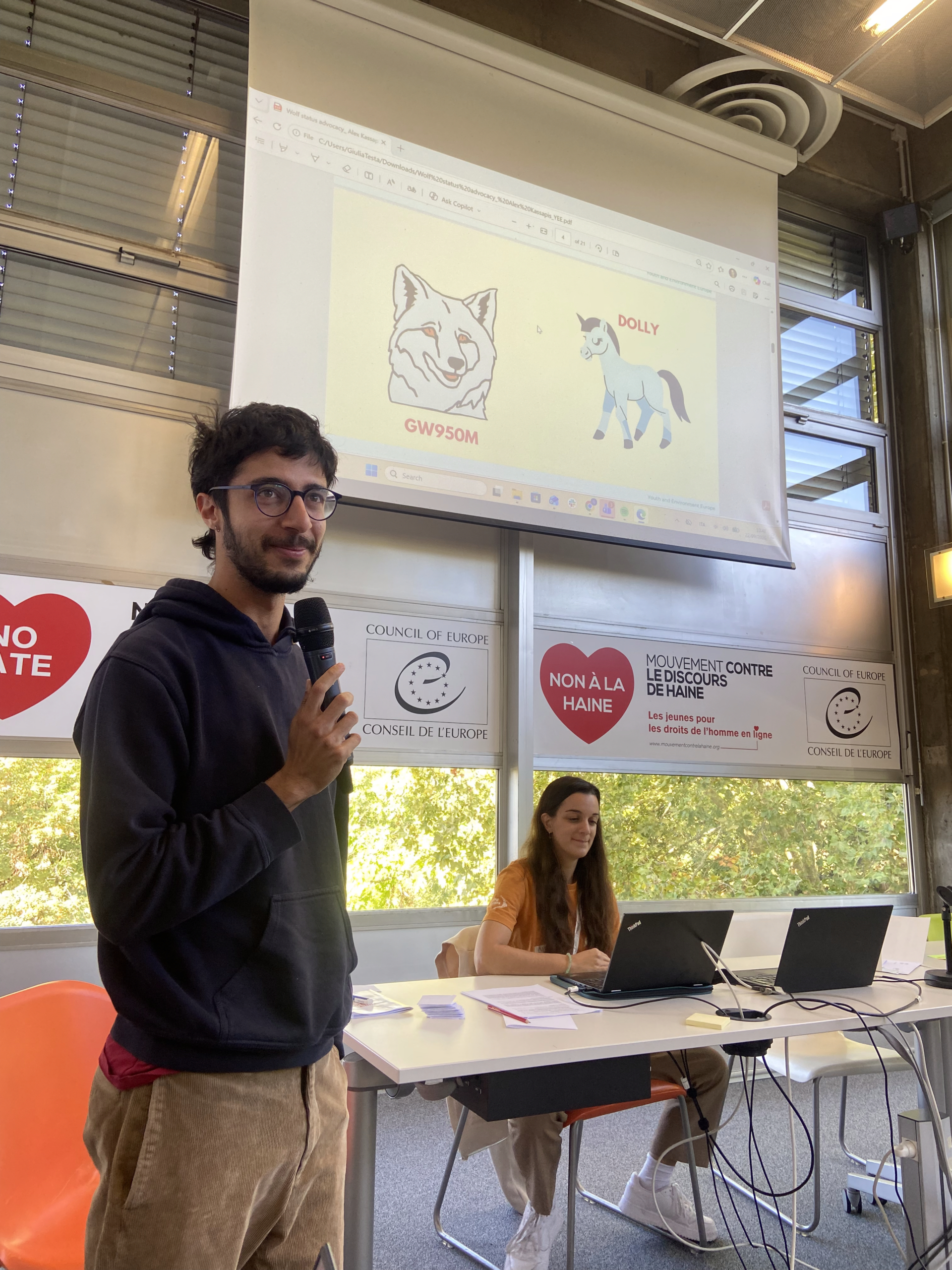
Nature Protection and Biodiversity as Enablers of Rights, Participation and Well-Being Written by Olivia Robertson Volunteer at YEE – Biodiversity Contents Share
The conclusion of the 16th meeting of the Conference of Parties to the Convention on Biological Diversity (CBD COP16) marks a pivotal
Despite the law’s importance in combating deforestation, the European Union recently announced a 12-month delay.
While nighttime activities are popular with humans for a few nights a year, some creatures keep it creepy all year round.
With the next conference of the parties to the convention on biological diversity (COP 16) right around the corner, let’s look back
COP16 Results Explored:
https://yeenet.eu/wp-content/uploads/2024/11/cop16.png 540 540 YEE https://yeenet.eu/wp-content/uploads/2018/11/logo-yee-728x1030.png YEE2024-11-28 14:41:342025-07-23 15:31:51COP16 Results Explored:Our mission
 YEE aims to unite environmental youth non-profit organisations in Europe in order to enhance international cooperation, increase knowledge about the climate crisis, raise awareness of environmental problems and to strengthen participation of youth in environmental decision-making.
Get in touch
Vinohradská 2165/48
120 00 Praha 2 – Vinohrady
Czech Republic
E-mail: yee@yeenet.eu

Financially supported by the European Youth Foundation of the Council of Europe. The views expressed do not necessarily reflect the official position of the Council of Europe.
