How the next EU budget must deliver for biodiversity | Joint Statement

Put biodiversity on a path to recovery beyond the next funding period to build a safer, healthier future for people and nature.

Investing in biodiversity protection is not just about preserving nature; it’s an investment in our future and economy. The EU has been funding nature conservation since the early 1980s, and in 1992, it launched its flagship funding program, LIFE.

Over the past 30 years, the LIFE program has co-financed numerous environmental and climate-related projects, improving the conservation status of 435 species and reducing greenhouse gas emissions. These projects have also contributed to public education, the expansion of the Natura 2000 network, and improved environmental governance.

The European Commission found that the LIFE program generated a tenfold return on the €3.46 billion invested from 2014 to 2020. In conclusion, investing in nature enhances social and economic prosperity for both current and future generations.

The coming months represent a key opportunity to address financing for biodiversity conservation and restoration measures across the European Union (EU). By 1 July 2025, the European Commission will release its proposal for the next Multiannual Financial Framework (MFF), officially kickstarting the period of negotiations between Member States and the European Parliament.

Effective and well-targeted financing is crucial for achieving EU biodiversity objectives, but significant funding gaps represent a serious impediment to successfully addressing biodiversity loss. The current financing needs from 2021 to 2030 were estimated at EUR 20 billion a year and changed to EUR 48.15 billion per year based on more recent calculations.

With the recent adoption of the Nature Restoration Law, it is crucial to support Member States in effectively implementing and enforcing its provisions. However, stricter financial regulations and efforts to reduce public debt raise the potential for intense debates regarding the allocation of resources within the EU, particularly concerning expenditures related to biodiversity.

Though focused on the post-2027 MFF, this paper also takes a broader perspective on biodiversity financing and considers the longer-term need to re-evaluate current approaches. The proposals are therefore designed to put biodiversity on a path to recovery beyond the next funding period to build a safer, healthier future for people and nature.

Help us spread the word! Share this statement

Learn more about our work on biodiversity

Nature Protection and Biodiversity as Enablers of Rights, Participation and Well-Being Written by Olivia Robertson Volunteer at YEE – Biodiversity Contents Share

Read More

National Restoration Plans (NRPs) are a cornerstone of the Nature Restoration Law (NRL), outlining how Member States (MS) will implement the regulation

Read More

As European youth, we hold all relevant decision-makers accountable for this grave backsliding in European conservation law. We call for the return
Read More

The conclusion of the 16th meeting of the Conference of Parties to the Convention on Biological Diversity (CBD COP16) marks a pivotal
Read More

Despite the law’s importance in combating deforestation, the European Union recently announced a 12-month delay.
Read More

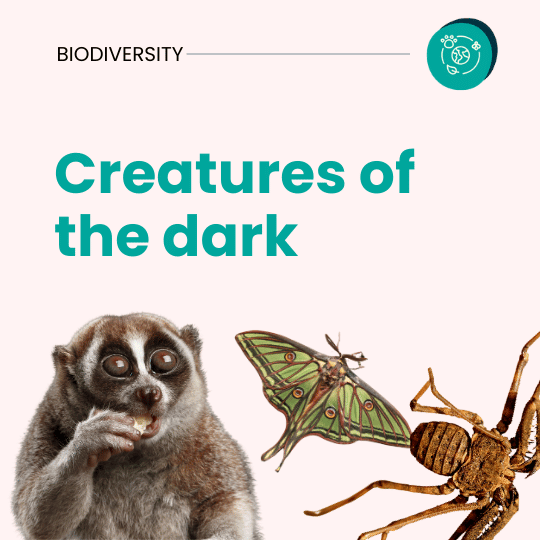
While nighttime activities are popular with humans for a few nights a year, some creatures keep it creepy all year round.

Read More
, ,

How the next EU budget must deliver for biodiversity | Joint Statement


Going to court, again!

Interview with Fridays For Future Estonia

Last year, young activists from Fridays For Futre won Estonia’s first ever climate court case, where the state energy company Enefit was ordered to halt the construction of a new shale oil facility. Despite this, Enefit has been issued another construction permit, and the Estonian youth are going to court again. With this second lawsuit, Estonian climate activists are sending a clear message to Estonia and Europe: fossil fuels must be left in the ground, and youth will fight with all possible means.

Written by

Share this article

In October last year, Estonia’s supreme court ordered the state energy company Enefit to halt the construction of a shale oil facility. This ruling was the result of a case brought forward by a group of young Estonian climate activists, who in 2020 decided to take the municipality of Narva-Jõesuu to court for issuing a construction permit for the shale oil facility. The group of young people argued that the construction permit was given without adequately assessing its climate impacts and the commitments made under the Paris Agreement, as well as the European Union’s objective to achieve climate neutrality by 2050.

The court ruled that the municipality had assessed the climate impact well enough but not the environmental impact, and revoked the permit. For the first time in Estonia, the Supreme Court stated that the mitigation of climate change is a constitutional obligation.

This is one amongst several recent climate cases in Europe, where especially young people are taking their states to court, for inefficient climate action. In this case, it was Fridays for Future Estonia who stood behind the claim, eventually winning the court case. We have had the chance to speak with some of the young activists behind this case, to learn more about how climate litigation works and why it can be such a powerful tool for climate advocacy:

Last year you won Estonia’s first ever climate court case! What motivated you to use the legal system for your climate action? 

We went to court because we ran out of other options and we were not willing to accept the government constructing a new fossil fuel plant amid the climate crisis. We had already presented public appeals, and organised peaceful weekly climate strikes, not to mention online advocacy. Suing the plant was our last option. As long as the rule of law holds, legal action is the only tactic that authorities and businesses can’t ignore.

How did you start the process? What do you need in order to file a climate court case?

First, it is essential to understand the stages of the oil plant’s completion, specifically the stage at which the operation of the plant can be impeded. The oil plant requires several permits, such as the construction permit and the integrated permit. Initially, we successfully contested the construction permit issued to the plant. This time, we are challenging the integrated permit which allows the plant to operate. Legal experts from the Estonian Environmental Law Center helped us find shortcomings in the permits and prepare arguments for both court cases. We submitted two complaints against the integrated permit: one as an environmental organisation under the name MTÜ Loodusvõlu, and another by a young activist in the movement, to protect her rights. Since this time the case also involved issues regarding human rights and children’s rights, we formed a team of multiple lawyers of various backgrounds to cover all necessary areas of legal expertise. The most crucial aspects of initiating a climate lawsuit are finding the right moment in the long chain of decisions to challenge legally, then finding lawyers who are willing to bring an innovative case, and securing funding to pay them.

This year you are filing new complaints to the court, why?

On May 27, 2024, the Environmental Board of Estonia issued an integrated permit to the aforementioned state-owned oil plant, allowing it to operate for the next 10 years. This is the same plant that we already successfully challenged in court once. By issuing the integrated permit, the Board rejected the arguments presented by us and other environmental organisations, urging them to refuse the permit. The plant will produce shale oil, a fossil fuel so polluting that it is not compliant with EU environmental regulations. That is why the oil is exported and used for fuelling long-distance ships, thereby contributing to the export of carbon emissions.

We based our complaints on the following arguments.

  1. Firstly, by granting the oil plant an integrated permit, the Environmental Board did not sufficiently consider the plant’s climate impact. The plant will increase Estonia’s current greenhouse gas emissions by about 6% and will take approximately 20% of Estonia`s carbon budget, which, in turn, makes it harder to reach our climate goals. Additionally, the measures to mitigate the climate impact are inadequate and largely based on underdeveloped technologies, such as carbon capture.
  2. Secondly, by granting the complex permit, the harmful effects of the oil shale mining required for the plant’s operation on the natural environment were not taken into account. Groundwater layers and wetlands, including Natura 2000 areas, which are already degraded due to mining, would be damaged.
  3. Thirdly, there is no overriding public interest in operating the oil plant. It does not create a significant number of jobs, is not highly profitable, and does not ensure our energy security to the extent that we should collectively endure the environmental damage it causes. 
  4. Fourthly, the oil plant exacerbates climate change, which has dangerous consequences for people’s health, including children’s. For many people suffering from chronic diseases, the impacts of climate change are more serious than usual. For example, heatwaves, which have already become more frequent due to climate change, hinder adequate sleep and increase the likelihood of dangerous epileptic seizures.

What is your goal with the new court case?

We hope to revoke the integrated permit for the plant to stop the shale oil plant once and for all. This way we can push Estonia towards a climate-neutral economy and industry. We are trying to show to all fossil fuel enterprises that hope to burn the last of Estonia’s oil shale for rapid profit, that it is not going to be easy for them.

What would be your advice to a group of young people wanting to start something similar? What is the first thing to start with? 

The first piece of advice would be to not be afraid. Turning to court, especially against a powerful actor like a large corporation or even the government can feel very intimidating. However, even the youngest and most vulnerable people have the right to a healthy environment, including a safe climate, that states and businesses must respect. The second piece of advice would be to build a team so that you are never quite alone. We have greatly benefitted from working together with legal experts, environmental NGOs, and volunteers, who have all helped us with different skills and support.

How can other young people or youth organisations support your new court case?

You can help us by sharing our messages––international pressure could be an impactful way of pressuring the government to stop the plant. Our main court battles lie still ahead. These may last for several years and are going to be costly. We would very much appreciate if you could donate to help us cover the costs of the case: https://fridaysforfuture.ee/en/what-can-you-do/#donate

More from environmental law

Youth perspectives on the EU deregulation agenda Written by Claire Leduc Volunteer at YEE – Environmental Law Contents Share this article   Can environmental protections be simplified without weakening environmental

Read More

We have had the opportunity to speak with Fridays for Future Estonia, about their decision to go to court, again! Last year, these young activists won Estonia’s first ever climate

Read More

Recommendations to the EU Commission on how to address the gaps in the exercise of Aarhus rights with regards to European youth.
Read More

Rivers – anywhere you are in Europe, there must be a river not far from you. Ancient Greeks would marvel at rivers like Gods. How have we now come to

Read More
How to sue a state - article

Many climate lawsuits are started by young people, including an ongoing climate lawsuit in Sweden led by a group called Aurora, led by over 600 youth and children, including Greta
Read More
, ,

Going to court, again!

Everything you need to know about air pollution in the EU


Written by

Contents

Share this article

What is air pollution?

First and foremost, it is important to distinguish between indoor air pollution and ambient air pollution, as the agents responsible for indoor and outdoor air pollution are not the same. The purpose of the reform voted April is related to ambient air.

Air pollution or poor air quality is referred to when the concentration of certain harmful substances is too high.

The WHO defines a list of pollutants responsible for numerous harmful effects. The main pollutants on this list are:

Fine particules (PM)

These are a collection of particles that can be of different natures (sulphates, nitrates, ammonia, sodium chloride, black carbon, mineral dust) which are too fine to settle and therefore remain suspended in the air. They are labelled as PM and are classified according to their diameter. Thus, PM2.5 are particles that are 2.5 micrometres in diameter.

Carbon monoxide (CO)

A toxic, colourless, odourless gas produced by the incomplete combustion of carbon-based fuels such as wood, petrol, charcoal, natural gas, and kerosene.

Ozone (O3)

A gas that forms from other pollutants emitted by human activities as well as vegetation under the influence of solar activity. This is why ozone pollution is particularly noted in the summer during periods of intense heat.

Nitrogen dioxide (NO2)

NO₂ is a gas commonly released during the combustion of fuels in the transport and industrial sectors.

Sulphur dioxide (SO2)

SO₂ is a colourless gas with a pungent smell. It is produced from the combustion of fossil fuels (coal and oil) and the smelting of sulphur-containing ores.

The WHO therefore defines guidelines on the concentration thresholds not to be exceeded to avoid effects on health and biodiversity. The concentration levels are expressed in micrograms per cubic metre, noted as µg/m³.

Learn more about WHO recommendations.

Where do these pollutants come from? 

To put it simply, almost all human activities contribute to pollution (although some natural elements can also cause high levels of pollution, such as a volcanic eruption or a forest fire).

Most of these pollutants are the result of the combustion of fossil fuels (coal, oil, and gas) and are therefore mainly linked to industries, particularly construction due to the production of cement and steel, or the energy sector, which requires the burning of large quantities of fossil materials. Road and air transport are another significant source of air pollution, and finally, the agricultural sector is also to be blamed.

What are the consequences of air pollution? 

On human health

The invisible particles penetrate the cells and organs of our body: our lungs, heart, blood, and brain. This leads to diseases such as asthma, strokes, heart attacks, cancer, dementia, and in many cases, death.

The WHO considers air pollution to be the most important environmental threat to humans in the world. Nearly 7 million premature deaths are attributable to it annually. In Europe, this is nearly 300,000 each year.

The WHO considers air pollution to be the most significant environmental threat to humans worldwide. Nearly 7 million premature deaths are attributed to it annually. In Europe, it accounts for nearly 300,000 deaths each year.

Economic impacts

Pollution hampers productivity by affecting workers, which severely impacts overall economic activity. According to the World Bank, the loss of global GDP attributable to air pollution is estimated at 6.1%. 

Additionally, the numerous diseases caused by this pollution are costly to taxpayers through healthcare systems. Air pollutants also affect agricultural yields, as indicated by the European Environment Agency, which estimates that some agricultural states have lost up to 5% of their wheat production, costing 1 billion euros.

On biodiversity

Certainly, these pollutants significantly affect ecosystems and vegetation, notably through a process called “eutrophication,” which involves the rapid growth of algae and aquatic plants, facilitated by concentrations of nitrogen oxides and ammonia in the air. When these plants decompose, they reduce oxygen levels, harming fish and other aquatic organisms. This phenomenon also leads to freshwater acidification and affects forest soils.

Key numbers to evaluate air pollution  


Good

Fair

moderate

poor

Very poor

Extremely poor

(PM2.5)

<10µg/m3

<20µg/m3

<25µg/m3

<50µg/m3

<75µg/m3

+80µg/m3

(PM10)

<20µg/m3

<40

<50

<100

<150

+160

(NO2)

<40µg/m3

<90

<120

<230

<340

+350

(O3)

<50µg/m3

<100

<130

<240

<380

+390

(SO2)

<100µg/m3

<200

<350

<500

<750

+760

Source : European Environmental Agency

The political context

Today, two main legal texts at the European Union level regulate air quality standards:

  1. Directive 2008/50/EC sets the objectives for ambient air quality to prevent or reduce the effects of air pollution on human health and the environment as a whole. It defines measures for the assessment of ambient air quality in all Member States as well as the conditions for obtaining information on ambient air quality. The Directive aims at increasing cooperation between the Member States in reducing air pollution.
  2. Directive 2004/107/EC is more of a technical. It sets mandatory levels of fine particles, arsenic, cadmium, mercury, nickel and polycyclic aromatic hydrocarbons in ambient air and defines methods and criteria for the assessment of concentrations of these substances in the ambient air.

In 2022, the European Commission introduced a proposal to reform this legislative package.

The main elements of this reform are:

Yet a few issues remain with the current version of the draft. For starters, the new air quality standards remain above the pollution levels recommended by the WHO:

While the current draft of the directive lowers the values for fine particles (PM2,5) from 25 to 10 µg/m3 and for Nitrogen Dioxide (NO2) from 40 to 20 µg/m3. The most recent World Health Organisation (WHO) recommendations advise not to exceed 5 μg/m3 for PM2,5 and 10 μg/m3 for NO2.
If the current draft also includes a review clause, the review of the alignment of EU’s air quality standards with WHO will not be done before 2030

Secondly, the implementation deadline is too long. The main deadline for the implementation of the new standard is the 31st of January 2029, but the current draft includes a postponement clause allowing under certain conditions to extend the deadline till 2040

To find out more detailed information see the European Council’s press release.

More articles about air quality

Air pollution is a significant environmental challenge facing the European Union (EU). It is crucial to understand the various aspects and implications

Read More
, ,

Everything you need to know about air pollution in the EU
Ending Bottom Trawling: A Call for Real Protection of the Marine Environment

Youth and Environment Europe and Global Youth Biodiversity Network (GYBN) Europe Advocate for a Complete Ban on Bottom Trawling in Marine Protected Areas

What is bottom trawling and why is it problematic

Bottom trawling is one of the most destructive fishing methods used worldwide, with as much as 40% of sea life being removed during a single trawling pass. The large weighted nets being dragged across the ocean floor are responsible for vast amounts of by-catch, discards and collapse of fish stocks.

Despite the restriction of human activities to conserve their rich biodiversity, Marine Protected Areas (MPAs) suffer greatly from the effects of bottom trawling. Even with its devastating and irreversible consequences, bottom trawling is still allowed in 90 percent of all offshore EU MPAs. 

The impact of bottom trawling on marine ecosystems

Bottom trawling is responsible for reducing the complexity, productivity, and biodiversity of seafloor habitats, with sponges and corals facing the highest impacts. Unfortunately, most affected ecosystems are unable to recover from the damage they endure. For the few that do manage to recover, the estimated recovery time is estimated to be between 7.5 and 15 years.

The impact of bottom trawling on climate change

Bottom trawling not only causes significant harm to marine life, but according to a recent study, it also contributes up to 370 million metric tons of carbon dioxide to the atmosphere annually. The same study discovered that within an average of years, between 55 and 60 percent of emissions from underwater bottom trawling are released into the atmosphere, while the remaining CO2 can lead to more acidic conditions in the areas where it has been released, thus clearly contributing to the greenhouse effect and global warming of our planet.

The EU’s position on bottom trawling

Currently, there only exists an EU-wide ban on bottom trawling at depths greater than 800 metres, however the EU aims to extend a bottom trawling ban to all its MPAs by 2030, urging its Member States to draw up national roadmaps towards a bottom trawling plan as part of the 2023 Marine Action Plan (find our article about the EU’s Marine Action Plan here).

At the moment, Greece and Sweden are the only EU Member States to have announced a ban on bottom trawling in all their national marine parks and protected areas, with Sweden extending the ban to all its territorial waters (up to 12 nautical miles from the shore). This marks a significant step forward for these countries in the protection of marine biodiversity.

In contrast, the majority of EU countries have missed this year’s March deadline to outline national roadmaps for phasing out bottom trawling. The EU’s national governments need to demonstrate greater ambition for marine protection and commit to the Marine Action Plan and the EU Biodiversity Strategy 2030. 

Protecting 30% of its marine areas by 2030 is incompatible with the highly damaging practice of bottom trawling, therefore the European Commission must take further action to ensure compliance with the existing legislation in countries that still permit bottom trawling inside the MPAs of their territorial waters.

YEE and GYBN calls for a ban of bottom trawling in Marine Protected Areas

As representatives of young people committed to environmental protection, Youth and Environment Europe and Global Youth Biodiversity Network Europe strongly advocate for the conservation of marine ecosystems and the promotion of sustainable fishing practices. Our position on the issue of bottom trawling comprises the following:

  • YEE and GBYN Europe firmly oppose bottom trawling in Marine Protected Areas. This fishing method is highly destructive to seafloor ecosystems, causing irreversible damage to habitats such as coral reefs and seagrass beds. To achieve the 30×30 goal of protecting 30% of European waters by 2030, MPAs must offer genuine protection, which is incompatible with the destructive nature of bottom trawling. The practice of bottom trawling also needs to be reviewed in cases where it takes place close to MPA boundaries, in sensitive habitats such as spawning grounds, and in coastal waters. 
  • We show our strong support for ongoing initiatives by NGOs and civil society groups that advocate against bottom trawling. Notable examples include the joint campaign led by Oceana, Seas at Risk, Sciaena, and the Irish Wildlife Trust, as well as awareness raising and lobbying by WWF, Blue Ventures, the Blue Marine Foundation, Client Earth, and others. These organisations play a crucial role in raising awareness and driving policy changes.

Bottom trawling is a destructive practice that poses a significant threat to marine ecosystems and biodiversity.

As YEE and GYBN Europe, we urge EU Member States to prioritise ocean conservation and take decisive action. We firmly believe that young people, as the voice of the future, hold the power to enact the change they envision. With the recent EU elections, it is crucial for youth to push the newly elected MEPs to take action towards the protection of our oceans. Advocacy for stronger regulations, such as those in the Marine Action Plan, is essential to safeguard marine ecosystems. Join advocacy campaigns, engage with environmental organisations and use your voice to demand the preservation of our seas.

Help us spread the word! Share this statement

Learn more about marine conservation

This session was supposed to be the “end of the beginning,” when the world would step out with the first-ever global plastic
Read More

Bottom trawling involves dragging a weighted net or a rigid frame along the ocean floor. Despite its economic advantages, bottom trawling is

Read More

Youth and Environment Europe and Global Youth Biodiversity Network (GYBN) Europe Advocate for a Complete Ban on Bottom Trawling in Marine Protected

Read More

YEE Calls for Ambitious National Roadmaps for EU Marine Action Plan Implementation, including a ban on bottom trawling in MPAs

Read More
, ,

Ending Bottom Trawling: A Call for Real Protection of the Marine Environment

Time to Act! – What can we do to support insect conservation

Let’s talk bugs!

Written by

Contents

By doing this we can, see how the species evolves in the basements, by looking for new unmarked insects and then learn to create the best habitat and find the best way to live together with the Blaps mucronata!
JNM – Jeugdbond voor Natuur en Milieustudie
Jef Hendrix & Ewout De Vos

Share this article

In our last article, we explored the numerous challenges insects face. Fortunately, there are many ways to support their survival. As our series on the world of insects concludes, we turn our focus to the solutions and actions that can help protect these vital creatures.

Let’s first delve into how two of our member organisations – UK Youth 4 Nature (UKY4N) and Jeugdbond voor Natuur en Milieu (JNM) – are actively contributing to insect conservation before giving you some practical steps to follow to take action!

UKY4N: Raising Awareness Through Creative Campaigns. 

UKY4N empowers young people in nature decision-making in the UK. In 2022, to celebrate the 60th anniversary of Rachel Carson’s iconic book, “Silent Spring”,  they organised a youth insect photography competition, which showcased stunning images of UK insects. The winning photos were displayed at an exhibition at Oxford’s Museum of Natural History. 

In their Natural Kingdom: Wild Walls campaign, they included insects in murals across UK cities and towns, highlighting local wildlife in decline. A notable mural featured the beautiful tiger beetle in Liverpool. They also create digital art for social media, organise bee walks and hold online workshops.

As part of the “Not so Freshwater” campaign they even hosted a chemical cocktail bar event in London, highlighting the impact of chemical pollution on insects with youth artwork of a mayfly. 

What’s Next?

UKY4N plans to continue their successful initiatives, including the “Your Wild Streets” campaign  that will  advocate for pesticide-free urban areas in the UK to help pollinators thrive! 

JNM: Research and Human-Insect Cohabitation

JNM, based in Belgium, focuses on conservation through hands-on projects. A notable example is their work with the Cellar Beetle (Blaps mucronata), a rare species that was first found in their main secretariat building’s basement in 2006 but then thought extinct after the building was renovated in 2016, disturbing the beetle’s habitat. However, five years later, a fresh dead specimen was found, and after an extensive search, 15 living specimens were discovered.

What makes this beetle so special?

20 to 25 mm in size with pitch-black, with smooth shields and long legs, they require old, not-too-clean cellars with high humidity, stable temperatures, and lots of hiding places. They are now quite rare in Belgium, making JNM’s discovery even more significant. Originally, the Cellar Beetle was found mainly in southern Europe, living in caves and later adapting to human-made cellars. 

Inside JNM, a dilemma arose because the beetles were found in the same basement where tents and camp materials were stored, which need to be kept dry. To address this, JNM initiated a survey where beetles were caught, marked, and released back into a more humid basement to better suit their needs. 

Taking action: How can YOU help

In your garden: 

  • Maintain insect habitats: Plant native flowering plants and leave some areas of your garden wild to provide shelter and food for insects. Did you know that branches left on the ground and dead wood are extremely useful and provide micro-habitats for the fauna? 
  • Create water sources: Provide small, shallow water sources like bird baths or shallow dishes with stones for insects to drink from, especially during hot and dry periods.
  • Reduce pesticide use: Minimise or eliminate the use of pesticides in your garden to create a safer environment for pollinators and other beneficial insects.

With your community: 

  • Support conservation efforts: Get involved with local conservation groups and participate in initiatives like habitat restoration.
  • Participate in insect monitoring: Join insect monitoring programs to help scientists track insect populations and health. Your observations can contribute valuable data for conservation efforts
  • Advocate for pesticide-free Zones: Work with your local community to create pesticide-free zones in public spaces, such as parks and gardens, to protect pollinators.
  • Educate others: Share your knowledge about the importance of insects with friends, family, and the community. Host workshops, give talks, or use social media to spread awareness.

By highlighting these inspiring examples and offering practical steps, we hope to empower you to take action and make a difference in insect conservation. You can help ensure a future where insects continue to thrive and play their crucial roles in ecosystems!

More articles about biodiversity

Nature Protection and Biodiversity as Enablers of Rights, Participation and Well-Being Written by Olivia Robertson Volunteer at YEE – Biodiversity Contents Share

Read More

The conclusion of the 16th meeting of the Conference of Parties to the Convention on Biological Diversity (CBD COP16) marks a pivotal

Read More

Despite the law’s importance in combating deforestation, the European Union recently announced a 12-month delay.

Read More

While nighttime activities are popular with humans for a few nights a year, some creatures keep it creepy all year round.
Read More

With the next conference of the parties to the convention on biological diversity (COP 16) right around the corner, let’s look back

Read More
, ,

Time to Act! – What can we do to support insect conservation

Hovering on the edge

Let’s talk bugs!

Written by

Contents

Eupeodes corollae

Share this article

Our last article on the history of human insect coevolution already indicated that insects face many challenges. This week the journey continues and we will dive deeper into the challenges faced by insects. We will do this from the perspective of the humble jet, very important hoverfly.

What even is a hoverfly and why are they so important?

Here already we encounter our first challenge. Many arthropod groups are not well understood or equally loved as other arthropod groups by the average European. One such group are hoverflies.

The unknown pollinators

Hoverflies are close relatives of common house flies but unlike house flies are important pollinators instead of decomposers. That’s right, bees and butterflies have another important coworker. Due to the shape of their mouthparts, hoverflies prefer to visit flat instead of cone-shaped flowers. Even though they have important ecological roles, they are unfortunately often forgotten when insects are discussed.

The impact of agricultural intensification

The second challenge faced by hoverflies, as well as many other insects, is agricultural intensification. It is not just the growing of monoculture crops that threatens many hoverfly species, but excessive pesticide use has significant negative effects both on farmland and outside.

Ever heard of a pesticide drift?

This is when, oftentimes invisible, clouds of pesticide travel through the air and into surrounding areas. Because of this, even insects that are kilometres away in a protected area can experience negative consequences of pesticide use. 

The impact of urban development

We as humans like to modify our environment to suit our needs. In doing so we often change very important habitat characteristics that are very important for other organisms.

One of these habitat modifications impacting hoverflies is obstructing and controlling the flow of natural waterways. Certain hoverfly species depend on the consistent flow of clean water for the proper development of their larva. This is of particular concern for wetland hoverflies.

When development does not consider the ecological impacts we risk losing valuable habitat characteristics for hoverflies and other insects. Once an ecosystem is lost it can be hard to get it back. 

The impact of urban development

We as humans like to modify our environment to suit our needs. In doing so we often change very important habitat characteristics that are very important for other organisms.

One of these habitat modifications impacting hoverflies is obstructing and controlling the flow of natural waterways. Certain hoverfly species depend on the consistent flow of clean water for the proper development of their larva. This is of particular concern for wetland hoverflies.

Urban and industrial development can destroy hoverfly habitat like flower rich meadows, but it can also create opportunities. Promoting flower rich roadsides and changing mowing regimes in urban environments can create additional habitat for hoverflies closer to home.

When development does not consider the ecological impacts we risk losing valuable habitat characteristics for hoverflies and other insects. Once an ecosystem is lost it can be hard to get it back. 

Prioritising Habitat Conservation for Arthropod Species Protection

The final challenge we will look into might seem obvious but is not always considered. There are currently 340 hoverfly species considered threatened and many more arthropod species. So it is simply not possible to put species specific conservation measures in place.

Thankfully, on the EU level hoverflies have received attention. But the same can not be said for other arthropod groups. The most effective way to address this challenge is to focus on conserving suitable habitats (not just those under the habitats directive) and enacting policies that take a holistic approach to problem solving. In this regard the EU farm to fork strategy and Nature Restoration Law are crucial.

You as an individual can also contribute by providing hiding places for these insects (dead wood is much appreciated), planting native flowering plants and using less pesticides in your garden.

More articles about biodiversity

Nature Protection and Biodiversity as Enablers of Rights, Participation and Well-Being Written by Olivia Robertson Volunteer at YEE – Biodiversity Contents Share

Read More

The conclusion of the 16th meeting of the Conference of Parties to the Convention on Biological Diversity (CBD COP16) marks a pivotal

Read More

Despite the law’s importance in combating deforestation, the European Union recently announced a 12-month delay.

Read More

While nighttime activities are popular with humans for a few nights a year, some creatures keep it creepy all year round.

Read More

With the next conference of the parties to the convention on biological diversity (COP 16) right around the corner, let’s look back

Read More
,

Hovering on the edge

A Coevolution Tale: Humans, Plants, and Insects

Let’s talk bugs!

Written by

Contents

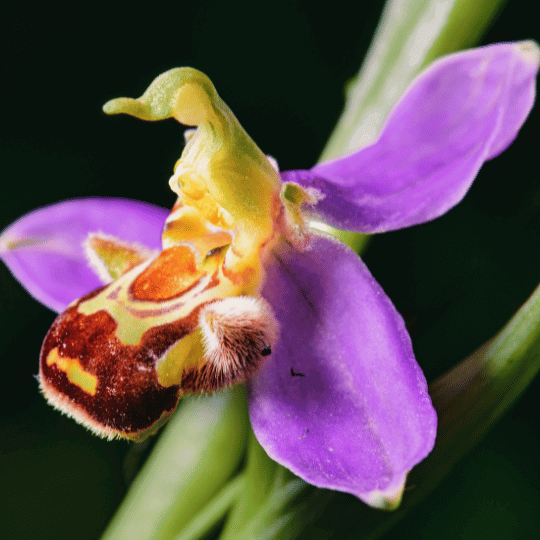
Ophrys apifera
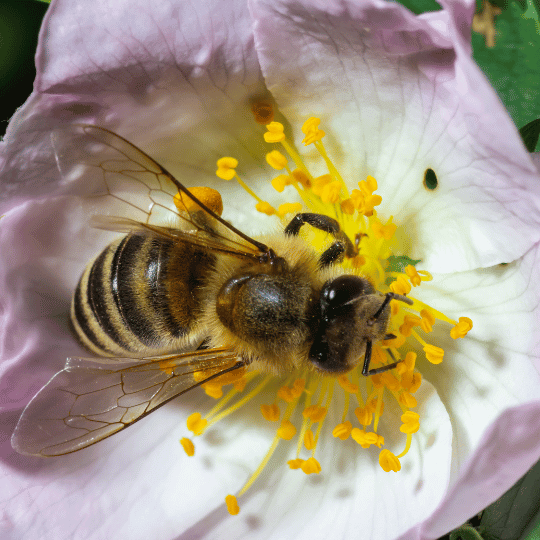
Apis mellifera on a flower
Ostrinia nubilalis

Share this article

Have you ever wondered how the intricate relationship between insects, plants, and humans came to be? Let’s travel through time to uncover the fascinating coevolution of these vital partners that had a major role in shaping our modern world.

In the Beginning: Insects and Plants

The earliest insects emerged around 400 million years ago, long before humans. As plants began to colonise land, insects evolved to exploit the resources that plants provided. 

Did you know pollinating insects are far more diverse than bees? They include species of flies, beetles, moths, butterflies, wasps as well as ants. Those pollinators coevolved with flowering plants, called angiosperms, that appeared around 170 million years ago. In exchange for pollinating services, those plants reward insects with food such as nectar. Pollen itself is a source of nutrients as well for some species like wasps! This mutually beneficial relationship allowed angiosperms to diversify extensively. 

We owe the most famous example of this coevolution to Darwin. The scientist predicted that Angraecum sesquipedale, a Malagasy orchid with 30cm nectar spurs, must be pollinated by a hawk moth with an extremely long tongue (proboscis). Some plants like Ophrys apifera even mimic the appearance and scent of female bees to attract male pollinators, thus exploiting this relationship.

The Agricultural Revolution: Insects and Humans

As humans transitioned from hunter-gatherer societies to agricultural ones around 10,000 years ago, the role of insects became even more crucial. Early farmers harnessed the power of pollinators and pest controllers. The domestication of honeybees such as the European honeybee (Apis mellifera), for honey and crop pollination is one of the most significant examples of the use of insects for agricultural purposes. 

However, not all interactions were beneficial. The European corn borer (Ostrinia nubilalis), became notorious for its ability to devastate corn crops. This led to the development of early pest control methods, illustrating the complex and sometimes adversarial relationship between humans and insects.

The Industrial Age : Insect Decline

The industrial revolution led to significant changes in agriculture in order to increase productivity: mechanisation, modernisation, monoculture and increased pesticide use. They all heavily altered the dynamics between humans, plants, and insects. In the mid-20th century, following World War Two, the widespread use of DDT* caused severe declines in pollinator populations. This broad spectrum pesticide kills pests and other insects such as bees without distinction and is responsible for long term toxicity.

This example among many led to a reevaluation of pest management practices and interdiction of particularly dangerous molecules. Therefore, DDT was banned from agricultural use worldwide in 2001. 

*DDT : Dichlorodiphenyltrichloroethane

Contemporary times and Beyond: Insect Conservation 

In contemporary times, the situation has grown even more complex. Human induced threats such as habitat loss, climate change, and spreading of invasive species threaten insect populations, as well as human health. Showing a renewed appreciation for insects’ roles in our ecosystems and everyday life, conservation efforts are made to restore and protect their habitats and diversity. In Europe, initiatives such as the EU Pollinators Initiative aimed to address these challenges by promoting sustainable agricultural practices, conservation strategies, and supporting research on pollinator health. Numerous environmental organisations are advocating for reduced pesticide use and increased biodiversity in agricultural landscapes to support insect populations.

As we look to the future, the coevolution of humans, plants, and insects will undoubtedly continue to shape our world. Understanding and preserving these relationships is crucial for maintaining biodiversity and ensuring food security!

More articles about biodiversity

Nature Protection and Biodiversity as Enablers of Rights, Participation and Well-Being Written by Olivia Robertson Volunteer at YEE – Biodiversity Contents Share

Read More

The conclusion of the 16th meeting of the Conference of Parties to the Convention on Biological Diversity (CBD COP16) marks a pivotal

Read More

Despite the law’s importance in combating deforestation, the European Union recently announced a 12-month delay.

Read More

While nighttime activities are popular with humans for a few nights a year, some creatures keep it creepy all year round.

Read More

With the next conference of the parties to the convention on biological diversity (COP 16) right around the corner, let’s look back

Read More
,

A Coevolution Tale: Humans, Plants, and Insects

Youth Participation in National Energy and Climate Plans

Recommendations to the EU Commission on how to address the gaps in the exercise of Aarhus rights with regards to European youth.

Recommendations to the EU Commission

YEE drafted these recommendations to the EU Commission on how to address the gaps in the exercise of Aarhus rights with regards to European youth. More specifically, the recommendations focus on the absence of youth participation in NECPs processes and its concerning implications, calling the Commission to call Member States to fill this gap as soon as possible and with adequate measures.

These recommendations are complemented by YEE’s country-specific reports on youth participation in the NECP processes in Bulgaria, Cyprus, Greece and Italy.

What is included in the position statement

The Commission should monitor the effective exercise of these rights among Member States, particularly amidst the observed shrinking of civic space, especially among young people and youth organisations. It is imperative to safeguard democratic participation rights among the youth population for more ambitious and effective climate action.

The poor exercise of Aarhus rights among European youth is evident in their non-participation in MCED and consultation processes concerning NECPs revision. Member States’ and EU’s failure to involve younger generations and their representative organisations undermines the rights of those who will bear the consequences of NECPs outcomes well into the future.

“There is a need to provide opportunities to engage in these processes that are specifically designed in such a way that takes into account the needs, opportunities and resources that young people have to engage in the deliberation.”

Alexander Georgiev, PanGea Bulgaria Tweet

Help us spread the word! Share this statement

Learn about other campaigns that YEE supports

The Right to Healthy Environment

This position paper is directed at Council of Europe Member States and those working to empower young environmental human rights defenders. It

Read More
just transition

This position statement reacts to the outcomes of COP 30, specifically on the Just Transition Work Programme.

Read More
The Right to Healthy Environment

This position paper is directed at Council of Europe Member States and aimed at addressing protection gaps and eliminating the root causes

Read More
health

YEE calls for a stronger regulation to better protect the health of current and future generations, and address our main concerns and

Read More
Palestine

YEE Statement in light of Genocide in Palestine and other human rights violations

Read More
Bioeconomy

By Youth and Environment Europe and co-signed by Generation Climate Europe

Read More
Media

Today, we’re leaving X as an act of solidarity and a commitment to our values. This platform no longer aligns with our mission for transparency, equity, and sustainability.

Read More
Biodiversity

As European youth, we hold all relevant decision-makers accountable for this grave backsliding in European conservation law. We call for the return of scientific reason and intergenerational fairness on the decision-making table. We wish to see this decision not to be applied in EU law, and to be reversed as soon as possible.

Read More
, ,

Youth Participation in National Energy and Climate Plans
Hidden in plain sight

Let’s talk bugs!

Written by

Contents

Eresus sandaliatus
Photo credits: Ewout de Vos
Phyllodesma tremulifolium

Share this article

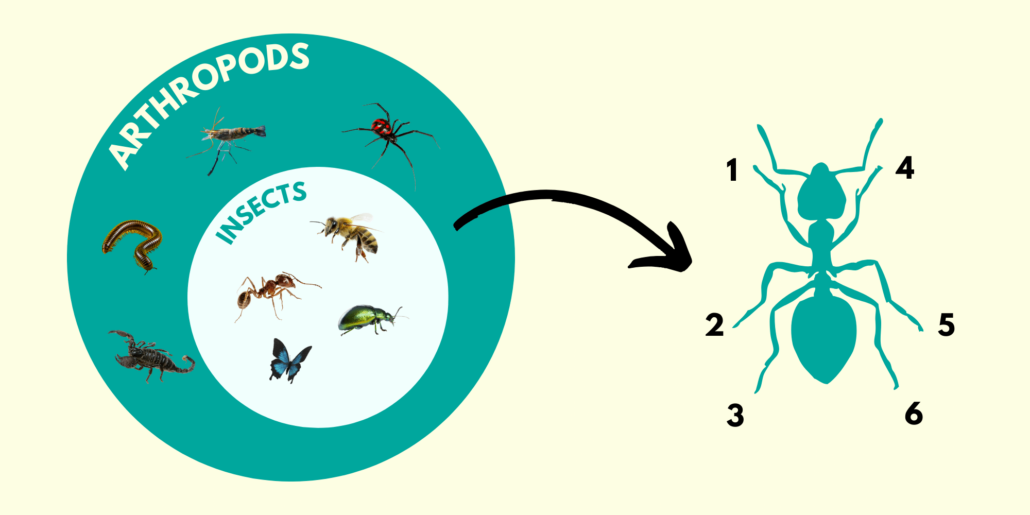
If it has 6 legs it’s an insect and if not it is something else.

With all the hustle and bustle going on in our lives, especially for those of us living in big cities, our time spent in nature is limited to short walks in nearby parks. Even when we do attempt to visit our national parks, some creatures often go overlooked. Many of these overlooked organisms belong to the phylum (group) of arthropods.

The reason why we use the word arthropod instead of insect is because all insects are arthropods but not all arthropods are insects.

Confused? Don’t worry, just look at the legs. If it has 6 legs it’s an insect and if not it is something else.

Examples of insects include: 
  • Bees 
  • Butterflies
  • Beetles 
  • Praying mantis
Examples of non insect arthropods are:
  • Shrimp
  • Spiders
  • Millipedes
  • And yes even ancient trilobites

Let’s look at some of these arthropods that are often hidden in plain sight

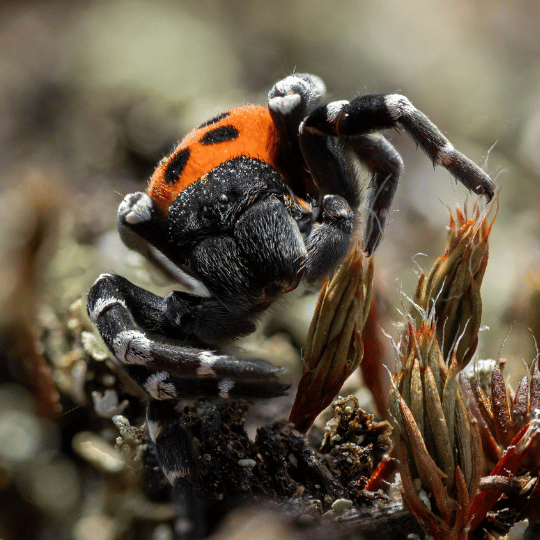
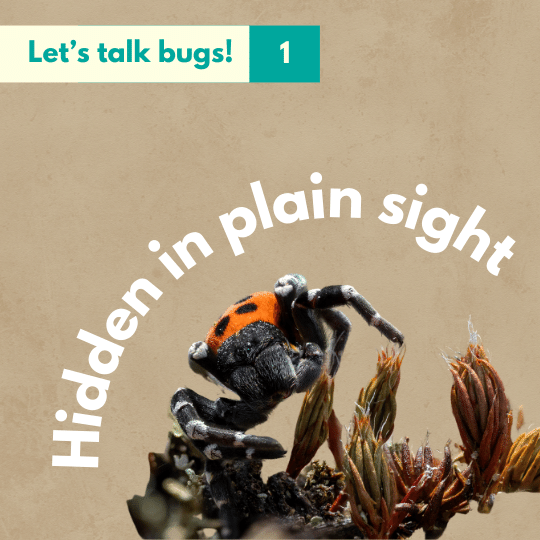
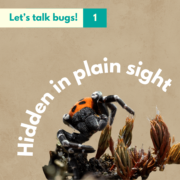
One of the more unexpectedly cute ones is the Lady bird spider (Eresus sandaliatus). As with many species in nature, it is the male that boats such vibrant colours. Though they look fuzzy and cute, try not to pick them up as a bite can cause some discomfort. Spiders, even those that look more menacing, play an important role in our ecosystems. These arthropods are mostly predators, as such they control the population of other arthropods lower in the food chain. We call this top down control. In doing so they prevent any one species from becoming too dominant in the ecosystem.

Moving on to some flying arthropods, we have wild bees. Most people are familiar with honey bees and their importance in European agriculture. But did you know that out in nature wild bees are more important than honey bees? Certain bees specialise only on certain groups of plants like yellow asteraceae. There are even bees that parasitise other wild bee nests like the Cuckoo bees from the genus Nomada.

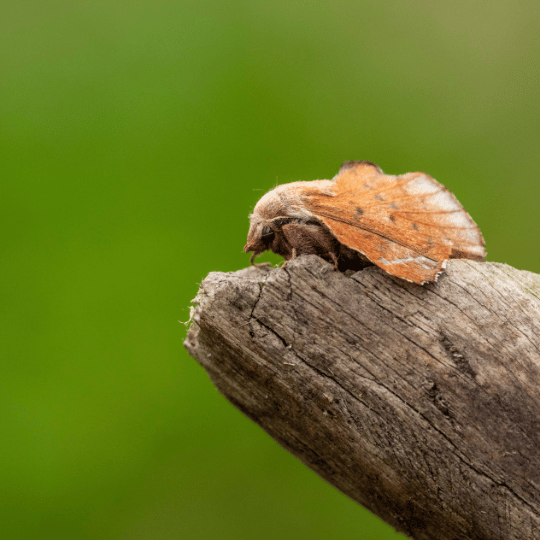
The final arthropod we want to highlight is the Aspen lappet (Phyllodesma tremulifolium). Unlike our first arthropod, the Lady bird spider, the Aspen lappet will definitely go overlooked during your next visit to your favourite Natura 2000 area thanks to its amazing camouflage. The ability to blend in with your surroundings has proven to be beneficial for both predators and pray alike. Praying mantises use it to ambush prey and moths and butterflies like the Aspen lappet use it to avoid becoming lunch. And have you ever wondered why moths are so fuzzy? Well, this is an adaptation that helps them avoid detection from predators and keep them warm so they can fly at night.

So next time you’re in nature don’t forget to keep an eye out for those cool arthropods hidden in plain sight!

More articles about biodiversity

Nature Protection and Biodiversity as Enablers of Rights, Participation and Well-Being Written by Olivia Robertson Volunteer at YEE – Biodiversity Contents Share

Read More

The conclusion of the 16th meeting of the Conference of Parties to the Convention on Biological Diversity (CBD COP16) marks a pivotal

Read More

Despite the law’s importance in combating deforestation, the European Union recently announced a 12-month delay.

Read More

While nighttime activities are popular with humans for a few nights a year, some creatures keep it creepy all year round.

Read More

With the next conference of the parties to the convention on biological diversity (COP 16) right around the corner, let’s look back

Read More
,

Hidden in plain sight

The impact of climate change on terrestrial & freshwater ecosystems

A Wake-Up Call from the European Environment Agency’s debut climate risk assessment

Written by

Contents

Share this article

What is the Climate Risk Assessment?

The Climate Risk Assessment (CRA) by the European Environment Agency (EEA) is a course assessment of the current risks posed by climate change for Europe, for different sectors. The report identifies and analyses 36 risks from the policy perspective and synthesises current scientific consensus on the topic.

The historic decline in habitat quality experienced by Europe’s ecosystems seems to be continuing. This negatively impacts many different species as well as people’s livelihoods. Climate change is already a major player behind these ecosystem changes. However, not all ecosystems are impacted in the same way, and some face other challenges that exacerbate the effects of climate change. Here follows a summary of the climate risk assessment for each of the main terrestrial ecosystems in Europe.

Forests

The CRA makes clear that climate change affects both the structure of forests and their functioning. This influence on forest functioning and structure is both through direct interactions with the forest system and through indirect interactions with other species or drivers of change that do play a direct role in forest systems. 

Examples of climate drivers acting on forest systems are temperature and moisture. However, habitat fragmentation caused by deforestation is the primary driver behind forest habitat quality degradation.

Furthermore, a lack of sustainable forestry practices like monocultures also made Europe’s forests more susceptible to pressures from climate change.

Some of these challenges are: drought-induced mortality, species range shift, increased incidence of wildfires and pest outbreaks. Fortunately, the forestry sector has adopted measures to create more climate-resilient forests. Nevertheless, it remains to be seen how impactful these measures are, given uncertainties surrounding forests’ responses to climate change.

Peatlands

The leading cause of peatland degradation is human development conflicting with the habitat requirements of peatlands. The effects of climate change are just exacerbating these already existing mechanisms affecting peatland water balance.

For example, climate-induced drought reinforces peatland drying that is already happening due to peatland drainage. Unfortunately 50% of peatlands in the EU are degraded (25% Europe-wide). This puts many species dependent on peatlands like the bog orchid (Hamarbya paludosa) at risk of going extinct. Very alarmingly, future projections predict that peatland will become a net carbon emitter under current rates of change. This limits their ability to help us mitigate climate change effects. Peatlands are currently a large carbon sink.

Freshwater systems

Freshwater systems are affected by different climate drivers compared to the previous ecosystems. But most importantly, temperature and precipitation contribute to the most change. The consequences of increasing temperatures include shifting thermoclines or more pronounced thermal gradients in water bodies.

Temperature-sensitive species are also at risk as water temperatures rise. Decreases in precipitation can potentially cause water bodies to dry up significantly, but increases in precipitation can lead to toxic algal blooms. The fact is that surface waters are already increasing at a rate of 0.21-0.45°C per decade. This rate of change is particularly high in northern climates. Widespread eutrophication is already a concern in many European countries.

Arctic and mountain ecosystems

The main drivers of change in arctic and mountain systems are rising temperatures and human use. Both systems are particularly susceptible to climate change as they experience faster warming than on average. Additionally, both systems have a long history of human use, from mining and reindeer herding in the Arctic to grazing in mountain grasslands. The current situation of these systems is one of contrasting extremes.

Both droughts and high water retention are becoming commonplace in the Arctic. This destabilises ecosystem function and the ecosystems provided. Mountains are getting less snowfall leading to glaciers receding and lower snowmelt feeding into rivers.

Unfortunately, these threats are projected to worsen with climate change, as the Arctic region warms faster than most places. Leading to the extinction of arctic species, disruption of livelihoods and disappearance of arctic and mountainous ecosystems.

Urban ecosystems

Though climate change puts more pressure on stressors affecting urban ecosystems like the heat island effect, drought and pollution, the impacts are less strong as urban species are more resilient and adaptable.

Nonetheless, increased urban stress still puts the system balance at risk. Conditions might become more favourable for invasive or alien species. Pests and diseases might also be favoured in these changing conditions. Many of these effects are already being felt across European cities, though it is highly context-dependent.

Future projections also show that on the one hand drought in some cities will become more extreme and in others, floods are to be expected. The rise in urban heat island effect in the future is particularly concerning for tree and shrub species already living at their temperature optimums.

Agro-ecosystems

Climate change-induced changes are fortunately not major drivers of change in agro-ecosystems. However, changes in agricultural practices are changing this ecosystem in unprecedented ways. What is certain, is that agro-ecosystems are facing many challenges. Many ecosystem services like pollination, pest control and water regulation are under threat and declining due to many different drivers.

One of the major changes in this system is the sharp decline in pollinators, a combination of agricultural intensification, climate change-induced phenological shifts and pesticide use are disrupting the intricate interactions between insects and plants. In the future climate change will surely become a major driver behind biodiversity loss in agroecosystems. Furthermore, climate impacts soil conditions, with more extreme droughts and soil erosion to be expected.

Conclusion

Not surprisingly, climate change is causing significant changes in terrestrial and aquatic ecosystems. Marine and coastal ecosystems are disproportionately affected by these changes and thus require urgent action. Policy-wise, long-term prioritisation and planning are required to facilitate adaptive management. So how do we move forward? Stronger policy at the EU level is required and in addition, states must work together to tackle our shared risks posed by climate change.

More articles about biodiversity

Nature Protection and Biodiversity as Enablers of Rights, Participation and Well-Being Written by Olivia Robertson Volunteer at YEE – Biodiversity Contents Share

Read More

The conclusion of the 16th meeting of the Conference of Parties to the Convention on Biological Diversity (CBD COP16) marks a pivotal

Read More

Despite the law’s importance in combating deforestation, the European Union recently announced a 12-month delay.

Read More

While nighttime activities are popular with humans for a few nights a year, some creatures keep it creepy all year round.

Read More
,

The impact of climate change on terrestrial & freshwater ecosystems